Setting up a wood fiber manufacturing plant in India represents a highly attractive investment proposition underpinned by robust and structurally growing demand from bio-based building insulation, fiber-based packaging substitution, wood-plastic and biocomposite reinforcement, and the circular use of sawmill and forestry residues. As construction codes tighten around energy efficiency and embodied carbon, and as brands seek recyclable, fiber-based alternatives to single-use plastic packaging, wood fiber supplied as loose fibers, pellets, mats, or rigid boards occupies an increasingly important position across construction, packaging, automotive and industrial composites, pulp and paper, and agriculture and horticulture applications. This growth trajectory, combined with abundant availability of softwood and hardwood chips, sawmill residues, and screened wood streams, creates a highly favourable manufacturing environment for new entrants with efficient fiberization, drying, and classification systems.
What is Wood Fiber?
Wood fiber refers to lignocellulosic fibers produced by mechanically, and sometimes thermo-mechanically, separating wood into fibrous form. It is supplied as loose fibers, pellets, mats, or rigid boards depending on the end-use application. Key properties include low density, high porosity, good thermal and acoustic insulation potential, and compatibility with binders and resins for engineered composites, allowing it to be tuned by particle size distribution and bulk density to meet the requirements of specific applications.
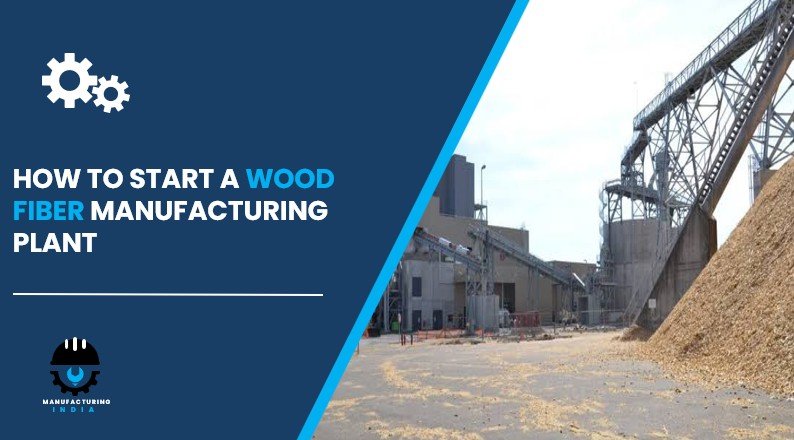
Wood fiber is commonly produced from softwood and hardwood chips, sawmill residues, and screened wood streams, making it a resource-efficient product built on circular use of forestry and milling by-products. Beyond insulation boards, batts, and blow-in insulation, wood fiber is used extensively in molded fiber packaging, as reinforcement or filler in wood-plastic composites and biocomposites, in specialty papers and engineered fiber blends, and as a carrier for mulch and soil-conditioning applications.
The global wood fiber market was valued at approximately USD 73.72 Billion in 2025 and is expected to reach USD 91.18 Billion by 2034, exhibiting a CAGR of 2.4% from 2026 to 2034, supported by growth in bio-based building insulation, fiber-based packaging substitution, and rising composite materials demand.
Cost of Setting Up a Wood Fiber Manufacturing Plant
The total capital investment required to establish a wood fiber manufacturing plant is shaped by several key parameters: annual production capacity (typically ranging from 50,000 to 150,000 MT per annum), the process route adopted (mechanical or thermo-mechanical fiberization, with or without integrated pressing and molding lines), the level of automation across debarking, fiberization, and drying sections, facility specification, raw material sourcing strategy, and applicable environmental and safety compliance requirements. Below is a structured breakdown of the major cost components.
1. Capital Expenditure (CapEx)
Total capital investment in a wood fiber manufacturing plant covers the following major heads:
Land and Site Development
This encompasses land acquisition or lease, site preparation, boundary development, and utilities connectivity. Site selection should prioritise proximity to wood chip and sawmill residue sources to ensure a steady, low-transport-cost supply of feedstock. Access to reliable power and water infrastructure for fiberization and drying processes, strong road and rail logistics for inbound wood residues and outbound finished fiber products, availability of process water of suitable quality, and a trained workforce for plant operations and quality control are critical site selection criteria. Compliance with industrial zoning regulations, fire and dust-explosion safety norms applicable to wood processing operations, and effluent and emission compliance frameworks must be assessed from project initiation.
Civil Works and Construction
Building costs cover the main processing facility including the wood chip reception and storage yard, debarking and chipping house, fiber refiner or defibrator section, drying and classification area, hot press or curing oven section, molded fiber and packaging line, quality control laboratory, administrative block, and utility infrastructure including boiler or thermal oil heating systems, power backup, dust and fire suppression systems, and effluent treatment plant. Construction must comply with applicable factory act requirements, fire and dust-explosion-proofing norms for wood processing areas, and environmental infrastructure guidelines.
Machinery and Equipment
Machinery represents the single largest CapEx component. Key equipment required for a wood fiber manufacturing plant includes:
- Feedstock Reception and Handling Systems: Wood chip intake hoppers, storage yards, conveying systems, and metal detection equipment to remove foreign matter prior to processing
- Debarking and Chipping Systems: Debarkers and chippers to reduce roundwood, sawmill residues, and screened wood streams into uniform chip sizes suitable for downstream fiberization
- Screening and Washing Systems: Screening equipment and washing units to remove bark fines, sand, and other contaminants from wood chips before fiberization
- Fiber Refiner or Defibrator: Mechanical or thermo-mechanical refining equipment that separates wood chips into fibrous form under controlled heat and pressure
- Drying Systems: Rotary or flash dryers to reduce moisture content of fiberized material to levels suitable for pressing, molding, or bagging
- Classification and Sieving Units: Equipment to grade fiber by particle size distribution and bulk density to meet the requirements of insulation, packaging, or composite applications
- Hot Press and Curing Ovens: Pressing and curing equipment for producing rigid insulation boards and engineered fiber panels using binders and resins
- Molded Fiber Lines: Forming, pressing, and drying lines for producing molded fiber packaging products from pulped or fiberized wood streams
- Automated Packaging Lines: Baling, bagging, and palletising equipment for loose fiber, pellets, mats, and boards, along with bulk loading facilities for dispatch
- Quality Control Laboratory Equipment: Equipment for particle size distribution, bulk density, moisture content, thermal and acoustic performance, and other analytical tests to verify compliance with product specifications
- Material Handling and Warehousing: Conveyors, bucket elevators, storage silos for chips and finished fiber, and finished goods warehousing with FIFO stock management
Other Capital Costs
These include pre-operative expenses, commissioning charges, import duties on specialised fiberization and pressing equipment, staff training and competency development, initial raw material and consumable inventory for production commissioning, regulatory compliance setup including environmental clearances, fire safety certification, and quality management system establishment costs.
Request a Sample Report for In-Depth Market Insights: https://www.imarcgroup.com/wood-fiber-manufacturing-plant-project-report/requestsample
2. Operational Expenditure (OpEx)
Raw materials, principally wood chips sourced from sawmill residues and screened wood streams, along with binders, resins, and other processing consumables, constitute the dominant operating cost, typically representing 60-70% of total OpEx. Utility costs, driven primarily by drying energy consumption, electricity for fiberization and pressing equipment, and water usage, account for 20-25% of OpEx. Labour, maintenance, quality control, packaging, transportation, depreciation, taxes, and overhead costs constitute the remainder of the operating cost base.
3. Plant Capacity
The proposed wood fiber manufacturing facility is designed with an annual production capacity ranging between 50,000-150,000 MT, enabling economies of scale while maintaining operational flexibility. This capacity range supports a diversified product portfolio of loose fiber, pellets, mats, and rigid boards, serving construction, packaging, automotive and industrial composites, pulp and paper, and agriculture and horticulture customers across domestic and export channels.
4. Profit Margins and Financial Projections
The project demonstrates healthy profitability potential under normal operating conditions. Financial projections encompass capital investment, operating costs, capacity utilisation ramp-up schedule, product mix across insulation, packaging, and composite applications, and forward demand outlook underpinned by rising bio-based construction material adoption. A comprehensive feasibility analysis includes sensitivity analysis, Net Present Value (NPV), Internal Rate of Return (IRR), and Payback Period calculations. Gross profit margins for wood fiber manufacturing typically range from 25-30%, supported by stable demand and value-added applications. Net profit margins of 12-18% are achievable with disciplined cost management, optimal capacity utilisation, and effective product mix management.
Why Set Up a Wood Fiber Manufacturing Plant?
Renewable-Material Substitution
Wood fiber enables replacement of fossil-based materials in insulation, packaging, and composites with bio-based alternatives. As brands and specifiers increasingly seek recyclable and low-carbon materials, wood fiber is transitioning from a niche specialty product toward a mainstream input across construction and packaging supply chains, supporting steady volume growth for producers.
Pull from Energy-Efficient Buildings
Demand for building envelope upgrades and stricter energy efficiency codes is supporting higher adoption of wood-fiber insulation formats, including rigid boards, flexible batts, and blow-in insulation, creating stable and growing offtake for fiber producers as construction activity shifts toward low-carbon and resource-efficient building materials.
Multi-Market Product Platform
The same core fiber production process can serve insulation, molded fiber packaging, and composite reinforcement applications, enabling manufacturers to diversify their customer base and balance demand risk across construction, packaging, and industrial end-use sectors without requiring separate production lines for each application.
Abundant and Circular Raw Material Availability
Wood fiber production relies on softwood and hardwood chips, sawmill residues, and screened wood streams, allowing processors to establish plants in proximity to forestry and sawmill clusters, minimising transportation costs while supporting circular use of wood processing by-products that would otherwise require disposal, a structural advantage relative to virgin raw material dependent manufacturing.
Expanding Molded Fiber Packaging Substitution
Expanding industrialisation of molded fiber packaging as a substitute for single-use plastics is strengthening long-term demand prospects for wood fiber producers, as food and consumer goods brands increasingly seek recyclable, fiber-based protective packaging formats to meet regulatory and sustainability targets.
Low-Carbon Construction Demand Tailwind
With construction responsible for approximately 40% of global carbon emissions, 20-50% of natural resource consumption, and 50% of total solid waste, there is strong pressure to adopt low-carbon and resource-efficient building materials, significantly driving demand for wood fiber insulation and fiber boards as sustainable alternatives that reduce embodied carbon and support circular construction practices.
Manufacturing Process Overview
The wood fiber manufacturing operation transforms wood chips, sawmill residues, and screened wood streams into loose fiber, pellets, mats, or rigid boards through a sequence of feedstock preparation, fiberization, drying, classification, forming, and packaging operations. The key process stages are:
- Feedstock Selection and Reception: Softwood and hardwood chips, sawmill residues, and screened wood streams are received, weighed, and inspected for quality and moisture content prior to processing.
- Debarking, Chipping, and Screening: Roundwood inputs, where used, are debarked and chipped to a uniform size, while incoming chips and residues are screened to remove oversized particles, bark fines, and foreign matter.
- Washing: Screened wood chips are washed to remove sand, dirt, and other contaminants that could affect fiber quality or damage downstream processing equipment.
- Fiberization or Defibration: Washed chips undergo mechanical or thermo-mechanical fiberization in a refiner or defibrator, separating the wood into fibrous form under controlled heat and pressure.
- Drying: Fiberized material is dried using rotary or flash dryers to reduce moisture content to levels suitable for pressing, molding, or bagging, with energy efficiency being a key operating cost consideration at this stage.
- Classification and Sieving: Dried fiber is classified and sieved by particle size distribution and bulk density to meet the specific requirements of insulation, molded packaging, or composite reinforcement applications.
- Pressing: Classified fiber intended for rigid boards or engineered panels is blended with binders and resins where required, then formed and pressed under heat in hot presses or curing ovens.
- Cutting: Pressed boards and mats are trimmed and cut to standard dimensions, while loose fiber and pellets are prepared for direct bagging.
- Quality Control: Finished products are tested for particle size distribution, bulk density, moisture content, and thermal and acoustic performance to verify compliance with product specifications before release for packaging.
- Packaging and Dispatch: Finished wood fiber products are baled, bagged, or palletised for retail and institutional sale, or dispatched in bulk to construction, packaging, and composite manufacturing customers.
Key Applications of Wood Fiber
The wood fiber market serves several major end-use segments across construction, packaging, industrial, and agricultural sectors:
- Construction: Used in rigid boards, flexible batts, and blow-in insulation for roofs, walls, and floors to improve thermal efficiency and acoustic comfort in energy-efficient buildings.
- Packaging: Used in molded fiber packaging for food and protective applications where brands seek recyclable, fiber-based alternatives to single-use plastics.
- Automotive and Industrial Composites: Added as reinforcement or filler in wood-plastic composites (WPC) and biocomposites for panels, profiles, and interior components.
- Pulp and Paper: Used in specialty fiber blends where bulk, formation, or performance targets benefit from engineered fiber characteristics.
- Agriculture and Horticulture: Used in select cases as mulch and soil-related inputs, leveraging biodegradability and moisture-handling behaviour.
Global Wood Fiber Market Outlook
The global wood fiber market was valued at approximately USD 73.72 Billion in 2025. According to IMARC Group estimates, the market is expected to reach USD 91.18 Billion by 2034, exhibiting a CAGR of 2.4% from 2026 to 2034. The wood fiber market benefits from multiple structural demand drivers:
- Rising demand for bio-based building insulation as construction codes tighten around energy efficiency and embodied carbon
- Expanding industrialisation of molded fiber packaging as a substitute for single-use plastics across food and consumer goods sectors
- Growing use of wood fiber as reinforcement and filler in wood-plastic composites and biocomposites for automotive and industrial applications
- Increasing focus on circular economy models and the utilisation of forestry and sawmill residues, enhancing supply-side sustainability
- Construction activity accounting for a significant share of global carbon emissions and resource consumption, strengthening the case for low-carbon, resource-efficient building materials
- Continued product innovation, including new molded fiber packaging formats and dry-process insulation boards, expanding the addressable application base for wood fiber
Major players in the global wood fiber industry include International Paper, West Fraser Timber Co. Ltd., Mondi Group, Smurfit Kappa Group, Sappi Limited, Nippon Paper Industries Co. Ltd., Stora Enso Oyj, and Canfor Corporation, serving end-use sectors including construction, packaging, automotive and industrial composites, pulp and paper, and agriculture and horticulture.
Latest Industry Developments
- December 2025: Metsä Spring broadened its Muoto Uncoated Wood Fibre Series by introducing two new punnet designs tailored for the fresh food segment, aimed at supporting compliance with the EU’s Packaging and Packaging Waste Regulation (PPWR) and facilitating the transition from single-use plastic packaging to fiber-based alternatives for fresh produce.
- November 2025: TimberHP started production of TimberBoard, the first dry-process wood fiber insulation board manufactured and commercially available in the United States, delivering structural strength and thermal efficiency comparable to rigid foam or mineral wool while providing the moisture-regulating and sustainability benefits of wood fiber.
Licenses and Regulatory Requirements
Establishing a wood fiber manufacturing unit requires a range of approvals and certifications, which may vary by country and jurisdiction, including:
- Business registration and company incorporation under applicable company law
- Factory or industrial establishment license for manufacturing operations
- Environmental clearances, including Consent to Establish (CTE) and Consent to Operate (CTO), for manufacturing operations involving dust, effluent, and emission generation
- Fire safety and dust-explosion compliance certification for wood processing and drying operations
- ISO 9001:2015 Quality Management System Certification for quality management infrastructure compliance
- ISO 14001 Environmental Management System Certification for environmental compliance infrastructure
- Chain-of-custody certification such as FSC or PEFC for sustainably sourced wood feedstock, where targeting certified construction or packaging supply chains
- Occupational Health and Safety management compliance (ISO 45001 or equivalent local provisions) for manufacturing worker safety
- Weights and Measures registration for packaged product labelling and net quantity declaration
- Export-Import Code or equivalent trade registration for international market access
- Trademark and brand registration for proprietary branded product launch
Key Challenges to Consider
Raw Material Supply Consistency and Feedstock Cost
Wood chips and sawmill residues, which account for 60-70% of total operating costs, are dependent on forestry and sawmilling activity, and their availability, quality, and pricing can vary by region and season. Securing long-term supply arrangements with sawmills and forestry operations located in close proximity to the processing facility is a critical operational priority to manage feedstock cost volatility.
Energy-Intensive Drying Operations
Drying fiberized material to the moisture levels required for pressing, molding, or bagging is energy-intensive and represents a significant share of utility costs. Fluctuations in energy prices and the efficiency of drying equipment directly affect operating margins, making investment in energy-efficient drying technology and heat recovery systems an important cost management consideration.
Competition from Substitute Insulation and Packaging Materials
Wood fiber products compete with established alternatives such as mineral wool, rigid foam insulation, and conventional plastic packaging, which in some markets remain lower cost. Demand and pricing for wood fiber can be influenced by the relative cost and availability of these substitutes, requiring processors to manage cost structures and emphasise sustainability positioning to maintain competitiveness.
Quality Consistency Across Diverse Applications
Producing fiber that consistently meets the differing particle size, bulk density, and performance specifications required across insulation, molded packaging, and composite reinforcement applications requires disciplined process control and quality management, as inconsistent fiber characteristics can disrupt customer relationships across multiple end-use segments simultaneously.
Capital Intensity of Integrated Operations
While basic fiberization can be established at moderate capital investment, integrated operations spanning pressing, molding, and multi-product packaging lines represent a substantial incremental capital commitment. New entrants must carefully evaluate the phasing of investment between single-product operations and diversified, integrated facilities based on available capital and target markets.
Sustainable Forestry and Certification Compliance
Customers in construction and packaging supply chains increasingly require chain-of-custody certification such as FSC or PEFC to verify sustainable sourcing of wood feedstock. Maintaining certification requires ongoing supplier audits and documentation, and any lapse in certified sourcing can restrict market access to certification-sensitive customers.
Frequently Asked Questions (FAQs)
1. How much does it cost to set up a wood fiber manufacturing plant?
The total investment depends on plant capacity (50,000-150,000 MT per annum), the process route adopted (mechanical or thermo-mechanical fiberization, with or without integrated pressing and molding lines), automation level, facility specification, location, and target market certifications. Costs cover land, civil construction (chip storage, fiberization section, drying and classification area, pressing and molding lines, quality laboratory, utilities), machinery (debarkers, refiners/defibrators, dryers, sieving units, hot presses, packaging lines), quality certifications, working capital, and regulatory compliance. A comprehensive feasibility study from IMARC Group provides detailed, capacity-specific cost estimates covering all CapEx and OpEx components.
2. Is wood fiber manufacturing a profitable business in 2026?
Yes. Sustained demand from bio-based building insulation, fiber-based packaging substitution, and composite materials applications, combined with gross margins of 25-35% and net profit margins of 12-18%, make wood fiber manufacturing financially attractive. Diversification across construction, packaging, and industrial composite end-use segments offers meaningful resilience against single-market demand volatility.
3. What machinery and equipment are required for a wood fiber manufacturing plant?
Key equipment includes feedstock reception and handling systems, debarkers and chippers, screening and washing units, fiber refiners or defibrators, rotary or flash dryers, classification and sieving units, hot presses and curing ovens, molded fiber lines, quality control laboratory equipment, and automated packaging lines for retail and bulk dispatch.
4. What licenses and approvals are required?
Required approvals typically include company registration, factory or industrial establishment license, environmental clearances (Consent to Establish and Consent to Operate), fire and dust-explosion safety certification, ISO 9001 and ISO 14001 management system certification, and chain-of-custody certification such as FSC or PEFC where targeting certified supply chains. Specific requirements vary by country and jurisdiction.
5. How long does it take to commission a wood fiber manufacturing plant?
Typically, 12-24 months from project initiation to commercial production launch, depending on project scale, facility construction timeline, equipment procurement lead times for fiberization and pressing systems, and regulatory approvals, which should be initiated early in the project to avoid delays to commercial launch.
6. What are the key raw materials for wood fiber manufacturing?
The primary raw materials are softwood and hardwood chips, sawmill residues, and screened wood streams. Other key inputs include binders and resins for rigid board and panel production, and packaging materials including bags, bales, and pallets for finished fiber products.
7. What is the break-even period for a wood fiber manufacturing plant?
The break-even period generally depends on capacity utilisation ramp-up trajectory, the product mix across insulation, molded packaging, and composite reinforcement applications, raw material supply consistency, and offtake arrangements. Securing long-term feedstock supply agreements with sawmills and stable offtake arrangements with construction, packaging, and composite manufacturers significantly improves revenue predictability and supports faster break-even achievement.
8. What are the main forms of wood fiber and their applications?
Wood fiber is supplied as loose fiber, pellets, mats, or rigid boards depending on the application. Loose fiber and mats are used for blow-in and batt insulation, rigid boards serve structural and thermal insulation applications, and specialty fiber grades are used in molded packaging, composite reinforcement, and specialty paper blends.
9. What government incentives are available for wood fiber processors?
Processors may benefit from renewable and bio-based materials incentive schemes, regional industrial investment incentives and capital subsidies for value-added forestry residue processing, and export promotion benefits for fiber-based construction and packaging products, where applicable in the target jurisdiction.
10. How does wood fiber manufacturing compare to other insulation or packaging material processing in terms of setup?
Compared to synthetic insulation or plastic packaging manufacturing, wood fiber processing benefits from access to lower-cost, renewable feedstock through forestry and sawmill residue streams, but requires investment in drying and classification infrastructure to achieve the moisture and particle size specifications needed across diverse end-use applications. The fiberization and pressing technology employed is broadly similar across wood-based panel manufacturing, allowing processors with wood processing experience to adapt existing technical capabilities to wood fiber production.
Key Takeaways for Investors
The wood fiber manufacturing industry represents a structurally resilient and financially attractive investment opportunity positioned at the intersection of rising demand for bio-based building insulation, fiber-based packaging substitution, and composite materials growth. Stable demand from construction, packaging, automotive and industrial composites, pulp and paper, and agriculture and horticulture channels provides resilience against single-segment demand volatility, while the ability to serve multiple applications from a common fiber production platform offers meaningful diversification and risk balancing. Access to abundant, circular raw material streams through sawmill and forestry residues provides a cost-competitive and sustainability-aligned feedstock base, while continued investment by established forestry products and packaging players in expanding wood fiber capacity reflects strong confidence in the long-term growth and profitability of the category.
About the Author