Key takeaways
- India generated 14.15 lakh metric tonnes of e-waste in FY 2025-26, of which 9.79 lakh MT was processed through formal recycling channels, according to CPCB data presented in the Lok Sabha, up from 12.54 lakh MT generated in FY 2023-24.
- Formal recycling capacity has not kept pace with generation. India’s authorized recyclers currently hold a combined licensed processing capacity well below actual annual generation volume, leaving a persistent gap that continues to route a significant share of e-waste through informal channels.
- The economic case is substantial: e-waste generated in India carries an estimated total embedded material value of roughly ₹51,000 crore, of which approximately ₹30,600 crore is technically recoverable through proper processing.
- E-waste recycling plants report the strongest margin profile among common recycling categories, gross margins of 35-50% and net margins of 10-18%, driven by the gold, silver, copper, and palladium recoverable from printed circuit boards and other components.
- Capital investment for a formal e-waste recycling plant in India ranges from roughly ₹1 crore for a basic dismantling and shredding line to ₹20 crore or more for an integrated facility with deeper metal recovery capability.
- Plant setup involves engineering decisions beyond licensing alone, process design matched to the specific composition of the target e-waste stream, machinery selection, and material recovery yield all shape whether a plant reaches its projected margins.
Introduction
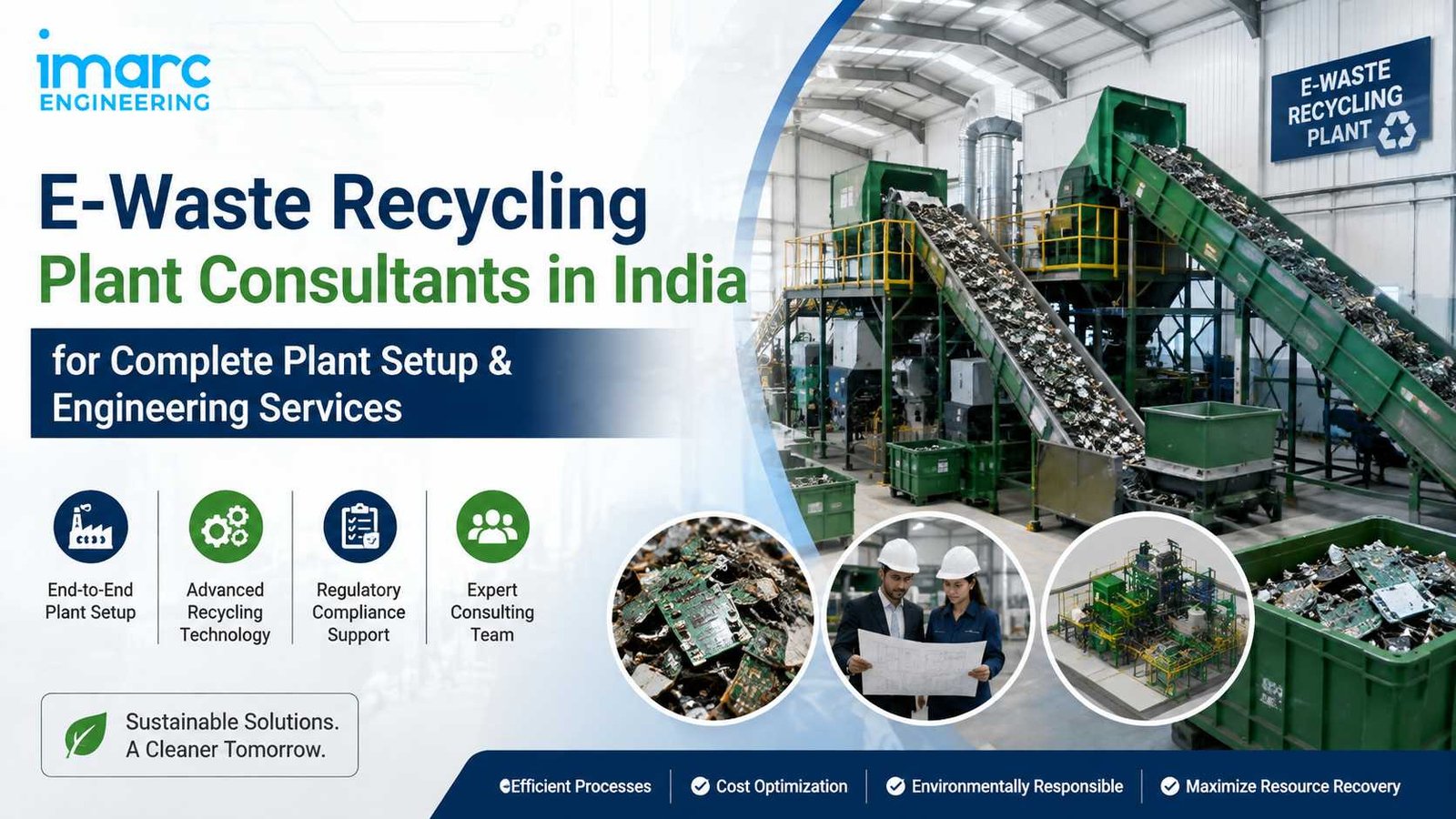
India’s e-waste volume has grown fast enough that formal recycling infrastructure is now visibly behind it, a gap that is turning into a genuine engineering and investment opportunity for those who set up plants correctly. According to CPCB data presented to the Lok Sabha, India generated 14.15 lakh metric tonnes of e-waste in FY 2025-26, of which only 9.79 lakh MT was processed through formal recycling. This guide covers what setting up a properly engineered e-waste recycling facility in India actually involves, covering feedstock assessment, licensing, technology selection, engineering design, investment requirements, and profitability.
India’s E-Waste Generation and Recycling Gap
Official government data shows e-waste generation climbing steadily over the past three years, while the share of that volume actually processed through formal channels has fluctuated rather than kept pace consistently.
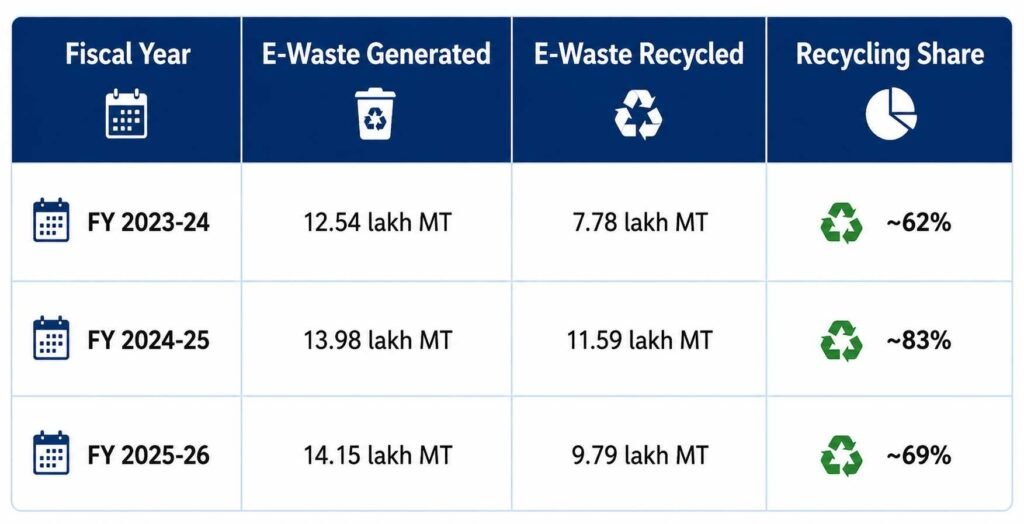
Uttar Pradesh currently leads state-wise recycling volume, followed by Telangana and Haryana, according to the same government data. The gap between generation and formal processing, still around 4 to 5 lakh MT annually even in a strong year, is what continues to route material through informal, non-compliant recycling channels, and it is the gap that new formal capacity is being built to close.
Why the Economics Favor Formal Recycling
- High recoverable material value: E-waste generated in India carries an estimated total embedded material value of approximately ₹51,000 crore, with roughly ₹30,600 crore technically recoverable through proper processing, reflecting the gold, silver, copper, and other metals embedded in circuit boards, connectors, and components.
- Strong margin profile: E-waste recycling reports gross margins of 35-50% and net margins of 10-18%, among the highest of any common recycling category, precisely because that recoverable material value is concentrated in a relatively small processed volume.
- Capacity shortfall creating room for new entrants: With formal processing still running meaningfully behind annual generation, well-engineered new capacity is entering a market with genuine unmet demand rather than one already saturated with formal players.
Planning an e-waste recycling plant? Speak with IMARC Engineering’s experts for feasibility, engineering design, regulatory approvals, and project implementation support: https://www.imarcengineering.com/contact-us
What Plant Setup Actually Involves
Setting up an e-waste recycling facility is an engineering and regulatory sequence, not a single licensing step, and skipping ahead to construction before the earlier stages are validated is a common source of costly rework.
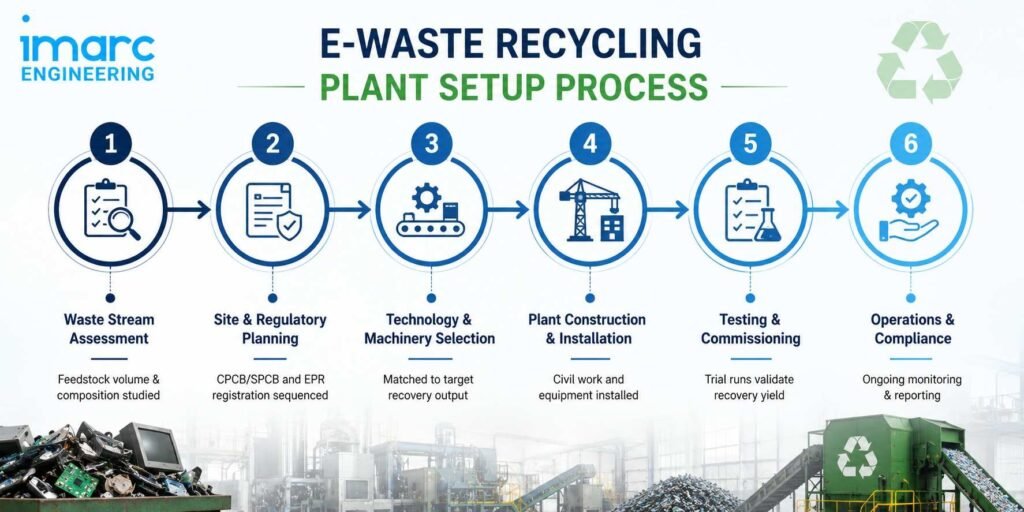
- Waste stream assessment: Feedstock volume and composition, the mix of circuit boards, cables, batteries, and plastics expected, are studied before process design begins, since this mix determines which recovery technology actually fits.
- Site and regulatory planning: CPCB or State Pollution Control Board hazardous waste authorization and E-Waste Management Rules registration are sequenced early, since these approvals typically take longer to secure than equipment procurement.
- Technology and machinery selection: Dismantling, shredding, and separation equipment is matched to the target recovery output, whether that is basic material segregation or deeper metal recovery, rather than selected from a generic vendor catalog.
- Plant construction and installation: Civil work and equipment installation proceed once the process design and regulatory pathway are both confirmed, reducing the risk of a design change after construction has already begun.
- Testing and commissioning: Trial runs validate actual recovery yield against the feedstock composition assessed at the start, surfacing any gap between projected and actual performance before full-scale operation begins.
- Operations and compliance: Ongoing effluent monitoring, hazardous waste handling records, and EPR-linked reporting continue as a recurring operating requirement, not a one-time setup task.
Typical Investment and Returns
Capital investment for a formal e-waste recycling plant in India ranges from roughly ₹1 crore for a basic dismantling and shredding line to ₹20 crore or more for an integrated facility with deeper metal recovery capability. Payback is typically achieved in 3 to 6 years, with net margins in the 10-18% range for plants that reach healthy capacity utilization and secure consistent feedstock supply, whether through direct collection, aggregator partnerships, or EPR-linked arrangements with producers.
How IMARC Engineering Supports E-Waste Recycling Plant Development
IMARC Engineering supports investors and manufacturers through the full engineering sequence for e-waste recycling plant development as follows:
- Feedstock-first planning: Every project starts with an assessment of the target region’s actual e-waste composition and volume, so process design is built around real feedstock, not a generic industry assumption.
- Technology matched to output goals: Dismantling, shredding, and separation equipment is selected against the specific recovery output targeted, basic segregation or deeper metal recovery, rather than pulled from a standard vendor catalog.
- End-to-end regulatory sequencing: CPCB, State Pollution Control Board authorization, and E-Waste Management Rules registration are managed and sequenced early, since these approvals typically take longer to secure than equipment procurement.
- Full lifecycle project support: Involvement continues from feasibility and plant layout through construction, testing, and commissioning, rather than ending at design handover.
- Yield validated before full-scale operation: Recovery yield is tested against real feedstock during commissioning, surfacing any gap between projected and actual performance while it is still inexpensive to correct.
- Experience across the recycling category: The team’s background spans multiple recycling streams, giving projects the benefit of cross-category engineering experience, not just e-waste-specific templates.
Want to learn the complete e-waste recycling plant setup process? Read our detailed guide: https://www.imarcengineering.com/blog/how-to-develop-an-e-waste-recycling-facility-in-india
Final Thoughts
India’s e-waste recycling gap, still measured in lakhs of tonnes annually even as formal processing improves, represents a genuine and currently underserved opportunity. The plants that capture that opportunity profitably are the ones engineered around the actual composition of their target feedstock and sequenced properly through licensing and commissioning, not the ones that treat setup as a single construction project with a permit attached.
Contact Us:
IMARC Engineering
Phone: +91-120-433-0800
Email: sales@imarcengineering.com
India: C-130, Sector 2, Noida, Uttar Pradesh 201301
LinkedIn: https://www.linkedin.com/showcase/imarc-engineering/
About the Author