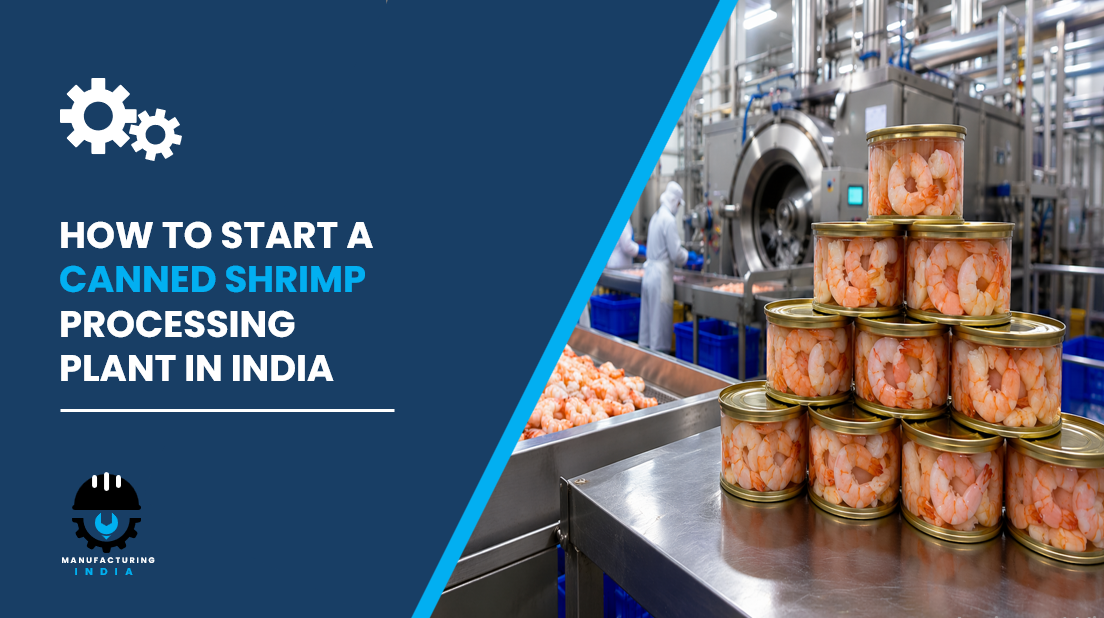
Setting up a canned shrimp processing plant in India presents a compelling investment case grounded in the country’s extensive coastal aquaculture base, a large and growing domestic appetite for convenient, protein-rich seafood products, and strong international demand for Indian shrimp exports in value-added processed formats. Canned shrimp – which preserves the rich nutritional profile and delicate flavours of shrimp in a readily accessible, extended-shelf-life format – is one of the most commercially successful value-added seafood products globally. The preservation method not only extends the shelf life of shrimp but also ensures that its valuable nutrients, including high-quality protein, omega-3 fatty acids, vitamins, and minerals such as iodine, selenium, and zinc, are retained — making it an attractive product for both health-conscious domestic consumers and quality-driven international buyers.
India’s strategic advantages for this investment are deeply rooted in the country’s aquaculture ecosystem. Andhra Pradesh, Gujarat, West Bengal, Odisha, and Tamil Nadu together produce some of the world’s largest volumes of shrimp – particularly white leg shrimp and black tiger shrimp – providing a cost-competitive and abundant raw material base for canned shrimp processors. The Make in India initiative, the Marine Products Export Development Authority (MPEDA) support framework, and government investment incentives for food processing and seafood export industries collectively create a policy environment that actively favours establishing value-added shrimp processing capacity in India. With global demand for convenient, ready-to-eat seafood products rising steadily – driven by busy lifestyles, growing awareness of seafood’s health benefits, and expanding protein-rich diet preferences – canned shrimp processing in India offers a well-timed and commercially sound investment opportunity.
A canned shrimp processing plant in India combines India’s world-class shrimp aquaculture base with surging global demand for convenient, nutritious seafood products. Backed by the country’s established shrimp export infrastructure, growing domestic protein consumption, innovations in canning technology, and increasing consumer preference for sustainable seafood sourcing, this investment delivers strong financial returns and export-oriented revenue diversification for processors positioned within India’s coastal seafood belt.
What is Canned Shrimp?
Canned shrimp is a preserved seafood product that delivers the rich nutritional profile and delicate flavours of shrimp through a readily accessible format that extends shelf life without compromising taste or nutritional value. The preservation method retains valuable nutrients including high-quality protein, omega-3 fatty acids, vitamins, and minerals such as iodine, selenium, and zinc, contributing to heart health, brain function, and overall well-being.
Canned shrimp is available in various forms, including whole, chopped, or as shrimp paste, making it a versatile ingredient suitable for a broad range of culinary applications – from traditional seafood dishes and salads to appetisers and spreads. Its ease of storage and preparation appeals to both home cooks and professional chefs seeking nutritious meal options without the hassle of extensive cooking or managing fresh seafood’s short shelf life. The product serves end-use markets including household consumers, foodservice operators, retailers, food processors incorporating canned shrimp as an ingredient in value-added ready-to-eat products, and international export buyers.
Cost of Setting Up a Canned Shrimp Processing Plant in India
The total cost of establishing a canned shrimp processing plant in India depends on production capacity, canning technology, plant location relative to shrimp supply, cold chain infrastructure, degree of automation, and regulatory compliance requirements.
1. Capital Expenditure (CapEx)
The capital investment required to set up this facility covers several major cost heads. Land and site development – including land registration, boundary development, marine-grade drainage infrastructure, and related site works – forms a substantial portion of total CapEx. Investors should consider locating the unit within established seafood processing industrial zones or coastal agro-processing estates in Andhra Pradesh (Nellore, Kakinada), Gujarat (Veraval, Porbandar), West Bengal (Haldia, Diamond Harbour), or Tamil Nadu (Chennai, Nagapattinam). Proximity to shrimp farming clusters and landing centres is essential to minimise fresh shrimp transportation time and preserve raw material quality before processing.
Civil works and construction costs cover the raw material receiving and cold storage area, washing and grading hall, processing and cooking room, canning line, retort sterilisation area, labelling and packaging zone, quality control laboratory, finished goods cold storage warehouse, effluent treatment area, and administrative block. All food processing areas must be constructed to FSSAI Good Manufacturing Practice (GMP) standards – including food-grade flooring, wall cladding, drainage, and ventilation – adding specification complexity to the civil works scope relative to non-food processing facilities.
Machinery and equipment represent the largest component of total capital expenditure for this canned shrimp processing plant. The processing line requires specialised equipment for each stage of the multi-step canning process, covering shrimp washing, grading, peeling and deveining, cooking and blanching, can filling, sealing, retort sterilisation, cooling, labelling, and packaging. All machinery must comply with food processing industry standards for hygiene, safety, efficiency, and reliability.
Other capital costs include cold storage refrigeration systems for raw shrimp and finished product, effluent treatment plant (ETP) installation for seafood processing wastewater, pre-operative and commissioning expenses, and utility connection charges for electricity, water, steam, and refrigeration.
Request a Sample Report for In-Depth Market Insights: https://www.imarcgroup.com/canned-shrimp-processing-plant-project-report/requestsample
2. Operational Expenditure (OpEx)
The operating cost structure of a canned shrimp processing plant is primarily driven by raw material procurement. Raw material cost – covering fresh or frozen shrimp as the primary input along with canning media such as brine, water, or flavoured liquids, cans and lids, and packaging materials — represents the dominant share of total OpEx. Fresh shrimp, as a highly perishable raw material with significant price volatility tied to aquaculture production cycles and export market pricing, is the most critical procurement management challenge for canned shrimp processors. Investors should establish long-term supply agreements with shrimp farmers and aggregators in the surrounding aquaculture zone to stabilise input costs and ensure year-round production continuity.
Utility costs, covering electricity for refrigeration, cooking, sterilisation, and packaging operations, along with water for shrimp washing and processing, and steam for retort sterilisation, represent a meaningful share of OpEx given the energy-intensive cold chain and thermal processing requirements of seafood canning. Other operating costs include transportation and logistics for shrimp procurement from farms and landing centres, finished goods dispatch to domestic retail and export buyers, packaging materials, salaries and wages for processing and quality assurance staff, maintenance and calibration of processing and retort equipment, depreciation of fixed assets, and applicable taxes. By the fifth year of operations, total operational costs are projected to increase substantially due to inflation, shrimp price escalation, market fluctuations, supply chain disruptions, and growing consumer demand dynamics.
3. Plant Capacity
Plant capacity for a canned shrimp processing unit can be customised based on specific investor requirements, available shrimp supply in the target sourcing region, target market mix between domestic and export channels, and available capital. Profitability and unit economics improve with higher capacity utilisation, and the high perishability of fresh shrimp raw material makes efficient throughput scheduling and cold chain management central operational priorities for maximising recovery yields and minimising waste-related cost losses.
4. Profit Margins and Financial Projections
The canned shrimp processing plant demonstrates healthy profitability potential under normal operating conditions. Financial projections for the proposed project are based on realistic assumptions related to capital investment, operating costs, production capacity utilisation, pricing trends, and demand outlook – providing a comprehensive view of the project’s financial viability, ROI, profitability, and long-term sustainability. Key financial indicators including NPV, IRR, payback period, liquidity analysis, and sensitivity analysis are covered comprehensively in the full project report, enabling investors to assess break-even timelines and long-term return profiles specific to their chosen capacity, product range, and export market strategy.
Why Set Up a Canned Shrimp Processing Plant in India?
Global Shift Towards Convenient and Ready-to-Eat Food Products. The global shift towards convenient and ready-to-eat food products is a primary market driver for canned shrimp, appealing to busy lifestyles and the demand for quick, healthy meal solutions. Canned shrimp offers a time-saving solution for both home cooks and professional chefs, making it an essential pantry staple in households worldwide. India’s growing urban middle class and expanding retail and e-commerce food channels are creating a rapidly deepening domestic demand base alongside the established export market.
Growing Awareness of Seafood’s Health Benefits. The growing awareness of the health benefits associated with seafood consumption — combined with the increasing preference for protein-rich diets — further propels demand for canned shrimp. As an excellent source of lean protein, omega-3 fatty acids, and vital minerals including iodine, selenium, and zinc, canned shrimp serves health-conscious consumers seeking nutritious, convenient meal components that contribute to heart health and brain function.
Innovations in Canning Technology Enhancing Product Appeal. Innovations in canning technology and improvements in product quality — including better preservation methods and the addition of flavour-enhancing ingredients — have significantly enhanced the appeal of canned shrimp. These advancements allow processors to deliver superior sensory qualities, extended shelf stability, and greater product variety across whole, chopped, and paste formats, enabling differentiation in both domestic and international markets.
Sustainability and Ethical Sourcing as a Competitive Advantage. With a focus on sustainability and ethical sourcing, manufacturers are increasingly adopting practices that ensure the environmental impact of canned shrimp production is minimised, appealing to eco-conscious consumers in key export markets including Europe and North America. India’s shrimp aquaculture industry has invested significantly in certification programmes — including ASC (Aquaculture Stewardship Council) and BAP (Best Aquaculture Practices) — that Indian canned shrimp processors can leverage as a quality and sustainability credential with premium international buyers.
India’s Established Shrimp Export Infrastructure. India is one of the world’s leading shrimp exporters, with deep-rooted processing infrastructure, MPEDA-supported quality certification systems, and established trade relationships with the United States, the European Union, Japan, and Southeast Asia. Canned shrimp as a value-added export format — commanding higher prices per kilogram of shrimp than frozen or raw export grades — represents a natural commercial evolution for India’s seafood processing industry that processors establishing this type of unit can immediately leverage.
Long Shelf Life Ensuring Market Reach Without Cold Chain Dependency. The long shelf life of canned shrimp ensures that it can be stored and transported for extended periods without losing taste or nutritional value, providing a reliable seafood option regardless of season or availability. This shelf stability eliminates the cold chain dependency required for fresh and frozen shrimp exports, significantly expanding the addressable retail and foodservice market — particularly in inland and emerging market geographies where cold chain infrastructure is developing.
Manufacturing Process — Step by Step
The canned shrimp processing plant uses a multi-step production method that covers raw material reception, preparation, cooking, canning, sterilisation, and packaging. The process involves multiple unit operations, material handling stages, and quality verification checkpoints throughout.
- Raw Shrimp Receipt and Cold Storage: Fresh or frozen shrimp is received from shrimp farms, aggregators, and landing centres, inspected for species, size, freshness, and microbiological quality, and immediately transferred to cold storage to maintain the temperature chain before processing.
- Washing and Grading: Shrimp is thoroughly washed under chilled clean water to remove dirt, surface contaminants, and debris. Graded by size and quality using grading equipment to ensure uniform pack specifications across canned product batches.
- Peeling and Deveining: Washed shrimp undergoes mechanical or manual peeling to remove the shell and tail, followed by deveining to remove the digestive tract, producing clean, processed shrimp meat ready for cooking.
- Blanching and Cooking: Peeled and deveined shrimp is blanched or pre-cooked in steam or hot water to denature proteins, fix colour, reduce microbial load, and achieve the desired texture and flavour profile for canning.
- Can Filling: Cooked shrimp is filled into cans at controlled fill weights, and the appropriate canning medium — brine, water, or flavoured liquid — is added to specification for the target product variant.
- Can Sealing: Filled cans are hermetically sealed using double-seam sealing equipment to create an airtight closure that is essential for the commercial sterilisation step and for preventing post-process contamination.
- Retort Sterilisation: Sealed cans are loaded into retort vessels and subjected to high-temperature steam sterilisation at controlled time and temperature parameters to achieve commercial sterility – eliminating all pathogenic and spoilage microorganisms and ensuring extended shelf life without refrigeration.
- Cooling: Sterilised cans are cooled in retort vessels or cooling channels using controlled water cooling to reduce temperature rapidly, protect can integrity, and prevent post-process thermal damage to product quality.
- Quality Control and Testing: Cooled cans are inspected for seal integrity, can integrity, and vacuum levels. Finished product is tested for microbiological sterility, net weight, organoleptic properties, and compliance with FSSAI and applicable export regulatory standards.
- Labelling and Packaging: Approved canned shrimp is labelled with product information, nutritional data, production date, and batch codes, then packed into cartons and prepared for dispatch to domestic retail channels, foodservice distributors, and international export buyers.
Key Applications
The canned shrimp processing plant serves multiple end-use markets with growing demand for convenient, nutritious, and shelf-stable seafood products:
- Household Consumer Market: Canned shrimp is used across a broad range of home cooking applications including traditional seafood dishes, salads, pasta, spreads, and quick-preparation meals – making it an essential pantry staple for both everyday and occasion cooking.
- Foodservice and Catering: Used by restaurants, hotels, cloud kitchens, and catering services as a ready-to-use seafood ingredient for appetisers, salads, pasta dishes, and seafood-based menu items requiring consistent quality and rapid preparation.
- Food Processing Industry: Incorporated as an ingredient in value-added ready-to-eat products including seafood pasta, seafood sauces, ready meals, and premium snack products by food manufacturers targeting convenience-oriented consumers.
- Retail and E-Commerce: Packaged for retail sale through supermarkets, grocery stores, and e-commerce food platforms targeting health-conscious consumers seeking convenient protein sources with long pantry shelf life.
- Export Markets: Exported to the United States, European Union, Japan, and other international markets where canned shrimp is a well-established commodity with growing premium and sustainably sourced product segments.
Leading Manufacturers
The global canned shrimp industry is served by seafood processing companies operating across major shrimp-producing regions including Asia, Latin America, and the Indian subcontinent. India is one of the world’s leading shrimp processing nations, with processing capacity concentrated in Andhra Pradesh, Gujarat, West Bengal, and Tamil Nadu, serving both domestic and international canned and value-added seafood markets. A detailed competitive landscape – including leading global and domestic canned shrimp manufacturers, their production capacities, and application portfolios – is covered comprehensively in the full project report.
Timeline to Start the Plant
- Feasibility study and project report preparation
- Land acquisition and site development
- Regulatory approvals and environmental clearances
- Factory licence and fire safety compliance
- Machinery procurement and installation
- Raw material supplier agreements and supply chain setup
- Trial production and quality testing
- Commercial production launch
Licences and Regulatory Requirements
Starting a canned shrimp processing unit in India requires several approvals:
- Business registration (Proprietorship, LLP, or Pvt Ltd)
- Factory Licence under the Factories Act
- Environmental Clearance from State Pollution Control Board
- GST Registration
- Fire Safety NOC
- FSSAI (Food Safety and Standards Authority of India) food processing licence – mandatory for all seafood canning operations
- MPEDA (Marine Products Export Development Authority) registration – required for processing and export of marine products including canned shrimp
- Export-related compliance certifications including US FDA registration, EU food establishment approval (for European exports), and applicable phytosanitary and food safety documentation
- Effluent Treatment Plant (ETP) operational clearance for seafood processing wastewater management
- Occupational Health and Safety compliance
Key Challenges to Consider
Raw Shrimp Price Volatility and Supply Seasonality. Fresh shrimp is the primary operational cost input and is subject to significant price fluctuations tied to aquaculture production cycles, disease outbreaks in farming zones, weather conditions, and global export market pricing. Establishing long-term procurement agreements with shrimp farmers and maintaining strategic frozen shrimp inventory during peak-production procurement windows are essential cost risk management strategies.
Strict Food Safety and Export Compliance Requirements. Canned seafood is subject to among the most rigorous food safety standards of any food category – including FSSAI regulations, MPEDA export compliance, US FDA import standards, EU food safety requirements, and the Codex Alimentarius guidelines for low-acid canned foods. Meeting these multi-layered standards requires investment in robust quality management systems, HACCP implementation, microbiological testing laboratories, and regular third-party audits.
Regulatory Compliance for Wastewater and Environmental Management. Seafood processing generates large volumes of high-organic-load wastewater from shrimp washing, cooking, and cleaning operations. Meeting State Pollution Control Board effluent quality standards and operating a compliant ETP requires dedicated infrastructure investment and ongoing environmental monitoring obligations.
Technology and Innovation Pressure. Growing consumer preference for flavour-enhanced, sustainably sourced, and organically certified canned shrimp varieties – as well as the addition of flavour-enhancing ingredients and improved preservation methods – requires processors to invest in product development, formulation innovation, and premium product range expansion to remain competitive with established international brands in both domestic and export markets.
Competition from Established Global Processors. India’s canned shrimp processors compete with established producers from Southeast Asia, Latin America, and other Asian seafood processing nations for both domestic retail shelf space and international export contracts. Differentiation on product quality, sustainability certification, competitive pricing, and reliable export compliance documentation is essential for building durable buyer relationships.
Cold Chain Infrastructure and Skilled Manpower. Operating shrimp cold storage, retort sterilisation systems, and food safety-compliant processing lines to international certification standards requires technically trained food processing personnel and continuous cold chain management – operational capabilities that require targeted recruitment, training, and infrastructure investment, particularly in locations outside established seafood processing hubs.
Frequently Asked Questions
1. How much does it cost to set up a canned shrimp processing plant in India? Total investment depends on production capacity, canning technology, location relative to shrimp supply zones, cold chain infrastructure requirements, and degree of automation. Key cost components include land and food-grade facility construction, cold storage infrastructure, processing and retort machinery, ETP, quality control laboratory, and working capital for shrimp procurement. A detailed project report provides capacity-specific CapEx and OpEx estimates.
2. Is canned shrimp processing profitable in India in 2026? Yes. The canned shrimp processing plant demonstrates healthy profitability potential, supported by the convenience-driven global demand for ready-to-eat seafood, India’s cost-competitive shrimp supply base, and premium pricing achievable in value-added canned formats versus bulk frozen exports. Profitability improves with higher capacity utilisation, effective raw shrimp procurement cost management, and export market diversification. Full financial projections including NPV, IRR, gross margin, and net margin are detailed in the project report.
3. What machinery is required for a canned shrimp processing plant in India? Key equipment covers the complete processing chain from raw shrimp receipt to finished canned product dispatch, including shrimp washing and grading machines, peeling and deveining equipment, cooking and blanching systems, can filling machines, double-seam can sealers, retort sterilisation vessels, cooling systems, labelling machines, and packaging lines.
4. What licences and approvals are required to start a canned shrimp processing plant in India? Required approvals include business registration, Factory Licence under the Factories Act, Environmental Clearance from the State Pollution Control Board, GST registration, FSSAI food processing licence, MPEDA registration for seafood export, US FDA registration and EU establishment approval for export markets, ETP operational clearance, Fire Safety NOC, and Occupational Health and Safety certification.
5. What raw materials are needed for canned shrimp processing? The primary raw material is fresh or frozen shrimp sourced from shrimp farms, aggregators, and landing centres. Supporting process materials include canning media – brine, water, or flavoured liquid – along with food-grade cans and lids, and retail and export packaging materials.
6. What are the environmental compliance requirements for a canned shrimp processing plant in India? Operators must obtain Environmental Clearance, maintain an operational Effluent Treatment Plant for high-organic-load seafood processing wastewater – from shrimp washing, cooking, and cleaning operations – and comply with State Pollution Control Board guidelines on effluent quality before discharge. Solid waste from shrimp peeling and deveining – including shells and heads – must be managed through approved disposal or value-added recovery pathways such as chitin extraction or fish meal production.
7. What is the best location to set up a canned shrimp processing plant in India? Ideal locations offer maximum proximity to shrimp farming zones and landing centres, cold chain logistics infrastructure, port access for export shipments, and established seafood processing industry support services. Andhra Pradesh – India’s largest shrimp-producing state – along with Gujarat (Veraval), West Bengal (Haldia), and Tamil Nadu (Chennai) are the strongest location options, each offering established shrimp supply networks, seafood processing infrastructure, and export logistics connectivity.
8. What is the break-even period for this type of plant in India? Break-even depends on production scale, shrimp procurement costs, capacity utilisation, the revenue mix between domestic and export channels, and prevailing canned shrimp market pricing. A detailed feasibility study provides project-specific break-even, NPV, and IRR projections aligned to investor capacity, product range, and target export market strategy.
9. What government incentives are available for manufacturers in India? Canned shrimp processors in India can benefit from MPEDA export development support and financial assistance schemes, PLI scheme incentives for food processing, capital subsidies under state-level seafood processing investment schemes in Andhra Pradesh and Gujarat, tax exemptions under state industrial promotion policies, reduced utility tariffs in coastal food processing estates, and export-linked benefits and incentive programmes for marine product exporters. FSSAI and MPEDA quality certification support programmes may provide additional technical and financial assistance.
Key Takeaways for Investors
The canned shrimp processing plant opportunity in India is underpinned by a powerful convergence of India’s world-class shrimp aquaculture production base, surging global demand for convenient, nutritious, and shelf-stable seafood products, and growing domestic consumer appetite for ready-to-use protein-rich ingredients across retail, foodservice, and food processing channels. The investment benefits from India’s established seafood export infrastructure, MPEDA support framework, cost-competitive shrimp supply, and the premium pricing that value-added canned formats command over bulk frozen export grades. Innovations in canning technology, better preservation methods, and the addition of flavour-enhancing ingredients continue to enhance product appeal and broaden the consumer base for canned shrimp both domestically and internationally. As global awareness of seafood’s health benefits deepens – with canned shrimp delivering high-quality protein, omega-3 fatty acids, and vital minerals including iodine, selenium, and zinc – and as convenience food consumption continues its structural rise, canned shrimp processed in India is positioned for durable, multi-decade demand growth across every tier of its diversified domestic and export market.
About the Author