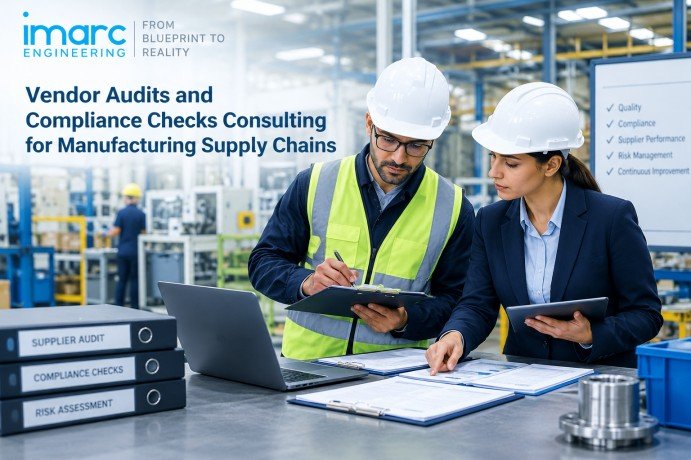
Vendor Audits and Compliance Checks
A supplier’s certificate tells you what was true when it was issued, but it does not guarantee that the material arriving at your plant next month will meet specification. Vendor audits and compliance checks help close this gap by examining how suppliers actually operate, from processes and controls to documentation and quality practices. This guide explains what manufacturing vendor audits cover, how they are conducted, and when they are worth doing.
For manufacturers, supplier performance directly affects product quality, production continuity, regulatory compliance, and project schedules. A structured audit can reveal gaps in process controls, traceability, testing, documentation, capacity, and corrective-action practices before they become costly disruptions. By combining document review with on-site verification, manufacturers can assess whether suppliers have the capabilities and controls needed to consistently meet technical, quality, regulatory, and contractual requirements throughout the supply relationship.
What Are Vendor Audits and Compliance Checks?
A vendor audit and compliance check examines a supplier’s processes, controls and records against defined requirements. A compliance check focuses on applicable legal, regulatory, contractual and customer requirements. They can be conducted together when the scope needs both.
Related activities are often confused:
- Supplier evaluation: decides whether a supplier is suitable at all.
- Vendor audit: tests processes and controls in depth.
- Compliance check: confirms licences, standards and statutory requirements.
- Vendor inspection: verifies a specific batch, machine or shipment.
- Re-audit: confirms earlier corrective actions worked.
Why Manufacturers Audit Suppliers
A strong internal quality system can still be undermined by an external supplier. Common risks include:
- Inconsistent raw-material quality
- Uncontrolled engineering or specification changes
- Inadequate change notification to the buyer
- Sub-tier supplier dependency
- Weak traceability and documentation
- Inadequate testing and calibration
- Insufficient capacity when demand rises
- Environmental or worker-safety gaps
ISO guidance on externally provided processes stresses risk-based control, so audit effort should reflect what could go wrong.
Why a Certificate Is Not Enough
ISO 9001 certification provides evidence that a quality management system has been assessed against ISO 9001 requirements within a defined scope. It does not, by itself, prove that every product, process or production batch will meet your specific requirements. Audits regularly find what certificates cannot show: overdue calibration, informal process changes and records that cannot support traceability.
The most useful audit question is simple: does the supplier’s actual practice match its procedure, and can records prove it?
Practical vendor-audit evidence chain:
Requirement → Procedure → Actual Practice → Record/Evidence
Practical audit perspective: A supplier can hold valid certifications and still present operational risk. The key is to connect documented requirements with what happens on the production floor and the records that demonstrate it.
What a Manufacturing Vendor Audit Covers
Quality Management System
Review document control, internal audits, complaint handling, nonconformance records and management review. Ask for recent internal audit reports and check what was found and closed.
Manufacturing Process Controls
Auditors follow the product through production and check:
- Work instructions against what operators actually do
- Process parameters and inspection points
- Rework and rejection controls
- Preventive maintenance of critical machines
Engineering and Change Control
- Drawing and specification control
- Approved deviations and engineering change notices
- Customer approval for critical changes
- Process-change validation where applicable
Incoming Materials and Traceability
Check approved sub-suppliers, incoming inspection, storage and quarantine of rejected lots. A practical test: pick one finished batch and trace it back to the raw material, inspector and test record. If that takes hours, traceability is weak.
Testing and Calibration
Can the supplier verify its own product? Review test methods, equipment, calibration certificates, reference standards and sampling plans. Check how out-of-calibration results were investigated, because unnoticed measurement drift quietly ships defective product.
Regulatory Compliance
Requirements depend on the product and sector. Examples in India include:
- Pharmaceuticals: Schedule M GMP, manufacturing licences, validation
- Food: FSSAI licensing, hygiene and recall readiness
- Applicable products: BIS requirements and relevant Quality Control Orders
- Where applicable: environmental consents, occupational safety requirements and other statutory obligations
BIS certification is generally voluntary unless a product falls under a compulsory Quality Control Order, so confirm applicability first. Verify against current notifications rather than an old checklist.
Health, Safety and Environment
Look at machine guarding, fire and electrical safety, worker training, hazardous-waste handling, chemical storage and incident records. A safety or environmental shutdown can stop your supply overnight.
Capacity and Business Continuity
A supplier may meet every specification yet fail on volume. Assess installed capacity, utilisation, critical machinery, backup arrangements, dependence on a single customer or raw-material source, and contingency plans.
View Related Insight: https://www.imarcengineering.com/blog/how-to-conduct-vendor-audit-manufacturing-suppliers-india
A Seven-Step Audit Framework
Audits work best when they follow a repeatable sequence:
- Define scope: supplier, product, site, criticality and applicable standards.
- Screen by risk: rank suppliers by criticality, regulatory exposure, quality history and replaceability.
- Review documents: licences, certificates, specifications and earlier audit reports.
- Audit on site: production, warehouse, laboratory, maintenance and safety practices.
- Verify evidence: trace each requirement through procedure, practice and record.
- Classify findings: critical, major, minor or observation, using your own supplier-quality procedure, since these labels are not universal regulatory categories.
- Close out CAPA: confirm root cause, corrective action, owner, deadline and evidence the fix worked.
Methodology can also be aligned with applicable guidance such as ISO 19011:2026, depending on the scope and management systems assessed.
Match Audit Depth to Supplier Risk
A practical supplier-risk framework scores each supplier on five dimensions:
- Quality: rejection rates and complaints
- Compliance: licences and regulatory exposure
- Supply: capacity, lead time and single-source dependency
- Technical: process complexity and testing capability
- Continuity: financial health and alternate capacity
Critical suppliers will often warrant deeper assessment, potentially including an on-site audit, while lower-risk suppliers may be managed through proportionate documentation reviews, questionnaires or performance monitoring. Also ask who performs machining, heat treatment, testing or packaging on your supplier’s behalf, since sub-tier suppliers can carry hidden risk. Set scoring thresholds within your own procurement system.
When Should You Audit a Supplier?
- Before onboarding a new or critical supplier
- Before major equipment or material purchases
- Before approving a significant supplier process, material or engineering change
- When rejection rates, complaints or delays rise
- After a serious nonconformity, as a re-audit
- Before a plant expansion, when many vendors supply machinery, utilities and automation
For stable, critical suppliers, set periodic audits by risk rather than a fixed calendar.
Consult With An Expert: https://www.imarcengineering.com/contact?service=vendor-audits-and-compliance-checks
What a Useful Audit Report Contains
A report should let a procurement or quality head decide quickly. Include:
- Scope, criteria and documents reviewed
- Findings linked to evidence, including photographs where permitted
- Applicable requirement, severity and business impact
- Corrective actions, owners and due dates
- CAPA verification status
- Final status: approved, conditionally approved or action required
Common Gaps Auditors Find
- Valid certificates that exclude the product being supplied
- Incomplete calibration records
- Corrective actions closed on paper without root-cause analysis
- Changes implemented without documented buyer notification or approval
- Sub-tier suppliers not adequately controlled or disclosed
- Expired licences or environmental consents
Most are fixable when found early. Undetected, they surface as line stoppages, rejected lots or failed customer audits.
Choosing an Audit Partner
Whether you audit in-house or outsource, ask:
- Do the auditors understand your product and process, not only standards?
- Will they verify practice on the shop floor, not just review files?
- Do they follow findings through to verified closure?
- Are they independent of the supplier?
- Can they translate findings into practical engineering, procurement or compliance actions?
How IMARC Engineering Can Help
IMARC Engineering provides vendor audit and compliance assessment support that combines engineering judgement with quality and regulatory review. The scope can cover supplier capability, manufacturing processes, documentation, testing, traceability, safety and corrective actions, structured around supplier criticality and project risk. This supports supplier qualification, procurement decisions and ongoing performance monitoring, including for plant setup and expansion projects. IMARC does not issue statutory certifications; we provide independent assessment to inform your decisions. Request a vendor audit assessment to discuss your requirements.
Conclusion
Vendor audits and compliance checks are not about catching suppliers out. They give manufacturers evidence that suppliers can deliver consistently, comply with applicable rules and recover when things go wrong. Start with a risk ranking, audit critical suppliers in proportion to risk, verify practice against records, and follow corrective actions through to closure. Done well, this reduces rejected material, protects production schedules and prepares you for customer or regulatory scrutiny before either arrives. Choose audit depth by risk, not habit.
Frequently Asked Questions
1. How often should suppliers be audited?
It depends on risk. Critical suppliers may need annual audits, while lower-risk suppliers can be reviewed less frequently, or after performance issues, complaints or significant process changes
2. What documents are typically reviewed?
Auditors typically review licences, certificates, specifications, batch and inspection records, calibration records, complaint logs, previous CAPA records and change-control documents, comparing each against what the supplier actually practises. (25 words)
3. What happens if a supplier fails an audit?
Findings are classified by severity and the supplier submits a corrective action plan. Approval may remain conditional until closure is verified, and a re-audit may follow. (25 words)
4. Should audits cover sub-tier suppliers?
For critical products, yes. At minimum, confirm how your supplier approves, monitors and controls its own sub-suppliers, including any outsourced processes such as machining, testing or packaging.
Contact Us:
IMARC Engineering
Phone: +91-120-433-0800
Email: sales@imarcengineering.com
India: C-130, Sector 2, Noida, Uttar Pradesh 201301
LinkedIn: https://www.linkedin.com/showcase/imarc-engineering/
About the Author