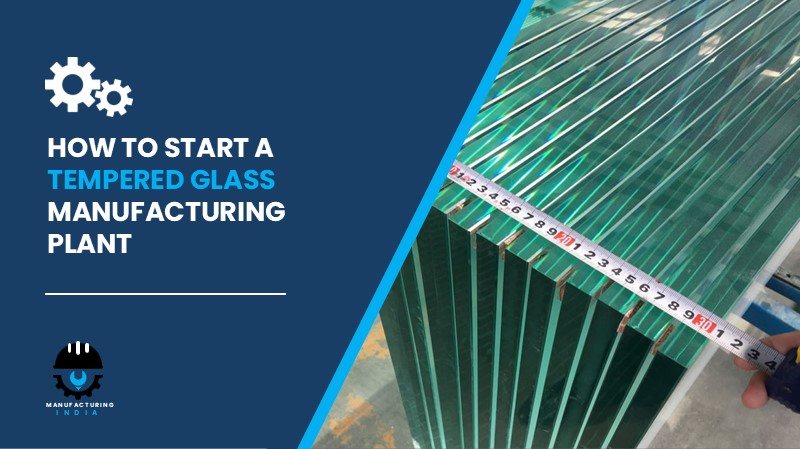
Setting up a tempered glass manufacturing plant in India presents a compelling investment case anchored in the country’s accelerating construction and infrastructure development, rapid urbanisation, surging demand for safety-compliant glazing in high-rise buildings and commercial complexes, growing automotive production, and the expanding consumer electronics ecosystem driving consistent demand for high-strength protective glass. Tempered glass, also known as toughened glass, is a safety glass product that is up to four to five times stronger than ordinary annealed glass due to its thermal treatment process, and when broken, it fractures into small rounded pieces rather than sharp shards – making it the material of choice wherever safety regulations mandate impact-resistant glazing. India’s vast and growing construction pipeline, its expanding vehicle manufacturing base, and the proliferation of smartphones and display-based devices are collectively creating a large, multi-sector, and structurally durable demand environment for domestically produced tempered glass at commercial scale.
India’s strategic strengths further reinforce the investment rationale. The government’s infrastructure development push – illustrated by London-based infrastructure investor Actis highlighting India as a highly attractive market and announcing plans to double its INR 17,500 crore investment across energy, roads, transport, and digital sectors as of October 2025 – is driving demand for tempered glass in construction and advanced infrastructure applications at an accelerating pace. The domestic float glass manufacturing base in Gujarat, Andhra Pradesh, and Tamil Nadu provides access to the primary raw material at competitive prices, reducing import dependency and inbound logistics costs. Make in India policy incentives, smart city project deployments, and rapidly expanding organised retail and residential real estate development are all compounding the structural demand case for a well-located, quality-focused tempered glass manufacturing plant in India today.
A tempered glass manufacturing plant in India is backed by a global market valued at USD 59.42 billion in 2025 growing at 4.6% CAGR toward USD 89.14 billion by 2034, India’s multi-sector demand convergence across construction, automotive, and consumer electronics, and active domestic manufacturing investment including India-based production at Noida by Optiemus Infracom. With gross profit margins of 30–40% and net margins of 15–22% achievable across a production capacity range of 5 to 20 million sq.m. per annum, this investment delivers strong returns across one of the most strategically diversified glass product categories in the building materials sector.
What is Tempered Glass?
Tempered glass, also known as toughened glass, is a safety glass product treated with thermal or chemical processes to increase its strength beyond that of annealed glass. The manufacturing process involves heating the glass to a high temperature and then rapidly cooling it – a process called quenching – which results in compressive stresses on the surface and tensile stresses in the core. This treatment increases the mechanical strength, thermal resistance, and durability of the glass significantly. When broken, tempered glass fractures into small, rounded pieces rather than sharp shards, making it a safer product across all application environments.
Tempered glass is available in a range of thicknesses, sizes, coatings, and finishes – including clear, tinted, frosted, and laminated variants – providing product flexibility for different architectural, automotive, and electronic application requirements. The primary production method involves glass cutting and edging, washing and drying, heating in a tempering furnace, rapid quenching, inspection, and packaging. End-use industries served include the construction and infrastructure sector, automotive industry, consumer electronics industry, and furniture and interior design sector – covering applications spanning building facades, windows and doors, shower enclosures, automotive side and rear windows, mobile device screens, and glass furniture.
Cost of Setting Up a Tempered Glass Manufacturing Plant in India
The total investment required to establish a tempered glass manufacturing plant in India depends on plant capacity, tempering furnace technology selection, geographic location, level of automation, and compliance with glass safety standards and environmental regulations. Investors must account comprehensively for both one-time capital expenditure and recurring operational costs when preparing a feasibility study or detailed project report (DPR).
1. Capital Expenditure (CapEx)
Land and Site Development constitutes a substantial foundational investment. Costs for land registration, boundary construction, internal road layout, drainage infrastructure, and site levelling vary based on whether the facility is within a government-notified building materials manufacturing zone, a glass processing industrial cluster, or on privately acquired industrial land. Industrial estates in Gujarat, Maharashtra, Uttar Pradesh, and Tamil Nadu offer infrastructure-ready locations with proximity to float glass suppliers and construction sector buyer networks.
Civil Works and Construction encompasses the main production hall which must accommodate the large footprint of continuous tempering furnace lines, cutting and edging stations, and automated handling conveyors along with the float glass raw material storage area with A-frame glass storage racks, quality control and inspection laboratory, finished tempered glass storage facility with padded protective racking, packaging area, and administrative block. High-bay construction to accommodate large glass sheet handling and the elevated profile of tempering furnace installations adds to civil construction requirements relative to lower-height manufacturing operations.
Machinery and Equipment represent the single largest component of capital expenditure. Key machinery required includes:
- Glass cutting machines
- Edging machines
- Washing and drying systems
- Tempering furnaces
- Quenching systems
- Inspection units
- Packaging equipment
Other Capital Costs include the effluent treatment plant (ETP) for managing glass washing and edging process water streams, pre-operative expenses covering regulatory filings and feasibility study preparation, plant commissioning charges, utility connection fees, and import duties applicable to high-precision tempering furnaces or automated cutting and edging systems sourced from international suppliers.
Request a Sample Report for In-Depth Market Insights: https://www.imarcgroup.com/tempered-glass-manufacturing-plant-project-report/requestsample
2. Operational Expenditure (OpEx)
Raw Material Cost is the dominant driver of operating expenditure, accounting for approximately 65–75% of total OpEx. The primary and overwhelmingly largest input is float glass – the high-quality, flat glass produced by the float process – which serves as the substrate that is cut, edged, and heat-treated to produce tempered glass. Float glass pricing is linked to soda ash, limestone, and energy cost dynamics in the primary glass manufacturing industry. Investors are advised to establish long-term supply contracts with domestic float glass producers including the established float lines in Gujarat and Andhra Pradesh to stabilise input pricing, reduce transport costs, and ensure consistent substrate quality for the tempering process. Glass substrate quality directly determines the optical clarity, dimensional accuracy, and surface defect rate of finished tempered glass, making raw material quality management as important as cost management.
Utility Costs – covering electricity and gas for tempering furnaces, which must heat glass to approximately 600–700°C before rapid quenching account for approximately 15–20% of total OpEx, reflecting the high thermal energy intensity of the tempering process. The tempering furnace is the most energy-intensive piece of equipment in the production line, and investors in locations with access to natural gas supply for furnace heating, competitive industrial electricity tariffs, and renewable energy options are materially better positioned to manage this significant cost component over the plant’s operational life.
Other Operating Costs include outbound transportation of finished tempered glass — which requires specialised padded and racked vehicles to prevent breakage during transit — to construction contractors, glazing and facade contractors, automotive OEMs and tier suppliers, consumer electronics manufacturers, and furniture and interior design companies; packaging materials for retail and commercial formats; employee salaries and wages for glass cutting operators, furnace technicians, quality inspectors, and logistics coordinators; equipment maintenance; quality assurance testing for BIS safety glazing standards compliance; depreciation on civil and machinery assets; and applicable taxes. By the fifth year of operations, total operational costs are expected to increase substantially due to inflation, market fluctuations, and potential rises in float glass and energy prices, compounded by supply chain disruptions and growing demand from construction and electronics sectors.
3. Plant Capacity
The proposed tempered glass manufacturing facility is designed with an annual production capacity ranging between 5 and 20 million square metres, enabling significant economies of scale while maintaining operational flexibility across different glass thicknesses, dimensions, and product finishes. This capacity range is well-aligned with the procurement requirements of large construction contractors, glazing companies, automotive OEM tier suppliers, and consumer electronics screen protector manufacturers. Capacity can be customised based on investor requirements, float glass procurement network scale, and target market coverage. Profitability improves consistently with higher capacity utilisation, and tempered glass plants support phased capacity expansion through additional tempering furnace lines with contained incremental investment once initial demand has been established and buyer relationships secured.
4. Profit Margins and Financial Projections
The tempered glass manufacturing plant demonstrates strong and stable profitability potential under normal operating conditions. Gross profit margins typically range between 30–40%, supported by stable multi-sector demand and the safety-compliant, value-added nature of tempered glass relative to standard float glass. Net profit margins range between 15–22%, reflecting the moderate-to-high utility intensity of the thermal tempering process. A comprehensive financial analysis should include income projections, expenditure forecasts, gross and net margin tracking across Years 1 through 5, net present value (NPV), internal rate of return (IRR), payback period, and a full profit and loss account. Sensitivity analysis covering float glass and energy price movements, and volume variability across construction and automotive demand cycles, is recommended for investment-grade financial planning.
Why Set Up a Tempered Glass Manufacturing Plant in India?
India’s Construction and Infrastructure Boom Driving Structural Glazing Demand. The rapid urban development of high-rise buildings and commercial complexes, combined with accelerating public infrastructure investment, is creating sustained large-volume demand for safety-compliant tempered glass in building facades, curtain walls, windows, and doors. As of October 2025, London-based infrastructure investor Actis highlighted India as a highly attractive infrastructure market and announced plans to double its INR 17,500 crore investment across energy, roads, transport, and digital sectors – a trend expected to significantly drive demand for tempered glass in construction and advanced infrastructure applications. Such external investment signals the scale of India’s infrastructure build-out that is generating multi-year procurement pipelines for building materials manufacturers.
Stringent Safety Regulations Mandating Safety Glass Across Applications. Regulatory standards across the construction, automotive, and consumer sectors mandate the use of safety glass – specifically tempered or laminated glass – wherever impact resistance and passenger or occupant safety are critical requirements. India’s building codes, automotive glazing standards, and BIS safety glass specifications are progressively tightening the safety glass compliance requirements that drive mandatory adoption across regulated application categories, providing domestic manufacturers with a regulatory demand floor that supports long-term volume stability.
India’s Domestic Manufacture — Validated by Recent Market Activity. In August 2025, Optiemus Infracom launched RhinoTech, a premium tempered glass screen protector brand using glass engineered by Corning, produced at its Noida, India facility – demonstrating active domestic manufacturing investment in value-added tempered glass products and validating the commercial viability of India-based tempered glass production across the consumer electronics segment. This India-produced brand featuring unlimited replacements for up to one year and fog marking for authenticity signals the growing sophistication of domestic tempered glass manufacturing capabilities and market positioning.
Automotive Sector Growth Requiring Impact-Resistant Vehicle Glazing. India’s expanding automobile manufacturing base spanning passenger cars, commercial vehicles, and two-wheelers is driving consistent demand for automotive-grade tempered glass used as side and rear windows where impact resistance and passenger safety are critical specifications. As domestic automotive production increases and vehicle safety standards become more stringent, the procurement volume for automotive tempered glass from domestic suppliers is growing in tandem.
Consumer Electronics Proliferation Creating Continuous High-Value Demand. The growing popularity of smartphones, tablets, and display panels produces continuous demand for durable glass materials with scratch resistance and optical clarity. In February 2025, Beijing NorthTech Glass announced plans to exhibit its advanced glass solutions at the 2025 International Builders’ Show, showcasing large-piece tempered glass, curved tempered glass, Low-E glass, and decorative printed glass – illustrating the expanding product range and application sophistication within the tempered glass industry. Indian manufacturers serving the smartphone screen protector and electronics display panel market can access this premium, high-margin product segment alongside construction and automotive base volumes.
Cost-Competitive Manufacturing with Domestic Float Glass Supply Access. India’s established domestic float glass manufacturing base – with primary production capacity in Gujarat and Andhra Pradesh – gives tempered glass processors direct access to the critical raw material at competitive prices relative to import-dependent processors in smaller regional markets. Combined with India’s competitive construction, labour, and utility costs, and proximity to the large and growing domestic construction and automotive buyer base, this positions Indian producers advantageously against both import competition and offshore production.
Manufacturing Process – Step by Step
The tempered glass manufacturing process uses glass cutting and edging, washing and drying, heating in a tempering furnace, rapid quenching, inspection, and packaging as the primary production method. Below are the main stages involved in the tempered glass manufacturing process flow:
- Float Glass Receipt and Inspection: Float glass sheets are received from suppliers, unloaded using vacuum glass handling equipment, inspected for substrate quality including surface defects, inclusions, optical distortions, and dimensional accuracy, and stored in A-frame glass racks before being cleared for cutting.
- Glass Cutting: Glass cutting machines precisely score and break float glass sheets into the target dimensions specified for the finished tempered glass product whether for construction panel sizes, automotive glazing shapes, screen protector dimensions, or furniture applications – with minimal kerf waste and edge accuracy.
- Edging and Shaping: Edging machines process the cut glass edges to remove sharp corners and micro-cracks that would cause stress concentrations during tempering, producing the polished, bevelled, or flat-ground edge finishes specified for different product applications and safety compliance requirements.
- Drilling and Notching (Where Required): For products requiring holes, notches, or cutouts — such as glass doors, shower enclosures, and furniture – all drilling and shaping must be completed at this stage, as tempering makes the glass impossible to cut or drill without shattering.
- Washing and Drying: Washing and drying systems clean the cut and edged glass panels using deionised water and specialised glass cleaning agents, removing dust, cutting debris, and surface contamination that would otherwise cause optical defects or surface marking during the high-temperature tempering process.
- Tempering Furnace Heating: The cleaned glass panels enter the tempering furnace on ceramic roller conveyors and are uniformly heated to approximately 600–700°C – above the glass transition temperature which brings the glass to a plastic state necessary for the tempering treatment.
- Rapid Quenching: On exiting the tempering furnace, the heated glass immediately enters the quenching system, where high-pressure air jets rapidly cool both surfaces of the glass simultaneously. This rapid cooling creates compressive stress in the surface layers and tensile stress in the core – the stress profile that gives tempered glass its superior mechanical strength and characteristic fracture behaviour.
- Quality Inspection: Inspection units subject each tempered glass panel to visual inspection under polarised light to verify the stress pattern uniformity, optical distortion assessment, dimensional verification, and surface quality check. Fragmentation testing is conducted on samples to verify compliance with BIS safety glazing standards requiring a minimum number of fragments per specified area when broken.
- Coating Application (Where Required): Optional coating processes including anti-reflective coatings, anti-microbial coatings, Low-E coatings, and decorative printed finishes are applied to tempered glass panels for premium product variants targeting specific construction, electronics, or consumer market applications.
- Packaging and Dispatch: Finished tempered glass panels are packaged using foam edge protection, interleaving paper between panels, and wooden or metal A-frame crates with protective padding for transport. Finished products are dispatched to construction and glazing contractors, automotive OEMs and tier suppliers, electronics manufacturers, screen protector brands, and furniture and interior design companies.
Key Applications
Tempered glass produced at this type of facility serves four primary end-use sectors with specific product grade, thickness, and quality specifications for each:
- Construction and Infrastructure Sector: Extensively used in building facades, curtain walls, windows, and doors due to high strength, safety, and thermal resistance characteristics the largest volume application for domestic production.
- Automotive Industry: Widely applied in side and rear windows of vehicles where impact resistance and passenger safety are critical regulatory and performance requirements, serving domestic OEM and tier suppliers.
- Consumer Electronics Industry: Used in smartphones, tablets, and display panels, and in screen protector products, owing to scratch resistance, durability, and optical clarity a premium, high-margin application segment.
- Furniture and Interior Design Sector: Enables modern aesthetic designs in glass tabletops, office partitions, shower enclosures, and architectural interior features while ensuring structural safety and durability for occupant protection.
Leading Tempered Glass Manufacturers
The global tempered glass industry is served by several large-scale manufacturers with extensive production capacities and multi-sector application expertise. Key players include:
- Asahi Glass Co., Ltd.
- Dlubak Specialty Glass Corporation
- Guardian Industries
- Nippon Sheet Glass (NSG) Co. Ltd.
- Press Glass SA
Timeline to Start the Plant
Investors planning to establish a tempered glass manufacturing plant in India should anticipate the following project development phases:
- Feasibility study and project report preparation
- Land acquisition and site development
- Regulatory approvals and environmental clearances
- Factory licence and fire safety compliance
- Machinery procurement and installation
- Raw material supplier agreements and supply chain setup
- Trial production and quality testing
- Commercial production launch
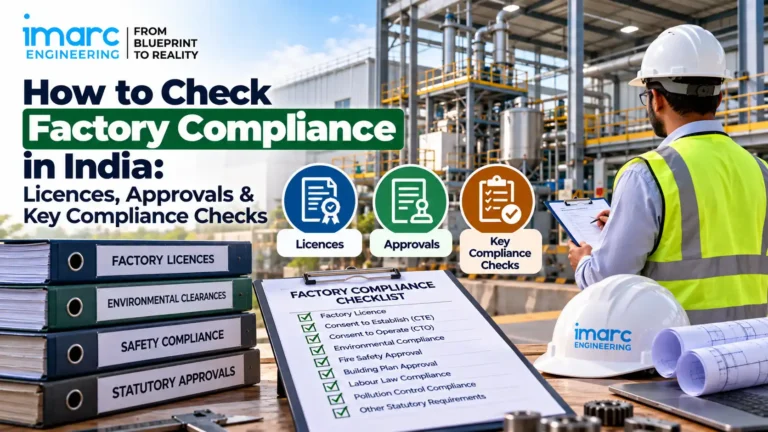
Licences and Regulatory Requirements
Starting a tempered glass manufacturing unit in India requires several approvals:
- Business registration (Proprietorship, LLP, or Private Limited Company)
- Factory Licence under the Factories Act
- Bureau of Indian Standards (BIS) certification under IS 2553 (Part 1) for safety glazing materials used in buildings and IS 14900 for automotive safety glass, as applicable to the product range
- Environmental Clearance from the State Pollution Control Board
- GST Registration
- Fire Safety NOC
- Effluent Treatment Plant (ETP) operational clearance for glass washing process water management
- Occupational Health and Safety compliance covering glass handling, cutting, and high-temperature furnace operations
- Export certification compliance for automotive or construction-grade tempered glass destined for international OEM or project supply chains
Key Challenges to Consider
High Utility Cost Intensity – Tempering Furnace Energy Demand. The tempering furnace, which must heat glass to approximately 600–700°C and maintain precise thermal uniformity across the glass panel, is one of the most energy-intensive pieces of equipment in light industrial manufacturing. Utility costs at 15–20% of total OpEx are the second-largest cost category after raw materials. Managing furnace energy costs through natural gas utilisation, optimised furnace loading, and energy recovery systems is a critical operational priority for margin management.
Float Glass Price Volatility and Quality Consistency Management. Float glass – accounting for 65–75% of total OpEx – is subject to price movements driven by energy cost fluctuations in the primary glass manufacturing process and soda ash commodity dynamics. Maintaining consistent substrate quality across batches from multiple suppliers is essential for production yield management, as optical defects or surface variations in the float glass input directly affect tempered glass product quality outcomes.
High Breakage Risk During Handling and Transportation. Tempered glass is fragile in its pre-tempered state and cannot be cut, drilled, or shaped after tempering. Any substrate damage prior to tempering results in complete loss of material value. Post-tempering, transportation of finished panels requires specialised padded A-frame vehicles and careful handling protocols to minimise transit breakage and customer delivery damage – adding to logistics cost and complexity relative to non-fragile building materials.
Safety Glass Certification and Quality Compliance. Supplying tempered glass to construction and automotive markets requires BIS certification under applicable safety glazing standards, fragmentation test compliance verification, and in the automotive channel, vehicle OEM-specific quality system approvals. Maintaining these certifications across product range expansions and ongoing production batches adds to quality system overhead and testing infrastructure requirements.
Competition from Established Domestic and International Producers. The Indian market is served by established domestic processors and imports from large-scale international producers including Asahi Glass, Guardian Industries, and NSG. New entrants must compete on product quality, customisation capability, lead time responsiveness, and – for premium segments – the technical capability to produce specialised products such as curved tempered glass, Low-E coated glass, and anti-microbial screen protector glass.
Skilled Manpower for Precision Glass Processing. Operating tempering furnaces, automated cutting and edging systems, and optical inspection equipment requires technicians trained in glass processing technology, furnace control systems, and safety glazing quality standards. Sourcing and retaining qualified glass processing personnel presents a challenge in locations outside established glass manufacturing clusters in Gujarat and Andhra Pradesh.
Frequently Asked Questions
1. How much does it cost to set up a tempered glass manufacturing plant in India?
The total cost depends on plant capacity (5–20 million sq.m. per annum), tempering furnace technology, location, and automation level. CapEx covers land, high-bay industrial civil construction, and machinery including glass cutting machines, edging machines, washing and drying systems, tempering furnaces, quenching systems, inspection units, and packaging equipment, along with pre-operative and regulatory costs.
2. Is tempered glass manufacturing profitable in India in 2026?
Yes. With gross margins of 30–40% and net margins of 15–22%, supported by strong multi-sector demand across construction, automotive, consumer electronics, and furniture sectors, a global market growing at 4.6% CAGR toward USD 89.14 billion by 2034, and active domestic investment including Optiemus Infracom’s Noida production facility launched in August 2025, the investment presents a strong profitability case.
3. What machinery is required for a tempered glass manufacturing plant in India?
Key equipment includes glass cutting machines, edging machines, washing and drying systems, tempering furnaces, quenching systems, inspection units, and packaging equipment.
4. What licences and approvals are required to start a tempered glass manufacturing plant in India?
Required approvals include business registration, Factory Licence, BIS certification under IS 2553 and IS 14900 as applicable, Environmental Clearance, GST Registration, Fire Safety NOC, ETP operational clearance, and Occupational Health and Safety compliance.
5. What raw materials are needed for tempered glass manufacturing?
The primary raw material is float glass, which serves as the substrate for all tempering operations. Additional process inputs include cleaning chemicals for the washing stage, packaging materials (foam, interleaving paper, crating materials), and optional coating materials for value-added product variants.
6. What are the environmental compliance requirements for a tempered glass manufacturing plant in India?
Environmental Clearance from the State Pollution Control Board is required, along with an operational effluent treatment plant for managing glass washing process water streams, compliance with air emission standards for furnace exhaust management, and adherence to solid waste management rules for glass cullet disposal and recycling.
7. What is the best location to set up a tempered glass manufacturing plant in India?
States with proximity to domestic float glass production – such as Gujarat and Andhra Pradesh – combined with access to construction sector buyer networks, automotive OEM clusters, and consumer electronics manufacturing hubs – such as Noida (Uttar Pradesh), Pune (Maharashtra), and Chennai (Tamil Nadu) – offer the best combination of raw material access, logistics connectivity, and multi-sector buyer proximity for tempered glass manufacturing investment.
8. What is the break-even period for this type of plant in India?
The break-even period depends on plant scale, capacity utilisation, product mix across construction, automotive, and electronics segments, and float glass and energy procurement cost management. A full NPV and IRR analysis incorporating sensitivity testing for float glass price and energy tariff movements is recommended for investment-grade financial planning.
9. What government incentives are available for tempered glass manufacturers in India?
Make in India incentives, PLI scheme benefits for glass and building materials manufacturing where applicable, state-level industrial incentive schemes in Gujarat and Maharashtra, construction sector procurement preferences for domestically produced safety glass under government infrastructure projects, and export promotion support through engineering and building materials export councils provide relevant financial and market access support for qualifying investments.
Key Takeaways for Investors
A tempered glass manufacturing plant in India represents a commercially well-grounded investment backed by a global market valued at USD 59.42 billion in 2025 and growing at 4.6% CAGR toward USD 89.14 billion by 2034, structural demand across construction, automotive, consumer electronics, and furniture sectors, and direct validation through India-based production launches including Optiemus Infracom’s RhinoTech brand from its Noida facility in August 2025. Financial viability is demonstrated across a production capacity range of 5 to 20 million sq.m. per annum, with gross margins of 30–40% and net margins of 15–22% achievable under competitive float glass procurement and efficient furnace operations. With India’s infrastructure investment pipeline accelerating – validated by major international investors including Actis doubling its INR 17,500 crore India commitment as of October 2025 – and the consumer electronics, automotive, and smart building sectors all maintaining consistent tempered glass procurement requirements, the long-term demand sustainability and commercial opportunity for Indian tempered glass manufacturers are comprehensively and multiply well-supported throughout the decade ahead.
About the Author