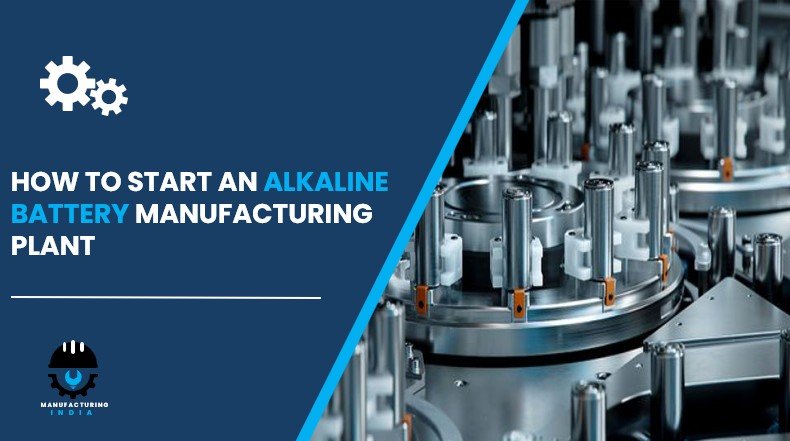
Setting up an alkaline battery manufacturing plant in India represents a highly attractive investment proposition underpinned by robust and structurally growing demand for portable power solutions across consumer electronics, household appliances, healthcare devices, industrial equipment, and defense applications. Alkaline batteries continue to displace conventional zinc-carbon batteries owing to their higher energy density, longer shelf life, superior leak resistance, and stronger performance in high-drain devices. As wireless peripherals, smart home devices, toys, remote controls, flashlights, medical instruments, and other portable electronic products proliferate globally, and as governments push domestic battery manufacturing and import substitution, alkaline battery manufacturing occupies an increasingly strategic position in the consumer electronics and industrial power supply chain. This growth trajectory, combined with steady raw material availability and improving battery chemistry technology, creates a highly favourable manufacturing environment for new entrants with efficient formulation, assembly, and quality control systems.
What is an Alkaline Battery?
An alkaline battery is a primary, non-rechargeable electrochemical battery that generates electrical energy through a chemical reaction between a zinc anode and a manganese dioxide cathode using an alkaline potassium hydroxide electrolyte. Compared with zinc-carbon batteries, alkaline batteries offer higher capacity, longer operating life, better low-temperature performance, and improved reliability in high-drain electronic devices.
Commercial manufacturing of alkaline batteries involves raw material preparation, electrode formulation, steel can fabrication, component assembly, electrolyte filling, sealing, aging, electrical testing, quality inspection, and packaging. Alkaline batteries are widely used across consumer electronics, medical devices, industrial equipment, toys, security systems, flashlights, and home appliances owing to their consistent performance and extended shelf life.
The India alkaline battery market was valued at approximately USD 260.21 Million in 2025 and is expected to reach USD 355.36 Million by 2034, exhibiting a CAGR of 3.5% from 2026 to 2034, supported by rising adoption of portable electronic devices, expanding domestic manufacturing initiatives, and technological advancements in battery chemistry.
Cost of Setting Up an Alkaline Battery Manufacturing Plant
The total capital investment required to establish an alkaline battery manufacturing plant is shaped by several key parameters: annual production capacity (typically ranging from 100 to 500 million cells per annum), the level of automation across electrode preparation, cell assembly, and testing lines, facility specification, raw material sourcing strategy, and applicable regulatory and safety compliance requirements. Below is a structured breakdown of the major cost components.
1. Capital Expenditure (CapEx)
Total capital investment in an alkaline battery manufacturing plant covers the following major heads:
Land and Site Development
This encompasses land acquisition or lease, site preparation, boundary development, and utilities connectivity. Site selection should prioritise proximity to raw material suppliers and target consumer electronics and industrial markets to minimise inbound and outbound logistics costs. Access to reliable power supply, process water, strong road and rail logistics, availability of a trained workforce, and proximity to component and packaging suppliers are critical site selection criteria. Compliance with industrial zoning regulations, hazardous chemical storage norms applicable to potassium hydroxide handling, fire safety norms, and effluent and emission compliance frameworks must be assessed from project initiation.
Civil Works and Construction
Building costs cover the main production facility including the electrode material preparation section, cathode and anode mixing area, steel can fabrication and cell assembly lines, electrolyte filling and sealing section, aging and conditioning area, electrical testing and quality inspection laboratory, automated packaging and dispatch infrastructure, administrative block, and utility infrastructure including power backup, compressed air systems, water treatment, and effluent treatment plant. Construction must comply with applicable factory act requirements, fire and safety norms for hazardous chemical handling areas, and industry-specific infrastructure guidelines.
Machinery and Equipment
Machinery represents the single largest CapEx component. Key equipment required for an alkaline battery manufacturing plant includes:
- Cathode and Anode Preparation Systems: High-precision mixing and blending machines for formulating manganese dioxide and graphite/carbon black cathode material and zinc alloy powder anode gel to achieve uniform consistency and particle distribution
- Zinc Gel Preparation Systems: Equipment for preparing the zinc alloy powder anode gel mixed with sodium polyacrylate gelling agent and electrolyte to precise viscosity and composition specifications
- Steel Can Forming Machines: High-speed stamping and forming systems that fabricate nickel-plated steel cans used as the outer casing and cathode current collector for each cell
- Electrode Filling Machines: Automated systems for depositing and compacting cathode material into the steel can and inserting the separator and anode gel in precise layered sequence
- Separator Insertion Equipment: Precision equipment for inserting non-woven PVA or rayon separators between cathode and anode to prevent internal short-circuiting while allowing ionic conduction
- Electrolyte Filling Systems: Automated dosing systems for filling each cell with potassium hydroxide aqueous electrolyte solution under controlled volume and concentration
- Sealing and Crimping Machines: High-speed sealing and crimping equipment that hermetically seals each cell to prevent electrolyte leakage and contamination during subsequent handling and use
- Aging Conveyors: Controlled-environment conveyor systems that hold sealed cells for a defined aging period to stabilise electrochemical properties before testing
- Leak Testing Equipment: Automated inspection systems that detect electrolyte leakage or seal defects in finished cells prior to electrical testing
- Electrical Performance Testing Systems: Systems for verifying voltage, internal resistance, and capacity of each cell against performance specifications
- Automated Inspection and Labelling Machines: Vision-based inspection systems combined with labelling and printing machines for batch coding, branding, and traceability
- Automated Packaging Lines: Blister packing, shrink-wrapping, and cartoning lines for retail packs, along with bulk packaging for institutional and export dispatch
- Material Handling and Process Control Systems: Conveyors, automated material handling systems, and computerised process control systems for monitoring and coordinating production across all stages
Other Capital Costs
These include pre-operative expenses, commissioning charges, import duties on specialised cell assembly and testing equipment, staff training and competency development, initial raw material and consumable inventory for production commissioning, regulatory compliance setup including factory licensing, BIS certification, and Extended Producer Responsibility (EPR) registration under battery waste management regulations, and ISO 9001 / ISO 14001 management system establishment costs.
Request a Sample Report for In-Depth Market Insights: https://www.imarcgroup.com/alkaline-battery-manufacturing-plant-project-report/requestsample
2. Operational Expenditure (OpEx)
Raw materials principally electrolytic manganese dioxide, graphite/carbon black, potassium hydroxide aqueous solution, zinc alloy powder, nickel-plated steel can, non-woven PVA/rayon separator, and sodium polyacrylate gelling agent constitute the dominant operating cost, typically representing 55–65% of total OpEx. Utility costs, driven primarily by electricity consumption of mixing, forming, and testing equipment, account for 10–14% of OpEx. Transportation, packaging, labour, depreciation, taxes, and other overhead costs constitute the remainder of the operating cost base.
3. Plant Capacity
The proposed alkaline battery manufacturing facility is designed with an annual production capacity ranging between 100–500 million cells, enabling economies of scale while maintaining operational flexibility. This capacity range supports a diversified product portfolio across standard cell sizes serving consumer electronics, healthcare, industrial, and defense applications, catering to domestic retail, OEM, and export channels.
4. Profit Margins and Financial Projections
The project demonstrates healthy profitability potential under normal operating conditions. Financial projections encompass capital investment, operating costs, capacity utilisation ramp-up schedule, product mix across cell formats, and forward demand outlook underpinned by rising portable electronics penetration and domestic manufacturing incentives. A comprehensive feasibility analysis includes sensitivity analysis, Net Present Value (NPV), Internal Rate of Return (IRR), and Payback Period calculations. Gross profit margins for alkaline battery manufacturing typically range from 28–38%, supported by stable demand and value-added applications. Net profit margins of 10–18% are achievable with disciplined cost management, optimal capacity utilisation, and effective raw material procurement.
Why Set Up an Alkaline Battery Manufacturing Plant?
Expanding Consumer Electronics Market
High-performance alkaline batteries are in sustained demand owing to the growing use of battery-powered electronic products, including wireless keyboards and mice, remote controls, gaming accessories, and portable devices. As consumer electronics penetration deepens across both developed and emerging markets, manufacturers with reliable, high-capacity alkaline batteries are well positioned to capture this expanding demand base.
Higher Performance than Zinc-Carbon Batteries
Superior energy density, extended shelf life, and enhanced leak resistance continue to increase consumer preference for alkaline batteries over conventional zinc-carbon batteries. This performance advantage supports continued category share gains in high-drain applications such as digital cameras, gaming controllers, and medical devices, where reliability and consistent output are critical purchase criteria.
Expansion of Domestic Manufacturing
Government initiatives promoting local manufacturing and import substitution are creating significant opportunities for battery manufacturers. Reduced dependence on imported alkaline batteries strengthens domestic supply chain resilience and positions new entrants to benefit from policy support, preferential procurement, and potential capital incentives associated with domestic battery production.
Wide Range of End-Use Applications
Demand from healthcare, industrial, defense, consumer electronics, and household sectors ensures diversified market opportunities and reduces dependence on any single end-use segment. This breadth of application provides resilience against demand volatility in any one channel and supports stable capacity utilisation across the business cycle.
Rising Demand for Portable Power Solutions
Growing adoption of wireless and portable electronic devices, smart home products, and battery-operated industrial and medical equipment continues to strengthen long-term demand for alkaline batteries. According to the International Energy Agency, global electricity demand increased by around 4.3% in 2024, driven by expanding electrification, digitalisation, and greater use of electrical and electronic devices across residential, commercial, and industrial sectors, an indirect but structurally supportive demand tailwind for portable battery consumption.
Domestic Investment Momentum in Battery Manufacturing
Recent large-scale domestic investment, including Eveready Industries’ greenfield alkaline battery plant in Jammu & Kashmir, illustrates growing confidence among established players in expanding domestic alkaline battery production capacity. This investment momentum signals a maturing domestic supply ecosystem for raw materials, components, and skilled manpower that benefits new entrants establishing manufacturing capacity in the same period.
Manufacturing Process Overview
The alkaline battery manufacturing operation transforms raw electrode and casing materials into finished, tested, and packaged cells through a sequence of formulation, assembly, sealing, and quality control operations. The key process stages are:
- Raw Material Sourcing and Quality Inspection: Incoming electrolytic manganese dioxide, graphite/carbon black, zinc alloy powder, potassium hydroxide, steel can stock, separators, and gelling agent are inspected for purity, particle size, and composition to ensure consistent battery performance
- Cathode Mixing and Formulation: Manganese dioxide is blended with graphite/carbon black and a binder using high-precision mixing equipment to achieve uniform electrical conductivity and density for compaction into the steel can
- Anode Gel Preparation: Zinc alloy powder is combined with potassium hydroxide electrolyte and sodium polyacrylate gelling agent to form a stable, uniform anode gel with the required viscosity and electrochemical activity
- Steel Can Fabrication: Nickel-plated steel strip is stamped and formed into cans that serve as both the outer casing and the cathode current collector for each cell
- Cathode Filling and Compaction: Formulated cathode material is deposited into the steel can and compacted into rings to achieve the required density and electrical contact with the can wall
- Separator Insertion: A non-woven PVA or rayon separator is inserted to electrically isolate the cathode from the anode while permitting ionic conduction between the two electrodes
- Anode Gel Filling and Electrolyte Dosing: The prepared anode gel is dispensed into the separator-lined cavity and the potassium hydroxide electrolyte volume is precisely dosed to specification
- Cell Assembly and Sealing: The current collector, seal, and negative cap assembly are inserted and the cell is hermetically sealed and crimped to prevent electrolyte leakage during storage and use
- Aging and Conditioning: Sealed cells are held for a defined aging period under controlled temperature to stabilise electrochemical properties and allow early detection of defective units before final testing
- Electrical and Leak Testing: Each cell undergoes voltage, internal resistance, capacity, and leak testing to verify compliance with performance and safety specifications
- Quality Inspection and Sorting: Automated vision-based inspection systems identify surface defects, dimensional deviations, and labelling errors, with non-conforming cells rejected prior to packaging
- Labelling, Packaging, and Dispatch: Approved cells are labelled, batch-coded, and packed into blister packs, shrink-wrapped multi-packs, or bulk cartons for retail, OEM, or export distribution and stored in temperature-controlled warehousing prior to dispatch
Key Applications of Alkaline Batteries
The alkaline battery market serves several major end-use segments across consumer, healthcare, industrial, and defense sectors:
- Consumer Electronics: Alkaline batteries are extensively used in remote controls, wireless keyboards, computer mice, cameras, gaming controllers, clocks, and portable electronic devices owing to their long operating life and reliable performance
- Medical Devices: Widely utilised in thermometers, blood pressure monitors, pulse oximeters, hearing aids, and other portable medical equipment requiring dependable and consistent power
- Household Appliances: Applied in flashlights, wall clocks, smoke detectors, doorbells, toys, and numerous everyday household products that rely on long-lasting primary batteries
- Industrial and Commercial Equipment: Used in communication devices requiring steady portable power, security systems, barcode scanners, handheld measurement devices, and testing apparatus
- Defense and Emergency Equipment: Used in applications where dependability is essential, such as backup power, portable communication devices, emergency illumination, and navigation equipment
Alkaline Battery Market Outlook
The India alkaline battery market was valued at approximately USD 260.21 Million in 2025. According to IMARC Group estimates, the market is expected to reach USD 355.36 Million by 2034, exhibiting a CAGR of 3.5% from 2026 to 2034. The alkaline battery market benefits from multiple structural demand drivers:
- Rising adoption of wireless peripherals, smart home devices, toys, remote controls, flashlights, medical instruments, and other portable electronic products across urban and semi-urban households
- Superior performance characteristics of alkaline batteries relative to zinc-carbon batteries, including higher energy density, longer shelf life, and improved leak resistance, supporting continued category share gains
- Increasing government emphasis on domestic battery manufacturing and import substitution, creating favourable conditions for capacity expansion by domestic producers
- Sustained demand from healthcare, industrial, and defense end-use sectors requiring dependable, long-shelf-life primary power sources
- Technological advancements in battery chemistry, including mercury-free formulations and improved sealing systems, enhancing product safety and consumer acceptance
- Growing electrification and digitalisation trends increasing the overall base of battery-powered electronic and electrical devices in use globally
- Continued investment by established battery manufacturers in expanding domestic alkaline battery production capacity, reflecting confidence in long-term category growth
Major players in the global alkaline battery manufacturing industry include Duracell, Energizer Holdings, Panasonic Corporation, GP Batteries, Toshiba Corporation, Eveready Industries, Fujitsu Limited, Rayovac (Spectrum Brands), and Camelion Battery, serving end-use sectors including retail, telecommunications, consumer electronics, healthcare, industrial equipment, defense, and home appliances.
Latest Industry Developments
- April 2026: Eveready Industries India Ltd. inaugurated a ₹200 crore alkaline battery manufacturing plant in Samba, Jammu & Kashmir, marking India’s only operating alkaline battery manufacturing facility. The greenfield plant has a peak annual production capacity of approximately 360 million alkaline batteries and an installed capacity of 456 million units, with scope for future expansion. The investment is expected to reduce India’s dependence on imports, strengthen domestic manufacturing, improve supply chain resilience, and support Eveready’s ambition to expand its presence in domestic and international alkaline battery markets.
Licenses and Regulatory Requirements
Establishing an alkaline battery manufacturing unit requires a range of approvals and certifications, which may vary by country and jurisdiction, including:
- Business registration and company incorporation under applicable company law
- Factory License under applicable state Factories Act provisions for manufacturing operations
- BIS (Bureau of Indian Standards) certification for alkaline batteries under applicable primary battery quality and safety standards
- Consent to Establish (CTE) and Consent to Operate (CTO) from the applicable Pollution Control Board for manufacturing operations involving chemical handling and effluent generation
- Hazardous chemical storage and handling compliance for potassium hydroxide and other process chemicals used in electrolyte preparation
- Extended Producer Responsibility (EPR) registration under applicable battery waste management regulations for end-of-life battery collection and recycling obligations
- Fire safety and explosion-safety certifications applicable to chemical handling and processing areas
- ISO 9001:2015 Quality Management System Certification for quality management infrastructure compliance
- ISO 14001 Environmental Management System Certification for environmental compliance infrastructure
- Weights and Measures (Legal Metrology) registration for packaged commodity labelling and net quantity declaration
- Export-Import Code (IEC) for international market access
- Trademark and Brand Registration for proprietary branded product launch
- Occupational Health and Safety management compliance (ISO 45001 / Factories Act provisions) for manufacturing worker safety, particularly in chemical handling areas
Key Challenges to Consider
Raw Material Price Volatility
Raw materials, which account for 55–65% of total operating costs, are subject to global commodity price movements, particularly for zinc, manganese dioxide, and steel. Price volatility in these inputs can materially affect production costs and margins, requiring processors to negotiate long-term supply contracts and maintain flexible procurement strategies to manage cost exposure through commodity price cycles.
Potassium Hydroxide Handling and Process Safety
Electrolyte preparation using potassium hydroxide, a strong caustic alkali, introduces corrosion, chemical burn, and occupational health hazards that must be managed through appropriate personal protective equipment, corrosion-resistant handling systems, and rigorous safety protocols compliant with hazardous chemical handling regulations. Continuous investment in safety training and equipment maintenance is a non-negotiable operational requirement.
Battery Waste Management and Environmental Compliance
Growing regulatory focus on end-of-life battery collection and recycling under Extended Producer Responsibility frameworks requires manufacturers to establish take-back and recycling arrangements and maintain compliance documentation. Non-compliance can result in penalties and reputational risk, making early investment in EPR compliance infrastructure and reporting systems an important operational priority.
Competition from Established Brands and Imports
The alkaline battery market is dominated by well-established global and domestic brands with strong distribution networks and brand recognition. New entrants must compete on cost efficiency, quality consistency, and distribution reach, while also navigating competition from lower-cost imported batteries in price-sensitive market segments.
Quality Certification and Performance Consistency
Maintaining BIS certification and consistent electrical performance across all production batches requires disciplined process control, incoming raw material quality management, and ongoing investment in testing infrastructure. Any quality lapse, including leakage or premature capacity fade, can disrupt market access and damage brand reputation in a category where consumer trust in reliability is a key purchase driver.
Technology Transition to Mercury-Free and Advanced Chemistries
Continued industry movement toward mercury-free battery chemistries and improved sealing systems requires ongoing investment in process technology and formulation expertise. Manufacturers that fail to keep pace with evolving safety and performance standards risk losing competitiveness against more technologically advanced producers.
Frequently Asked Questions (FAQs)
1. How much does it cost to set up an alkaline battery manufacturing plant?
The total investment depends on plant capacity (100–500 million cells per annum), automation level, facility specification, location, and target market certifications. Costs cover land, civil construction (electrode preparation section, cell assembly lines, testing laboratory, utilities), machinery (mixing systems, can forming machines, filling and sealing equipment, testing systems, packaging lines), quality certifications, working capital, and regulatory compliance. A comprehensive feasibility study from IMARC Group provides detailed, capacity-specific cost estimates covering all CapEx and OpEx components.
2. Is alkaline battery manufacturing a profitable business in 2026?
Yes. Sustained demand from consumer electronics, healthcare, industrial, and defense sectors, combined with gross margins of 28–38% and net profit margins of 10–18%, make alkaline battery manufacturing financially attractive. Profitability improves further with capacity expansion and increased capacity utilisation rates.
3. What raw materials are required for alkaline battery manufacturing?
Key raw materials include electrolytic manganese dioxide and graphite/carbon black for the cathode, zinc alloy powder for the anode, potassium hydroxide aqueous solution as the electrolyte, nickel-plated steel for the can, non-woven PVA/rayon separators, and sodium polyacrylate as the gelling agent. Material purity and particle uniformity are critical for consistent battery performance.
4. What machinery and equipment are required for an alkaline battery manufacturing plant?
Key equipment includes cathode and anode mixing and blending machines, zinc gel preparation systems, steel can forming machines, electrode filling machines, separator insertion equipment, electrolyte filling systems, sealing and crimping machines, aging conveyors, leak testing equipment, electrical performance testing systems, automated inspection machines, labelling and printing machines, and automated packaging lines.
5. What licenses and approvals are required?
Required approvals include company registration, Factory License, BIS certification for alkaline batteries, Pollution Control Board clearances, hazardous chemical handling compliance for potassium hydroxide, EPR registration under battery waste management regulations, and ISO 9001/ISO 14001 management system certification. BIS certification and EPR registration are key regulatory prerequisites for manufacturing and selling alkaline batteries in India.
6. How long does it take to commission an alkaline battery manufacturing plant?
Typically, 18–30 months from project initiation to commercial production launch, depending on project scale, facility construction timeline, equipment procurement lead times, environmental clearances, safety measures, and trial run schedules, which should be initiated early in the project to avoid delays to commercial launch.
7. What is the break-even period for an alkaline battery manufacturing plant?
The break-even period generally ranges from 5 to 8 years, depending on scale, regulatory compliance costs, raw material pricing, and market demand. Efficient manufacturing, strong distribution partnerships, and export opportunities can help accelerate returns.
8. What are the main applications of alkaline batteries?
Alkaline batteries are primarily used in consumer electronics (remote controls, wireless peripherals, cameras, gaming accessories), medical devices (thermometers, blood pressure monitors, hearing aids), household appliances (flashlights, smoke detectors, toys), industrial and commercial equipment (barcode scanners, security systems), and defense and emergency equipment (backup power, portable communication devices).
9. What government incentives are available for alkaline battery manufacturers?
Processors may benefit from capital subsidies, tax exemptions, reduced utility tariffs, export benefits, and interest subsidies offered under various national or regional industrial policies promoting domestic battery manufacturing and import substitution.
10. What are the biggest challenges in starting an alkaline battery manufacturing business?
Key challenges include high capital requirements, securing regulatory and BIS approvals, ensuring consistent raw material supply, managing potassium hydroxide handling safety, meeting EPR and battery waste management compliance obligations, and competing against established domestic and international brands.
Key Takeaways for Investors
The alkaline battery manufacturing industry represents a structurally resilient and financially attractive investment opportunity positioned at the intersection of expanding consumer electronics penetration, rising domestic manufacturing incentives, and diversified end-use demand across healthcare, industrial, and defense sectors. Stable demand from consumer, medical, household, industrial, and defense channels provides resilience against single-segment demand volatility, while the superior performance profile of alkaline batteries relative to zinc-carbon alternatives support continued category share gains. India’s growing policy emphasis on domestic battery manufacturing and import substitution, illustrated by recent large-scale greenfield investment, improves the operating environment for new entrants. The scalable nature of the manufacturing process, from moderate-capacity operations to fully automated high-volume lines, allows investors to phase capital deployment according to risk appetite and target market positioning, while continued investment by established battery manufacturers in expanding domestic capacity reflects strong confidence in the long-term growth and profitability of the category.
About the Author