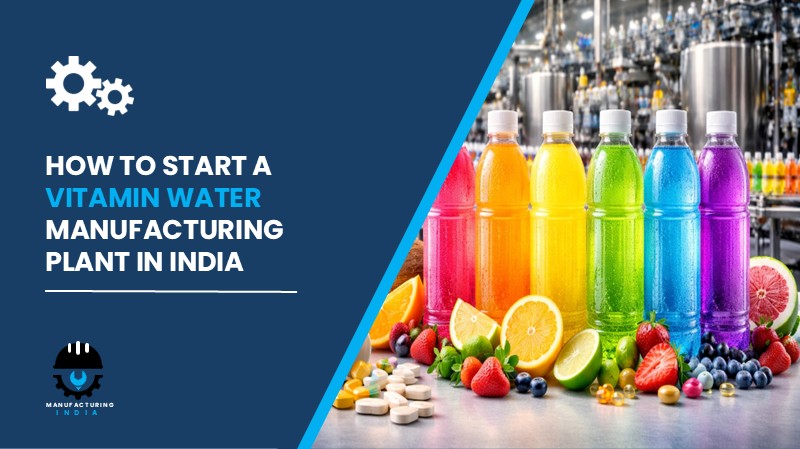
Setting up a vitamin water manufacturing plant in India presents a compelling investment case driven by the rapid expansion of the functional beverage industry, the health and wellness sector, and organised retail. As Indian consumers increasingly turn away from carbonated, sugar-heavy drinks toward beverages that deliver genuine nutritional value, vitamin water has emerged as a high-growth category that bridges the gap between hydration and supplementation. The demand from the beverage industry, health and wellness channels, and large-format retail chains is accelerating at a pace that makes domestic production not just viable but strategically essential for investors looking to capture early-mover advantage.
India’s structural advantages its growing urban middle class, the government’s Make in India initiative, an expanding cold-chain logistics network, and cost-competitive land and labour in manufacturing hubs such as Gujarat, Maharashtra, Uttar Pradesh, and Rajasthan make it an exceptionally sound base for vitamin water manufacturing. Access to raw material supply chains for purified water, vitamins, minerals, and packaging components like PET bottles is well established across these states, reducing input procurement risk and improving margin predictability. As large bottling and FMCG players deepen their low-sugar and no-sugar beverage portfolios, local manufacturers who invest in quality infrastructure now will be strongly positioned to serve both domestic retail and institutional supply lines.
India’s policy environment, cost-competitive manufacturing base, and surging consumer demand for functional hydration beverages make vitamin water production a financially viable and strategically sound investment. With gross profit margins of 40-50% and a net profit margin of 15-20%, the business model is robust across a range of plant capacities, with a break-even horizon of 4 to 8 years under normal operating conditions.
What is Vitamin Water?
Vitamin water is defined as a flavoured drink that hydrates the body and delivers additional vitamins and minerals. Typically, the beverage consists of purified water, a sweetener, and flavours sourced from either natural or synthetic origins. It is rich in nutrients such as vitamin B and C or electrolytes, providing consumers with a refreshing and health-forward alternative to plain water and conventional sugary or carbonated beverages. Because the product may contain sugar from its sweetener component, responsible consumption is an important part of its positioning in the wellness segment.
The primary production method is a multi-stage process involving mixing, filtration, bottling, and labelling. In terms of variants, formulations differ by nutrient profile some are fortified with B-complex, C, and D vitamins, while others emphasise electrolytes such as magnesium and potassium, or optional amino acids. The product serves three principal end-use industries: the beverage industry, the health and wellness sector, and retail. Key applications within these industries span ingredient supply lines, sterilisation systems, cooling coils, flavour infusion circuits, clean-in-place installations, and purified water distribution.
Cost of Setting Up a Vitamin Water Manufacturing Plant in India
The total cost of establishing a vitamin water manufacturing plant in India depends on several interconnected variables including plant capacity, production technology, geographic location, level of automation, and regulatory compliance obligations. Investors must conduct a thorough feasibility study before committing capital, as cost structures vary significantly between a greenfield unit and a brownfield expansion.
1. Capital Expenditure (CapEx)
Land and Site Development represent a substantial portion of upfront capital, covering land registration fees, boundary development, and associated civil preparation. Investors may consider locating the plant within a Special Economic Zone (SEZ) or an established industrial estate in states like Gujarat or Maharashtra, which can reduce land costs and unlock fiscal benefits.
Civil Works and Construction include the manufacturing shed, laboratory space, raw material storage godowns, finished goods warehousing, an administrative block, and utilities infrastructure. The design must accommodate clean-room norms applicable to food and beverage production, with separate zones for production, quality control, and dispatch.
Machinery and Equipment account for the largest share of CapEx. Key machinery required includes:
- Water purification systems
- Ingredient dissolving and mixing vats
- High-speed bottling lines
- Carbonation units
- Cap sealers
- Labelling machines
- Quality control laboratory instruments
Other Capital Costs include effluent treatment plant (ETP) installation, pre-operative expenses, commissioning charges, and import duties where specialised machinery is sourced internationally.
Request a Sample Report for In-Depth Market Insights: https://www.imarcgroup.com/vitamin-water-manufacturing-plant-project-report/requestsample
2. Operational Expenditure (OpEx)
Raw Material Cost is the dominant driver of operating expenses, accounting for approximately 60-70% of total OpEx. Key raw materials include: Base purified water; Fortification vitamins (B complex, C, D), minerals (electrolytes such as magnesium and potassium), and amino acids (optional); Flavouring natural fruit flavours and essences, citric acid, and sweeteners such as sugar, stevia, and sucralose; Packaging PET bottles, caps, labels, and shrink wrap. Establishing long-term supplier contracts is a recommended strategy to stabilise pricing and ensure uninterrupted supply.
Utility Cost covering electricity, water, and steam constitutes approximately 10-15% of OpEx. Vitamin water production is relatively utility-intensive at the purification and pasteurisation stages, making energy efficiency a key operational priority.
Other Operating Costs include transportation, packaging, salaries and wages, maintenance, depreciation, and applicable taxes. By the fifth year of operations, total operational costs are projected to increase substantially owing to inflation, market fluctuations, and potential rises in the cost of key input materials. Supply chain disruptions, rising consumer demand, and global economic shifts are expected to contribute to this upward trend.
3. Plant Capacity
The proposed manufacturing facility as benchmarked by industry models is designed with an annual production capacity ranging between 50 and 100 million litres, enabling economies of scale while preserving operational flexibility. Capacity can be customised based on investor requirements, and profitability improves materially with higher capacity utilisation rates. Investors entering at smaller initial capacities should plan for modular expansion as market demand grows.
4. Profit Margins and Financial Projections
The vitamin water manufacturing plant project demonstrates healthy profitability potential under normal operating conditions. Gross profit margins typically range between 40-50%, supported by stable demand and value-added product positioning. Net profit margins are projected at 15-20% on average over a five-year horizon. The financial plan must incorporate NPV (Net Present Value), IRR (Internal Rate of Return), and payback period analysis. Break-even in this business typically ranges from 4 to 8 years, depending on scale, regulatory compliance costs, raw material pricing, and market demand. Efficient manufacturing and export opportunities can help accelerate returns.
Why Set Up a Vitamin Water Plant in India?
Health and Wellness Trend Driving Consumption. Vitamin water is rapidly gaining popularity in India due to its functional health benefits, including hydration and essential nutrient delivery. The rise in consumer understanding about the importance of hydration in maintaining well-being is expected to directly increase the market for this beverage category, making India a large and high-potential demand base.
Rising Preference for Sugar-Free and Low-Sugar Products. The rise in consumption of sugar-free and low-fat drinks is expected to boost the market as consumers increasingly seek beverages that meet both health and taste requirements. Notably, Varun Beverages Pepsi’s bottling partner in India reported that its H1 2025 sales volume comprised 55% from its low sugar and no sugar drinks portfolio, demonstrating how fast India’s preference shift is materialising in actual sales data.
Consumer Demand for Convenience Beverages. With increasing preference for ready-to-drink formats, vitamin water aligns well with the busy lifestyles of urban Indian consumers seeking convenient health solutions. This strong consumer pull underpins robust market potential for the production facility.
Cost-Competitive Manufacturing Base. India offers significant cost advantages in land acquisition, construction, labour, and utility procurement relative to Western manufacturing destinations. Proximity to domestic raw material suppliers for purified water, vitamins, flavours, and PET packaging further reduces logistics overhead and strengthens margins.
Active Industry Investment and New Entrants. In January 2026, Ozop Energy Solutions, Inc. announced an agreement to acquire Varon Corp, a next-generation functional beverage platform built for culture-driven scale, rapid commercialisation, and capital-efficient growth across North America. Such developments reflect rising global investor appetite for the functional beverages space, and India stands to benefit as a lower-cost, high-growth manufacturing and consumption market.
Government Support and Local Supply Chain Preference. Government policies in many regions encourage functional beverage production due to health benefits, indirectly boosting sector demand. The Make in India initiative provides a favourable regulatory and fiscal backdrop for domestic manufacturers, while local retail and foodservice chains increasingly prefer sourcing from Indian producers to reduce import dependence and lead times.
Manufacturing Process – Step by Step
The vitamin water manufacturing process uses mixing, filtration, bottling, and labelling as the primary production method, executed across a sequence of tightly controlled unit operations.
- Water Purification: Purifying and demineralising water to remove contaminants and ensure product safety using water purification systems.
- Vitamin and Mineral Premix Preparation: Measuring and preparing vitamin and mineral premixes — including B complex, C, D vitamins and electrolytes such as magnesium and potassium — according to formulation specifications.
- Mixing and Blending: Combining purified water with sweeteners, natural fruit flavours and essences, citric acid, and nutrient blends in ingredient dissolving and mixing vats to form the base solution.
- Homogenisation and Filtration: Processing the mixture through homogenisers and filtration units to achieve uniformity, clarity, and consistent nutrient distribution.
- Pasteurisation / Sterilisation: Pasteurising or sterilising the solution to ensure microbial safety, product stability, and required shelf life.
- Filling and Sealing: Filling and sealing bottles or containers under hygienic, automated conditions using high-speed bottling lines and cap sealers.
- Labelling and Packaging: Applying labels via labelling machines and completing shrink-wrap packaging for retail-ready presentation.
- Quality Control Testing: Conducting nutrient testing, flavour consistency analysis, and shelf-life stability monitoring using quality control laboratory instruments.
- Storage and Dispatch: Storing finished products under controlled temperature conditions and dispatching to beverage industry clients, health and wellness retailers, and organised retail chains.
Key Applications
Vitamin water serves a diverse set of end-use industries, with each application demanding specific formulation and production standards.
- Beverage Formulation: Vitamin and mineral blending, flavour infusion, and functional ingredient incorporation for branded ready-to-drink products.
- Processing and Mixing: Water purification, batch mixing, and homogenisation systems supporting contract manufacturing and white-label supply.
- Packaging: Bottling lines, filling systems, caps, and labelling operations serving retail, e-commerce, and institutional supply formats.
- Quality Control: Nutrient testing, flavour consistency analysis, and shelf-life stability monitoring for regulatory compliance and export certification.
Leading Manufacturers
The global vitamin water market is served by several multinational corporations with extensive production capacities and diversified distribution networks. Key players in this industry include:
- Coca-Cola
- PepsiCo
- Nestlé
- Hint Water
- Vita Coco
These companies serve the beverage industry, health and wellness, and retail end-use sectors across international markets.
Timeline to Start the Plant
Investors should plan for a structured development timeline covering all phases from concept to commercial launch:
- Feasibility study and project report preparation
- Land acquisition and site development
- Regulatory approvals and environmental clearances
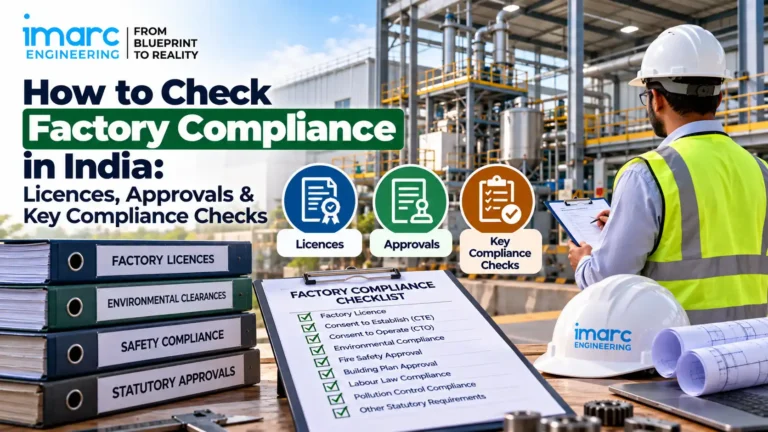
- Factory licence and fire safety compliance
- Machinery procurement and installation
- Raw material supplier agreements and supply chain setup
- Trial production and quality testing
- Commercial production launch
The overall timeline to start a vitamin water manufacturing plant typically ranges from 12 to 24 months, depending on site development progress, machinery installation lead times, environmental clearances, and trial run duration.
Licences and Regulatory Requirements
Starting a vitamin water manufacturing unit in India requires several approvals:
- Business registration (Proprietorship, LLP, or Pvt Ltd)
- Factory Licence under the Factories Act
- Environmental Clearance from State Pollution Control Board
- GST Registration
- Fire Safety NOC
- FSSAI (Food Safety and Standards Authority of India) licence for food and beverage production
- Effluent Treatment Plant (ETP) operational clearance
- Occupational Health and Safety compliance
Key Challenges to Consider
High Capital Requirements. Establishing a production facility with adequate capacity, automation, and quality control infrastructure demands significant upfront investment across land, civil works, machinery, and working capital. Securing structured financing early in the project cycle is critical.
Raw Material Price Volatility. Key inputs including vitamins (B complex, C, D), minerals such as magnesium and potassium, natural fruit flavours, citric acid, sweeteners like stevia and sucralose, and PET packaging — are subject to global price fluctuations. Long-term supplier contracts and diversified sourcing help mitigate this risk.
Regulatory Compliance. Meeting food safety, environmental, and occupational health standards across central and state regulatory bodies requires dedicated compliance infrastructure and ongoing investment in documentation, testing, and certification.
Technology and Innovation Pressure. Maintaining competitive formulations particularly in sugar-free and electrolyte-enhanced variants requires continuous product development investment as consumer preferences in the functional beverage space evolve rapidly.
Competition from Established Players. Global players such as Coca-Cola, PepsiCo, and Nestlé bring substantial distribution muscle and brand equity, making differentiation through product quality, regional flavour innovation, and pricing strategy essential for domestic manufacturers.
Skilled Manpower. Operating water purification systems, high-speed bottling lines, and quality control laboratory instruments requires trained technical staff. Workforce development and retention are ongoing operational considerations, particularly in Tier-2 manufacturing locations.
Frequently Asked Questions
1. How much does it cost to set up a vitamin water manufacturing plant in India? The total cost varies based on plant capacity, location, technology, and automation level. It includes land acquisition, civil construction, machinery procurement (water purification systems, bottling lines, mixing vats), and working capital. A detailed feasibility study and project report provide the most accurate cost estimates.
2. Is vitamin water manufacturing profitable in India in 2026? Yes. The business demonstrates healthy profitability with gross profit margins of 40-50% and net profit margins of 15-20% under normal operating conditions, driven by strong consumer demand for functional beverages.
3. What machinery is required for a vitamin water plant in India? Essential machinery includes water purification systems, ingredient dissolving and mixing vats, high-speed bottling lines, carbonation units, cap sealers, labelling machines, and quality control laboratory instruments.
4. What licences and approvals are required to start a vitamin water plant in India? Required approvals include business registration, Factory Licence, Environmental Clearance, GST Registration, Fire Safety NOC, FSSAI licence, ETP clearance, and Occupational Health and Safety compliance.
5. What raw materials are needed for vitamin water manufacturing? Key raw materials are purified water; vitamins (B complex, C, D); minerals (magnesium, potassium); amino acids (optional); natural fruit flavours and essences; citric acid; sweeteners (sugar, stevia, sucralose); and packaging materials (PET bottles, caps, labels, shrink wrap).
6. What are the environmental compliance requirements for a vitamin water plant in India? Requirements include Environmental Clearance from the State Pollution Control Board, an operational Effluent Treatment Plant (ETP), and adherence to waste management and emission standards applicable to food and beverage processing units.
7. What is the best location to set up a vitamin water plant in India? Ideal locations are industrial estates or SEZs in states such as Gujarat, Maharashtra, Uttar Pradesh, and Rajasthan that offer proximity to raw material suppliers, reliable utilities, strong transport connectivity, and favourable industrial policies.
8. What is the break-even period for this type of plant in India? Break-even typically ranges from 4 to 8 years, depending on production scale, capacity utilisation, raw material cost management, and prevailing market demand. Efficient operations and export opportunities can help shorten this timeline.
9. What government incentives are available for manufacturers in India? Governments may offer incentives such as capital subsidies, tax exemptions, reduced utility tariffs, export benefits, and interest subsidies to support manufacturing investments under national and state-level industrial promotion schemes.
Key Takeaways for Investors
The vitamin water manufacturing plant opportunity in India is underpinned by converging demand from the beverage industry, health and wellness retail, and organised distribution channels, all of which are growing at pace with India’s urbanising, health-aware consumer base. The project demonstrates strong financial viability across a range of plant capacities, with gross margins of 40-50% and net margins of 15-20% making the investment case compelling whether for a mid-scale or large-scale production unit. The global vitamin water market was valued at USD 6.67 billion in 2025 and is projected to reach USD 12.46 billion by 2034, exhibiting a CAGR of 7.2% from 2026 to 2034, signalling a long runway of sustained demand growth. With policy tailwinds, a maturing domestic supply chain for functional beverage inputs, and rising consumer preference for sugar-free and nutrient-enriched hydration products, demand sustainability for domestic vitamin water production in India is robust for the foreseeable future.
About the Author