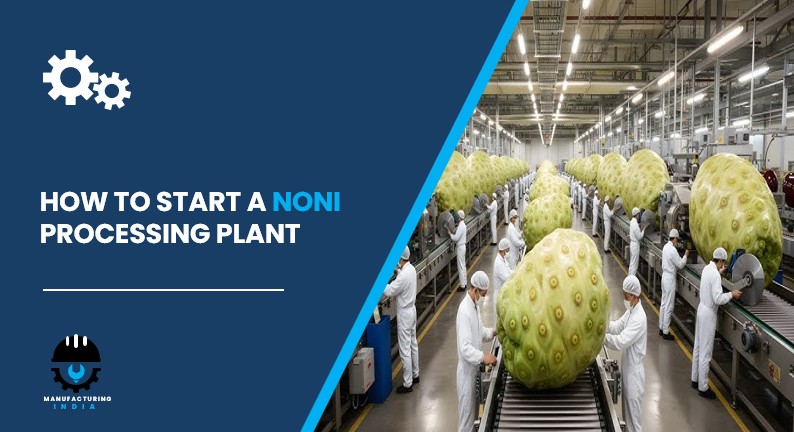
Setting up a noni processing plant in India represents a highly attractive investment proposition underpinned by robust and structurally growing demand from health-conscious consumers, the expanding nutraceutical and functional food industry, the cosmetics and skincare sector, and the herbal products market. As urbanisation accelerates, disposable incomes rise, and consumer awareness of plant-based wellness solutions grows, noni available in juice, powder, extract, and capsule forms occupies an increasingly important position across nutraceutical, cosmetic, food and beverage, and herbal applications. This growth trajectory, combined with the fruit’s wide geographic cultivation across tropical regions and strong by-product utilisation potential, creates a highly favourable manufacturing environment for new entrants with efficient extraction, processing, and quality systems.
What is Noni?
Noni (Morinda citrifolia) is a tropical fruit native to Southeast Asia, Australasia, and the Pacific Islands, known for its numerous health benefits. It has been used for centuries in traditional medicine, particularly in regions like India and the South Pacific, due to its immune-boosting, anti-inflammatory, and antioxidant properties. The fruit is rich in essential nutrients such as vitamins, minerals, alkaloids, and flavonoids, which contribute to its reputation as a powerful natural remedy for various ailments. Noni is typically consumed as juice, powder, or capsules and is believed to promote digestive health, improve skin conditions, and boost overall well-being.
Noni is processed and sold in several principal forms including juice, powder, dried fruit, extract, and capsules depending on the processing and formulation route adopted. Beyond health supplementation, the fruit is used extensively in cosmetics for its antioxidant and skin-rejuvenating properties, in functional food and beverage formulations, and in traditional herbal medicine across multiple therapeutic applications.
The global noni market was valued at approximately USD 1.07 Billion in 2025. According to IMARC Group estimates, the market is expected to reach USD 2.03 Billion by 2034, exhibiting a CAGR of 7.4% from 2026 to 2034, supported by rising health awareness, expanding nutraceutical and functional food industries, and growing consumer preference for natural and organic health products.
Cost of Setting Up a Noni Processing Plant
The total capital investment required to establish a noni processing plant is shaped by several key parameters: annual production capacity (typically ranging from 1,000 to 3,000 MT per annum), the processing route adopted (juice extraction, spray drying for powder, solvent extraction for concentrates, or capsule/tablet formulation), the level of automation across washing, extraction, pasteurisation, drying, and packaging sections, facility specification, raw material sourcing strategy, and applicable regulatory and food safety compliance requirements. Below is a structured breakdown of the major cost components.
1. Capital Expenditure (CapEx)
Total capital investment in a noni processing plant covers the following major heads:
Land and Site Development
This encompasses land acquisition or lease, site preparation, boundary development, and utilities connectivity. Site selection should prioritise proximity to noni cultivation zones to ensure a steady, low-transport-cost supply of fresh noni fruit. Access to reliable power, water, and steam generation infrastructure for the washing, extraction, pasteurisation, and drying processes, strong road logistics for inbound fruit and outbound finished products, availability of process water of suitable quality, and a trained workforce for plant operations and quality control are critical site selection criteria. Compliance with industrial zoning regulations, food safety manufacturing standards, and effluent and emission compliance frameworks must be assessed from project initiation.
Civil Works and Construction
Building costs cover the main processing facility including the fruit reception and washing area, juice extraction and pressing section, pasteurisation and concentration units, spray drying and powder processing area, extract and formulation section, automated packaging and dispatch infrastructure, quality control laboratory, administrative block, and utility infrastructure including power backup, cooling water systems, effluent treatment plant, and cold storage for raw material and finished goods. Construction must comply with applicable factory act requirements, food safety manufacturing standards, and FSSAI infrastructure guidelines for nutraceutical and food processing operations.
Machinery and Equipment
Machinery represents the single largest CapEx component. Key equipment required for a noni processing plant includes:
- Fruit Reception and Washing Systems: Fruit intake conveyors, grading equipment, high-pressure washing and cleaning systems to remove surface contaminants from incoming fresh noni fruit prior to processing
- Juice Extraction Systems: Hydraulic presses, screw presses, or belt presses for cold-pressed juice extraction from fresh or fermented noni fruit, along with pulper and finisher systems for juice clarification
- Fermentation Tanks: Stainless steel fermentation vessels with temperature control for traditional fermented noni juice production, with controlled fermentation parameters to ensure consistent product quality and bioactive compound retention
- Pasteurisation and Sterilisation Units: Continuous high-temperature short-time (HTST) or ultra-high temperature (UHT) pasteurisers and tunnel sterilisers to ensure microbiological safety and extended shelf life of noni juice products
- Concentration Systems: Falling film or rising film evaporators for producing noni juice concentrate, with vacuum operation to minimise heat damage to heat-sensitive bioactive compounds
- Spray Dryers and Powder Processing: High-capacity spray drying towers with inlet and outlet temperature control to convert noni juice concentrate into free-flowing powder, along with fluid bed dryers and powder classifiers for moisture and particle size control
- Solvent Extraction Units: Aqueous or food-grade solvent extraction equipment for producing noni leaf, root, or fruit extracts standardised to target bioactive compounds including anthraquinones and polysaccharides
- Capsule and Tablet Filling Systems: Automatic hard-shell capsule filling machines and tablet compression presses for pharmaceutical-grade nutraceutical dosage form manufacturing from noni powder and extracts
- Cold Storage and Controlled Atmosphere Storage: Refrigerated storage facilities for fresh noni fruit to prevent rapid deterioration prior to processing
- Quality Control Laboratory Equipment: HPLC, spectrophotometers, microbiological testing equipment, and other analytical instruments for testing juice pH, Brix, anthraquinone content, microbial load, and other quality parameters
- Automated Packaging Lines: Filling, capping, labelling, and sealing lines for glass bottles, PET bottles, pouches, and cartons for retail juice products; blister packing and bottle filling for capsule and tablet products; pouch and canister filling for powder products
- Material Handling and Warehousing: Conveyors, transfer pumps, finished goods warehousing with temperature-controlled storage for heat-sensitive nutraceutical products
Other Capital Costs
These include pre-operative expenses, commissioning charges, import duties on specialised extraction and formulation equipment, staff training and competency development, initial raw material and consumable inventory for production commissioning, regulatory compliance setup including FSSAI licensing, AYUSH certification for herbal products, drug manufacturing licence where applicable, Organic certification for organically sourced raw materials, and ISO 22000 / HACCP food safety management system establishment costs.
Request a Sample Report for In-Depth Market Insights: https://www.imarcgroup.com/noni-processing-plant-project-report/requestsample
2. Operational Expenditure (OpEx)
Raw materials principally fresh noni fruit procured from tropical cultivation zones, along with processing aids such as fermentation agents, excipients for capsule formulations, packaging materials, and quality testing consumables constitute the dominant operating cost, typically representing 60–70% of total OpEx. Utility costs, driven primarily by electricity consumption of extraction, pasteurisation, spray drying, and refrigeration equipment, account for 15–20% of OpEx. Labour, maintenance, quality control, packaging, transportation, depreciation, taxes, and overhead costs constitute the remainder of the operating cost base.
3. Plant Capacity
The proposed noni processing facility is designed with an annual production capacity ranging between 1,000–3,000 MT, enabling economies of scale while maintaining operational flexibility. This capacity range supports a diversified product portfolio of noni juice, noni powder, noni extract, and noni capsules/tablets, serving domestic nutraceutical, cosmetic, food and beverage, and herbal medicine markets as well as export channels.
4. Profit Margins and Financial Projections
The project demonstrates healthy profitability potential under normal operating conditions. Financial projections encompass capital investment, operating costs, capacity utilisation ramp-up schedule, product mix across juice, powder, extract, and capsule formats, and forward demand outlook underpinned by rising health-conscious consumption and functional food sector growth. A comprehensive feasibility analysis includes sensitivity analysis, Net Present Value (NPV), Internal Rate of Return (IRR), and Payback Period calculations. Gross profit margins for noni processing typically range from 50–60%, supported by stable demand, premium product positioning, and the high value-added nature of nutraceutical and cosmetic formulations. Net profit margins of 25–30% are achievable with disciplined cost management, optimal capacity utilisation, and effective multi-channel product distribution.
Why Set Up a Noni Processing Plant?
Rising Demand for Natural and Organic Health Products
With the growing shift towards organic and natural health products, noni is emerging as a popular ingredient in health supplements and cosmetic products. Scientific research has demonstrated meaningful consumer-reported health improvements from consistent noni juice consumption, with over 70% of users reporting better outcomes than other wellness products including superfruit alternatives. This positive consumer experience is driving the noni market, boosting its credibility and demand among health-conscious individuals seeking natural and effective supplements. The immune-boosting, anti-inflammatory, and antioxidant properties of noni make it an attractive ingredient for functional foods, dietary supplements, and natural skincare formulations.
Growth in Functional Foods and Nutraceutical Sector
The increasing demand for functional foods and dietary supplements that provide additional health benefits such as immune support, detoxification, and anti-aging is driving the growth of the noni market. Expanding nutraceutical and functional food sectors leveraging noni’s bioactive compounds including anthraquinones, alkaloids, and polysaccharides in health-oriented formulations are creating sustained industrial demand for noni juice, powder, and extract products across both domestic and export markets.
Expanding Cosmetics and Skincare Applications
In the cosmetics and skincare industry, noni is used in anti-aging creams, moisturisers, and serums for its antioxidant and skin-rejuvenating properties. The growing popularity of plant-based and organic skincare formulations has increased noni’s demand in premium personal care and cosmeceutical products, positioning noni processors to serve a diversified end-use base across nutraceutical, food and beverage, and cosmetic industry customers.
Consumer Awareness and Wellness Trends
As consumers become more aware of the health benefits of natural ingredients, the demand for noni-based products is rising. The wellness trend has led to increased consumption of plant-based supplements and functional skincare products, further fuelling the growth of the noni market. Additionally, the rise of e-commerce platforms has made noni products more accessible to a global audience, with direct-to-consumer digital channels enabling noni processors to reach health-conscious buyers in both established and emerging markets without dependence on traditional distribution infrastructure.
Sustainability and Ethical Sourcing Appeal
Noni is a tropical fruit often sourced from sustainable farming practices. Its biodegradable nature and relatively low environmental impact in production make it a suitable option for eco-conscious consumers looking for sustainable, plant-based solutions. The growing consumer and institutional preference for sustainably sourced, traceably certified natural ingredients provides processors with established organic and fair-trade sourcing credentials with a meaningful product differentiation and premium pricing opportunity in both nutraceutical and cosmetic channels.
Favourable Raw Material Availability and Cultivation Expansion
Noni cultivation is gaining momentum across multiple tropical regions, with active expansion in India’s coastal and southern states as well as growing production in Southeast Asia, the Pacific Islands, and Latin America. The December 2025 development in Odisha’s Balasore district, where over 100 noni trees were planted with plans to scale to 5,000 trees as part of structured medicinal farming programmes, is representative of a broader trend of organised noni cultivation expansion that is strengthening raw material supply chains and creating new income opportunities for farmers and processors alike.
Manufacturing Process Overview
The noni processing operation transforms fresh noni fruit sourced from tropical cultivation zones into juice, concentrate, powder, extract, and capsule/tablet products through a sequence of washing, extraction, pasteurisation, drying, formulation, and packaging operations. The key process stages are:
- Raw Material Reception and Grading: Fresh noni fruit received from farms or collection centres is graded for ripeness, size, and quality. Overripe, damaged, or under-specification fruit is separated. Fruit quality parameters including sugar content, moisture, and microbial load are verified on receipt.
- Washing and Cleaning: Accepted fruit is conveyed through high-pressure washing systems to remove surface dirt, pesticide residues, and microbial contamination prior to processing.
- Juice Extraction and Pressing: Washed noni fruit is processed through hydraulic or screw presses for cold-pressed juice extraction. In fermented noni juice production, whole fruit is placed in fermentation tanks for controlled fermentation over defined periods to develop characteristic flavour and bioactive profiles, followed by pressing and juice separation.
- Pasteurisation: Extracted noni juice undergoes HTST or UHT pasteurisation to achieve commercial sterility and extended shelf life while minimising heat damage to heat-sensitive bioactive compounds. Tunnel sterilisation is used for filled and sealed consumer packages.
- Concentration: For concentrate production, pasteurised juice is processed through vacuum evaporators to reduce water content and produce noni juice concentrate of defined Brix levels suitable for further formulation or export.
- Spray Drying and Powder Production: Noni juice concentrate is spray dried into free-flowing powder using atomisation and controlled drying conditions. The resulting noni powder is milled, classified by particle size, and tested for moisture content, solubility, and bioactive compound retention before packaging.
- Extract Production: Noni fruit, leaf, or root material is processed through aqueous or food-grade solvent extraction to produce standardised extracts for nutraceutical and cosmetic applications. Extracts are concentrated, spray dried or liquid-packed, and tested for target compound content.
- Capsule and Tablet Formulation: Noni powder or extract is blended with excipients and filled into hard-shell capsules or compressed into tablets using pharmaceutical-grade equipment, with in-process quality checks for fill weight, disintegration, hardness, and microbiological compliance.
- Quality Control: All intermediate and finished products are tested for juice pH, Brix, anthraquinone content, microbial load, heavy metals, pesticide residues, moisture, and other parameters to verify compliance with FSSAI, AYUSH, and applicable international quality and safety standards before release for packaging.
- Packaging and Dispatch: Noni juice is packed in glass or PET bottles, pouches, and cartons for retail and institutional sale. Noni powder is packed in foil pouches and canisters. Capsules and tablets are blister-packed or bottled. By-product streams including noni seed oil (from pressed seeds) are separately processed and dispatched to cosmetic industry buyers.
Key Applications of Noni
The noni processing market serves several major end-use segments across nutraceutical, cosmetic, food and beverage, and herbal medicine sectors:
- Nutraceuticals: Noni is widely used in the nutraceutical industry for its health benefits. It is commonly found in dietary supplements such as immune boosters, anti-inflammatory formulations, and energy drinks, leveraging its anthraquinone, alkaloid, and polysaccharide content.
- Cosmetics and Skincare: In the cosmetic and skincare industry, noni is used in anti-aging creams, moisturisers, and serums for its antioxidant and skin-rejuvenating properties, serving premium personal care and cosmeceutical brand customers.
- Food and Beverages: Noni is becoming increasingly popular in the food and beverage industry, particularly in the form of functional juices, smoothies, and wellness shots. Its purported detoxifying and digestive benefits make it a sought-after ingredient in health drinks and wellness beverage formulations.
- Herbal Products: Noni has been traditionally used in herbal medicine for its anti-inflammatory and digestive aid properties. In traditional healing practices, noni is used to treat ailments such as skin infections, fever, and joint pain, with demand from Ayurvedic, traditional Chinese medicine, and other herbal product manufacturers.
Global Noni Market Outlook
The global noni market was valued at approximately USD 1.07 Billion in 2025. According to IMARC Group estimates, the market is expected to reach USD 2.03 Billion by 2034, exhibiting a CAGR of 7.4% from 2026 to 2034. The noni market benefits from multiple structural demand drivers:
- Rising health awareness and growing consumer preference for natural, plant-based health products in the nutraceutical, cosmetic, and beverage industries
- Continued expansion of the global nutraceutical and functional food sectors, with sustained institutional demand for clinically credible natural ingredients with documented health benefits
- Growing consumer and formulator adoption of noni across anti-aging skincare, immune support, and digestive health product categories
- Expanding e-commerce and direct-to-consumer digital distribution channels improving global market access for noni products without traditional distribution infrastructure dependency
- Rising cultivation and raw material supply chain development across tropical regions including India, Southeast Asia, the Pacific Islands, and Latin America, improving feedstock availability and pricing stability for processors
- Increasing interest in sustainably sourced and organically certified natural ingredients from nutraceutical, cosmetic, and functional food brand customers seeking clean-label formulation credentials
- Growing scientific validation of noni’s bioactive compound content and health benefit claims, improving regulatory acceptance and consumer confidence in noni-based health products
Major players in the global noni processing industry include Airenherbals, Altos Enterprises Private Limited, Amrith Noni, Kapiva by Adret Retail, and Grenera Nutrients PVT Ltd, serving end-use sectors including nutraceuticals, cosmetics and skincare, food and beverages, and herbal products.
Latest Industry Developments
December 2025: Noni cultivation is gaining momentum in Odisha’s Balasore district, where farmers in the Remuna block began growing the medicinal fruit in a planned manner for the first time. After successful climate trials, over 100 noni trees have been planted, with plans to scale up to 5,000 trees, creating a new income source through the sale of fruit, seeds, and processed products like juice. This revival of traditional medicinal farming is boosting both health awareness and rural livelihoods, signalling growing opportunities in the noni processing and export market.
Licences and Regulatory Requirements
Establishing a noni processing unit requires a range of approvals and certifications, which may vary by country and jurisdiction, including:
- Business registration and company incorporation under applicable company law
- Factory Licence under applicable state Factories Act provisions for manufacturing operations
- FSSAI (Food Safety and Standards Authority of India) Licence for manufacturing and sale of noni juice, powder, and food supplement products
- AYUSH Licence from the Ministry of Ayurveda, Yoga & Naturopathy, Unani, Siddha and Homoeopathy for production of herbal and Ayurvedic formulations containing noni
- Drug Manufacturing Licence under Schedule M of the Drugs and Cosmetics Act, where noni products are manufactured and marketed as pharmaceutical or drug-category supplements
- Organic Certification from APEDA (Agricultural and Processed Food Products Export Development Authority) or international organic bodies (USDA NOP, EU Organic, etc.) for organically sourced and certified noni products
- Pollution Control Board Clearances – Consent to Establish (CTE) and Consent to Operate (CTO) for manufacturing operations involving fruit processing and effluent generation
- ISO 22000 / HACCP Food Safety Management System Certification for food safety infrastructure compliance
- ISO 9001:2015 Quality Management System Certification for quality management infrastructure compliance
- Weights and Measures (Legal Metrology) registration for packaged commodity labelling and net quantity declaration
- Export-Import Code (IEC) for international market access
- GMP (Good Manufacturing Practices) Certification for nutraceutical and dietary supplement manufacturing
- Trademark and Brand Registration for proprietary branded product launch
Key Challenges to Consider
Raw Material Supply Consistency and Fruit Quality
Fresh noni fruit, which accounts for 60–70% of total operating costs, is a perishable tropical commodity whose availability, quality, and active compound content can vary significantly depending on growing region, seasonal conditions, and post-harvest handling practices. Securing long-term supply arrangements with noni farmers located in close proximity to the processing facility and investing in cold storage and rapid intake processing infrastructure are critical operational priorities to ensure consistent raw material quality and minimise losses from spoilage.
Regulatory Complexity Across Multiple Product Categories
Noni products span multiple regulatory categories food and beverage, nutraceutical, herbal medicine, and cosmetic each with distinct licensing requirements under FSSAI, AYUSH, Drugs and Cosmetics Act, and cosmetics regulations. Navigating this multi-regulatory landscape and ensuring that products are correctly classified and compliant across all target distribution channels requires dedicated regulatory expertise and ongoing compliance monitoring as regulatory frameworks evolve.
Consumer Education and Market Development
While noni awareness is growing among health-conscious consumers, the market remains at an early mainstream adoption stage in many geographies outside established noni markets like India, Southeast Asia, and the Pacific Islands. Building consumer awareness of noni’s documented health benefits, establishing credible clinical claims, and differentiating branded noni products from commodity supplements requires sustained investment in consumer education, digital marketing, and scientific communication.
Quality Certification and Food Safety Compliance
Maintaining FSSAI licensing, AYUSH certification, organic certification, and food safety management system certifications requires ongoing investment in quality laboratory infrastructure, process monitoring, and surveillance audit preparedness. Producing noni products that consistently meet juice pH, Brix, anthraquinone content, microbial safety, and heavy metal specifications across all production batches requires disciplined process control and incoming raw material quality management.
Premium Positioning and Competitive Pressure from Substitute Superfruits
Noni competes in the broader superfruit and functional ingredient market against well-established alternatives such as amla, turmeric, moringa, and acai, all of which have strong brand recognition and established retail presence. Differentiating noni-based products on specific health benefit claims, product quality credentials, and sustainable sourcing narratives is essential to maintain premium pricing and resist substitution by lower-cost superfruit alternatives in both nutraceutical and functional food channels.
Frequently Asked Questions (FAQs)
1. How much does it cost to set up a noni processing plant?
The total investment depends on plant capacity (1,000–3,000 MT per annum), the processing route adopted (juice extraction, spray drying, solvent extraction, or capsule/tablet formulation), automation level, facility specification, location, and target market certifications. Costs cover land, civil construction (fruit reception area, extraction and pasteurisation section, spray dryer, formulation area, cold storage, quality laboratory, utilities), machinery (presses, pasteurisers, spray dryers, capsule fillers, packaging lines), quality certifications, working capital, and regulatory compliance. A comprehensive feasibility study from IMARC Group provides detailed, capacity-specific cost estimates covering all CapEx and OpEx components.
2. Is noni processing a profitable business in 2026?
Yes. Sustained demand from health-conscious consumers, the expanding nutraceutical, cosmetic, and functional food sectors, and strong e-commerce-driven consumer access combined with gross margins of 50–60% and net profit margins of 25–30% make noni processing financially attractive. The premium positioning of noni-based nutraceutical and cosmetic products relative to commodity food ingredients supports above-average margin capture for processors with strong quality credentials and brand-building investment.
3. What machinery and equipment are required for a noni processing plant?
Key equipment includes fruit reception and grading systems, high-pressure washing lines, hydraulic or screw presses for juice extraction, fermentation tanks for fermented noni juice production, HTST/UHT pasteurisers, vacuum concentration evaporators, spray drying systems, solvent extraction units for extract production, capsule filling machines and tablet presses for nutraceutical dosage forms, quality control laboratory equipment, cold storage facilities, and automated packaging lines for bottles, pouches, canisters, and blister packs.
4. What licences and approvals are required?
Required approvals include company registration, Factory Licence, FSSAI Licence for food and nutraceutical products, AYUSH Licence for herbal and Ayurvedic formulations, Drug Manufacturing Licence where applicable, Organic Certification for organically sourced products, Pollution Control Board clearances, GMP Certification, and ISO 22000/HACCP food safety management system certification. FSSAI licensing is a mandatory legal prerequisite for manufacturing and selling food and nutraceutical products in India.
5. How long does it take to commission a noni processing plant?
Typically, 12–18 months from project initiation to commercial production launch, depending on project scale, facility construction timeline, equipment procurement lead times for pasteurisation and drying systems, regulatory approvals, and FSSAI and AYUSH licensing timelines, which should be initiated early in the project to avoid delays to commercial launch.
6. What are the key raw materials for noni processing?
The primary raw material is fresh noni fruit sourced from tropical cultivation zones, which must be processed promptly after harvest to prevent microbial deterioration. Other key inputs include fermentation agents for fermented noni juice production, excipients for capsule and tablet formulations, packaging materials including glass and PET bottles, pouches, blister packs, and bulk drums, and quality testing consumables and laboratory reagents.
7. What is the break-even period for a noni processing plant?
The break-even period generally depends on capacity utilisation ramp-up trajectory, the product mix between juice, powder, extract, and dosage form products, raw material supply consistency, and distribution channel development pace. Securing long-term noni fruit supply agreements and stable offtake arrangements with nutraceutical brands, cosmetic manufacturers, and functional food companies significantly improves revenue predictability and supports faster break-even achievement.
8. What are the main product forms from noni processing and their applications?
The principal product forms are noni juice (fresh-pressed or fermented, for retail and institutional nutraceutical use), noni powder (spray-dried from juice concentrate, for supplement and functional food formulation), noni extract (standardised for target bioactive compounds, for nutraceutical and cosmetic ingredient use), and noni capsules and tablets (for direct-to-consumer dietary supplement retail). Value-added by-products include noni seed oil recovered from pressed seeds for cosmetic applications.
9. What government incentives are available for noni processors?
Processors may benefit from food processing sector incentive schemes, state-level industrial investment incentives and capital subsidies for agro-processing units, infrastructure support under food parks and mega food park schemes, AYUSH sector development incentives for herbal product manufacturers, and export promotion benefits for nutraceutical and herbal product exports. Active government support for medicinal plant cultivation expansion, including structured farming programmes in states like Odisha, is improving raw material supply chain development for noni processors.
10. How does noni processing compare to other tropical fruit processing in terms of setup?
Compared to conventional tropical fruit processing such as mango or pineapple, noni processing benefits from significantly higher product value driven by nutraceutical and cosmetic applications and a premium pricing environment, but requires specialised pasteurisation, spray drying, and in some cases pharmaceutical-grade formulation infrastructure not typical of standard fruit juice processing. The multi-regulatory compliance landscape spanning food, nutraceutical, herbal, and cosmetic categories also requires dedicated compliance management capability that exceeds the regulatory requirements of standard fruit processing operations.
Key Takeaways for Investors
The noni processing industry represents a structurally resilient and financially attractive investment opportunity positioned at the intersection of rising global health consciousness, expanding nutraceutical and functional food sectors, and the premium natural cosmetics revolution. Strong gross margins of 50–60% and net margins of 25–30% reflect the premium value-added positioning of noni products relative to commodity food and agricultural processing, while stable demand from nutraceutical, cosmetic, food and beverage, and herbal medicine channels provides resilience against single-segment demand volatility. The expanding global e-commerce ecosystem is democratising access to noni products for health-conscious consumers worldwide, removing traditional geographic and distribution barriers that previously constrained market development. Growing scientific validation of noni’s health benefit claims and expanding raw material supply chain development across tropical cultivation regions are simultaneously strengthening market credibility and feedstock economics. The scalable nature of noni processing operations from juice extraction to integrated powder and nutraceutical formulation allows investors to phase capital deployment according to risk appetite and target market positioning, while the favourable regulatory environment for Ayurvedic, herbal, and natural health products in key markets including India reflects strong structural tailwinds for noni-based product categories.
About the Author