Setting up a rubber seed oil processing plant in India presents a compelling investment case anchored in the country’s substantial natural rubber cultivation base, growing industrial demand for bio-based raw materials, and rising policy and commercial interest in renewable, plantation-derived oils. Rubber seed oil – extracted from the seeds of Hevea brasiliensis rubber trees – is a non-edible vegetable oil with a high unsaturated fatty acid content that makes it a versatile and cost-effective feedstock for biodiesel, soaps, alkyd resins, paints, surface coatings, lubricants, and oleochemical derivatives. India’s natural rubber belt – concentrated in Kerala, Karnataka, Tamil Nadu, and the northeastern states – generates large volumes of rubber seeds annually as plantation byproduct, creating a cost-advantaged and largely underutilised raw material base that processing investors can access at competitive rates.
The strategic rationale for establishing this facility in India is further strengthened by growing industrial demand across the biofuel, soaps and detergents, paints and coatings, and cosmetics and personal care sectors, all of which are scaling their consumption of renewable, bio-based inputs. India’s push toward circular economy models, the Make in India initiative, and the broader national emphasis on value-addition to agricultural and plantation waste products create a favourable policy environment for rubber seed oil processing investment. The oil’s ability to reduce dependence on petroleum-derived industrial inputs aligns directly with India’s sustainability and energy security priorities, giving domestic producers a structural commercial advantage over the medium and long term.
A rubber seed oil processing plant in India transforms underutilised plantation waste into a high-value industrial oil with gross margins of 40–55% and net margins of 20–30% – among the most attractive profitability profiles in the agri-processing sector. With the global rubber seed oil market projected to reach USD 2,020.04 million by 2034, and India positioned at the heart of Asia’s rubber-producing belt, this investment combines feedstock cost advantage, diverse end-use demand, and strong financial returns for investors committed to bio-based industrial inputs.
What is Rubber Seed Oil?
Rubber seed oil is a non-edible vegetable oil extracted from the seeds of rubber trees of Hevea brasiliensis. The oil is obtained through mechanical pressing or solvent extraction processes and has a high unsaturated fatty acid content, including linoleic and oleic acids. The natural toxins present in rubber seed oil make it unsafe for human consumption, but the oil finds widespread use across industrial applications. It functions as an essential raw material for the production of biodiesel, soaps, alkyd resins, paints, surface coatings, lubricants, and oleochemical derivatives.
Rubber seed oil processing also functions as an effective method to utilise rubber plantation waste, helping to maintain circular economy systems while managing resources sustainably. The primary production method covers rubber seed cleaning and drying, mechanical oil extraction or solvent extraction, crude oil filtration, degumming, neutralisation, bleaching, deodorisation, and final packaging. The product serves end-use industries including the biofuel industry, soaps and detergents industry, paints and coatings industry, cosmetics and personal care industry, and the industrial lubricants sector.
Cost of Setting Up a Rubber Seed Oil Processing Plant in India
The total cost of establishing a rubber seed oil processing plant in India depends on production capacity, extraction technology (mechanical pressing vs. solvent extraction), plant location, automation level, and regulatory compliance requirements.
1. Capital Expenditure (CapEx)
The capital investment required to set up this processing facility covers several major cost heads. Land and site development – including land registration, boundary development, drainage, and related site infrastructure – forms a substantial portion of total CapEx. Investors should consider locating the unit in close proximity to India’s rubber-growing regions in Kerala or Karnataka to minimise rubber seed transportation costs and ensure consistent raw material throughput, particularly given the seasonal nature of rubber seed availability. Industrial estates and agro-processing zones in these states offer additional infrastructure support.
Civil works and construction costs cover the seed receiving and storage shed, drying and cleaning area, oil extraction hall, refining unit, quality control laboratory, effluent treatment zone, finished goods storage, and administrative block. The facility layout must accommodate both mechanical extraction lines and refining equipment, with adequate fire safety provisions given the flammable nature of solvent extraction operations where applicable.
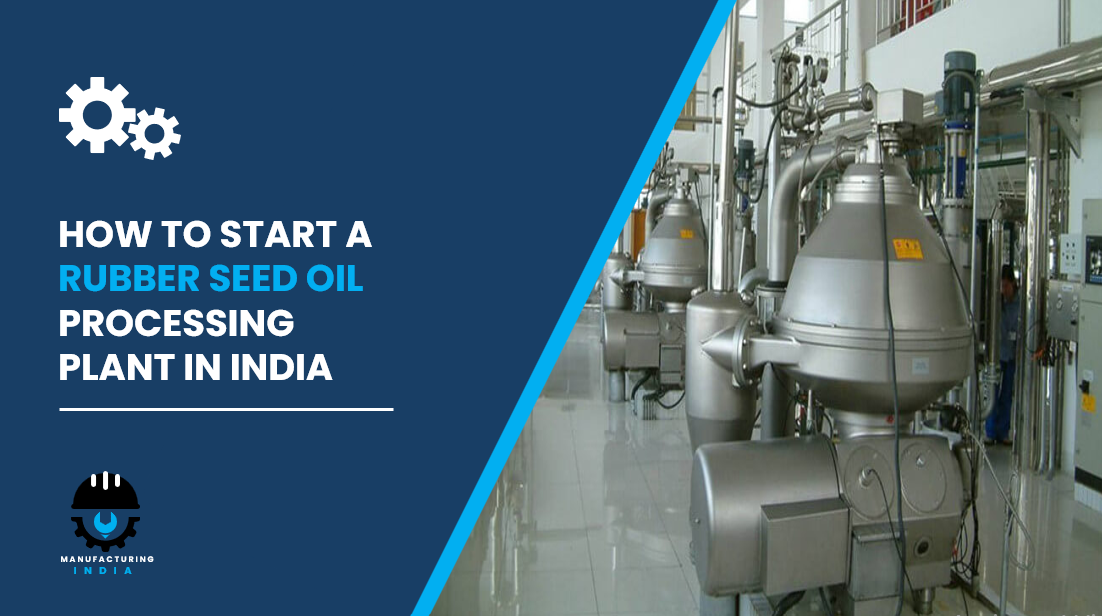
Machinery and equipment represent the largest component of total capital expenditure for this rubber seed oil processing plant. Key machinery required includes:
- Seed cleaners
- Dryers
- Oil expellers (mechanical pressing) or solvent extractors
- Filtration units
- Refining systems (degumming, neutralisation, bleaching, and deodorisation units)
- Packaging equipment
Other capital costs include effluent treatment plant (ETP) installation for wastewater from seed washing and refining operations, solvent recovery systems (where solvent extraction is employed), pre-operative and commissioning expenses, and utility connection charges for electricity, water, and steam supply.
Request a Sample Report for In-Depth Market Insights: https://www.imarcgroup.com/rubber-seed-oil-processing-plant-project-report/requestsample
2. Operational Expenditure (OpEx)
The operating cost structure of a rubber seed oil processing plant is primarily driven by raw material procurement.
Raw material cost — covering rubber seeds sourced from Hevea brasiliensis plantations – accounts for approximately 40–50% of total OpEx. Unlike many agri-processing segments where raw material accounts for a significantly higher share of costs, rubber seeds are available as a low-cost plantation byproduct, which is a key driver of the segment’s strong gross margins. Investors should negotiate long-term supply agreements with rubber plantation owners and cooperatives in Kerala, Karnataka, and Tamil Nadu to stabilise procurement costs and ensure year-round supply continuity across harvest seasons.
Utility costs, covering electricity, water, and steam required for seed drying, solvent extraction, and oil refining operations, account for 20–25% of OpEx – reflecting the moderate thermal energy demands of the multi-stage refining process.
Other operating costs include transportation and logistics for finished oil dispatch to industrial buyers, packaging materials, salaries and wages, maintenance and repairs of extraction and refining equipment, depreciation of fixed assets, and applicable taxes. By the fifth year of operations, total operational costs are projected to increase substantially due to inflation, market fluctuations, rising rubber seed collection and transportation costs, and increasing demand from bio-based industrial end-users.
3. Plant Capacity
The proposed processing facility is designed with an annual production capacity of 1,000 MT, enabling economies of scale while maintaining operational flexibility. Capacity can be customised based on specific investor requirements, available rubber seed supply in the target sourcing region, and capital availability. Profitability and unit economics improve with higher capacity utilisation, and the relatively lower raw material cost base – compared to other vegetable oil segments – creates a favourable margin structure even at smaller scale.
4. Profit Margins and Financial Projections
The rubber seed oil processing plant demonstrates exceptionally strong profitability potential under normal operating conditions – among the highest in the agri-processing sector. Gross profit margins typically range between 40–55%, supported by low-cost feedstock availability, diverse industrial end-use demand, and the premium pricing commanded by refined and specialty-grade rubber seed oil in paints, coatings, and cosmetics applications. Net profit margins are projected in the range of 20–30%. Key financial indicators including NPV, IRR, payback period, liquidity analysis, and sensitivity analysis are covered comprehensively in the full project report.
Why Set Up a Rubber Seed Oil Processing Plant in India?
Value Addition to Agricultural Plantation Waste. Processing rubber seeds transforms unused plantation byproduct waste into valuable commercial oil products, creating an entirely new revenue stream for both the processor and rubber plantation operators. India’s large and well-established natural rubber cultivation base in Kerala, Karnataka, Tamil Nadu, and the northeast generates abundant rubber seed volumes annually that are currently largely unprocessed.
Growing Demand for Bio-Based Industrial Inputs. The market for rubber seed oil is growing because businesses across biodiesel production, soaps manufacturing, paints and coatings formulation, and oleochemicals are actively transitioning toward renewable materials and sustainable resources as feedstock alternatives to petroleum-derived inputs. As per data reported by the European Commission in 2025, the bioeconomy – valued at nearly EUR 2.7 trillion and contributing around 5% of EU GDP – supported 17.1 million jobs, directly driving interest and investment in renewable feedstocks such as rubber seed oil globally.
Diverse Industrial Applications Across Multiple Sectors. Multiple sectors use rubber seed oil, which creates a distributed market base rather than dependence on a single application or buyer category. The biofuel, soaps and detergents, paints and coatings, cosmetics and personal care, and industrial lubricants industries all represent active and growing demand channels, providing resilience against sector-specific demand downturns.
Cost-Effective Raw Material Availability in India. The main rubber-producing areas of India provide rubber seeds at affordable rates as plantation byproduct, giving domestic processors a structural feedstock cost advantage relative to non-rubber-producing geographies. This low-cost input base, combined with robust industrial demand, is a primary driver of the segment’s 40–55% gross margin profile.
Support for Circular Economy Models and Sustainability. Processing rubber seeds reduces plantation waste while improving the financial performance of rubber cultivation operations, making this investment directly aligned with India’s circular economy objectives and the growing preference among industrial buyers for sustainably sourced bio-based inputs. Advancing research in rubber seed oil derivatives — including epoxidised rubber seed oil (ERSO) for tanning and polymer applications as reported in October 2025 findings from Bangladesh Council of Scientific and Industrial Research further expands the addressable value-added product market.
Research and Innovation Expanding High-Value Applications. In December 2024, research findings presented at the 8th Mechanical Engineering, Science and Technology International Conference highlighted an optimised in-situ epoxidation route for rubber seed oil using peroxyacids, supporting polymer and modified industrial oil production. This active R&D pipeline signals a broadening application base for rubber seed oil derivatives, creating future premium product opportunities beyond conventional extraction for forward-looking processors.
Manufacturing Process – Step by Step
The rubber seed oil processing plant uses rubber seed cleaning and drying, mechanical oil extraction or solvent extraction, crude oil filtration, degumming, neutralisation, bleaching, deodorisation, and final packaging as the primary production method. The process involves multiple unit operations, material handling stages, and quality verification checkpoints throughout.
- Rubber Seed Receipt and Cleaning: Rubber seeds are received from plantation suppliers, inspected for quality, and cleaned using seed cleaners to remove soil, husks, and foreign matter before processing.
- Drying: Cleaned seeds are passed through dryers to reduce moisture content to optimal levels for oil extraction, improving both yield and shelf stability of the extracted oil.
- Mechanical Oil Extraction or Solvent Extraction: Dried seeds are pressed using oil expellers to extract crude rubber seed oil through mechanical pressing, or subjected to solvent extraction processes using food-grade solvents to maximise oil yield from the seed cake.
- Crude Oil Filtration: Extracted crude oil is passed through filtration units to remove seed debris, fine particles, and suspended impurities before entering the refining stage.
- Degumming: Crude filtered oil undergoes degumming to remove phospholipids and gums through hydration or acid treatment, improving oil clarity and downstream processability.
- Neutralisation: Free fatty acids are removed from the oil using alkali neutralisation to reduce acidity, producing neutralised oil suitable for high-quality industrial and cosmetic applications.
- Bleaching: Neutralised oil is treated with bleaching earth or activated carbon to remove colour pigments, residual trace metals, and oxidation products, producing a lighter, cleaner oil fraction.
- Deodorisation: Refined oil is steam-deodorised under vacuum to remove volatile compounds, odours, and residual flavour components, producing a neutral, high-quality refined rubber seed oil.
- Quality Control and Testing: Finished oil is tested for acid value, iodine value, peroxide value, fatty acid composition, and purity parameters against applicable industrial and export quality specifications.
- Packaging and Dispatch: Approved refined rubber seed oil is packaged in drums, barrels, or IBC containers and dispatched to biodiesel producers, soap manufacturers, alkyd resin formulators, paints and coatings companies, cosmetics manufacturers, and industrial lubricant producers.
Key Applications
The rubber seed oil processing plant serves multiple industrial sectors with growing demand for renewable, bio-based oil inputs:
- Biofuel Industry: Rubber seed oil serves as a renewable feedstock for biodiesel production, producing better fuel characteristics and decreasing reliance on petroleum-based fuels.
- Soaps and Detergents Industry: The oil serves as a primary component for soap production because of its fatty acid content and emulsifying properties.
- Paints and Coatings Industry: Rubber seed oil helps produce alkyd resin, which enhances film formation and increases the strength and appearance quality of surface coatings.
- Cosmetics and Personal Care Industry: Refined grades of the oil are used in skincare and haircare product formulations because of their emollient and conditioning properties.
- Industrial Lubricants Sector: The oil’s oleochemical properties make it suitable for use in industrial-grade lubricant formulations as a bio-based alternative to mineral oil inputs.
Leading Processors
The global rubber seed oil industry is served by several multinational companies with extensive processing and distribution capabilities. Key players include:
- Total S.A.
- Shell International B.V.
- Raj Petro Specialities P. Ltd.
- Petro China Company Limited
- Nynas AB
Timeline to Start the Plant
- Feasibility study and project report preparation
- Land acquisition and site development
- Regulatory approvals and environmental clearances
- Factory licence and fire safety compliance
- Machinery procurement and installation
- Raw material supplier agreements and supply chain setup
- Trial production and quality testing
- Commercial production launch
Licences and Regulatory Requirements
Starting a rubber seed oil processing unit in India requires several approvals:
- Business registration (Proprietorship, LLP, or Pvt Ltd)
- Factory Licence under the Factories Act
- Environmental Clearance from State Pollution Control Board
- GST Registration
- Fire Safety NOC
- Solvent storage and handling compliance under the Petroleum Act (applicable where solvent extraction is employed)
- Hazardous chemical compliance for solvent and effluent management
- Effluent Treatment Plant (ETP) operational clearance
- Occupational Health and Safety compliance
Key Challenges to Consider
High Capital Requirements. Machinery costs – including oil expellers or solvent extraction systems, multi-stage refining equipment (degumming, neutralisation, bleaching, and deodorisation units), and associated solvent recovery infrastructure — constitute the largest CapEx component and require careful financial planning and access to institutional or government-backed funding.
Raw Material Price Volatility. Rubber seeds, which account for 40–50% of total OpEx, are subject to seasonal availability fluctuations and plantation yield variability. Establishing long-term supply contracts with rubber plantation cooperatives in Kerala and Karnataka is essential to maintain consistent throughput and protect margins during supply-constrained periods.
Regulatory Compliance. Meeting State Pollution Control Board environmental clearance requirements, ETP operational standards, solvent storage compliance under the Petroleum Act, and hazardous chemical handling norms for solvent-based extraction operations involves ongoing compliance investment and documentation obligations.
Technology and Innovation Pressure. Advancing research into value-added rubber seed oil derivatives — including epoxidised rubber seed oil (ERSO) and modified polymer inputs as highlighted by recent academic findings in October 2025 and December 2024 – requires processors to monitor the R&D landscape and consider investing in derivative product capabilities to capture emerging premium market opportunities.
Competition. Global players such as Total S.A., Shell International B.V., Petro China Company Limited, and Nynas AB maintain strong positions in the industrial oil and lubricants markets where rubber seed oil competes. Domestic Indian processors must leverage feedstock proximity, lower logistics costs, and bio-based positioning to establish competitive commercial relationships with industrial buyers.
Skilled Manpower. Operating multi-stage oil refining systems – including neutralisation, bleaching, and deodorisation units — to consistent product quality specifications requires technically trained personnel, which can present sourcing and retention challenges in plantation-belt locations that may lack established industrial operator skill pools.
Frequently Asked Questions
1. How much does it cost to set up a rubber seed oil processing plant in India? Total investment depends on production capacity (1,000 MT annually as a baseline), extraction technology (mechanical pressing vs. solvent extraction), location relative to rubber-growing regions, and automation level. Key cost components include land and site development, civil construction, machinery (seed cleaners, dryers, oil expellers or solvent extractors, filtration units, refining systems, and packaging equipment), utilities, and working capital. A detailed project report provides capacity-specific CapEx and OpEx estimates.
2. Is rubber seed oil processing profitable in India in 2026? Yes – it represents one of the most profitable agri-processing opportunities available. The facility demonstrates gross profit margins of 40–55% and net profit margins of 20–30% under normal operating conditions, driven by low-cost rubber seed feedstock availability and strong industrial demand for refined bio-based oil.
3. What machinery is required for a rubber seed oil processing plant in India? Key equipment includes seed cleaners, dryers, oil expellers or solvent extractors, filtration units, and multi-stage refining systems covering degumming, neutralisation, bleaching, and deodorisation units, along with packaging equipment.
4. What licences and approvals are required to start a rubber seed oil processing plant in India? Required approvals include business registration, Factory Licence under the Factories Act, Environmental Clearance from the State Pollution Control Board, GST registration, Fire Safety NOC, solvent and petroleum compliance (where applicable), hazardous chemical handling certification, ETP operational clearance, and Occupational Health and Safety certification.
5. What raw materials are needed for rubber seed oil processing? The primary and only raw material is rubber seeds sourced from Hevea brasiliensis rubber tree plantations. The seeds are available as agricultural byproduct from rubber cultivation operations in Kerala, Karnataka, Tamil Nadu, and India’s northeastern rubber-growing states.
6. What are the environmental compliance requirements for a rubber seed oil processing plant in India? Operators must obtain Environmental Clearance, maintain an operational Effluent Treatment Plant to manage wastewater from seed washing and refining operations, comply with State Pollution Control Board guidelines on effluent discharge, and meet solvent emission and storage standards under the Petroleum Act where solvent extraction processes are employed.
7. What is the best location to set up a rubber seed oil processing plant in India? Ideal locations offer direct proximity to rubber seed supply sources within India’s natural rubber cultivation belt. Kerala is the most advantageous state given its dominant share of India’s rubber production and plantation density, with Karnataka and Tamil Nadu also offering strong feedstock access. Locating the facility within or near agro-processing industrial estates in these states provides additional infrastructure support and regulatory facilitation.
8. What is the break-even period for this type of plant in India? Break-even depends on production capacity, rubber seed procurement costs, refining technology efficiency, capacity utilisation, and prevailing market pricing for refined rubber seed oil. The combination of low feedstock costs and high gross margins – 40–55% – supports a relatively short payback period compared to other oil processing investments. A detailed project report provides specific break-even and payback period projections.
9. What government incentives are available for manufacturers in India? Rubber seed oil processors in India may benefit from agro-processing investment subsidies under state-level industrial promotion policies in Kerala and Karnataka, capital subsidies for food and non-food agricultural processing, tax exemptions, reduced utility tariffs in agro-industrial estates, and export-linked benefits for refined oil exports. Make in India and bio-economy support schemes may provide additional incentives for producers targeting international bio-based industrial markets.
Key Takeaways for Investors
The rubber seed oil processing plant opportunity in India is underpinned by the convergence of low-cost feedstock availability from India’s substantial rubber plantation base, robust multi-sector industrial demand from biodiesel, soaps, paints, coatings, cosmetics, and lubricants industries, and a global bio-based economy that is actively accelerating its shift away from petroleum-derived inputs. The financial profile is among the strongest in the agri-processing sector, with gross margins of 40–55% and net margins of 20–30%, supported by the cost advantage of rubber seeds as a plantation byproduct and the premium pricing achievable in value-added refining and derivative applications. The global rubber seed oil market, valued at USD 1,313.35 million in 2025, is projected to reach USD 2,020.04 million by 2034 at a CAGR of 4.9%, confirming a sustained and growing demand trajectory. As research into epoxidised and polymer-grade rubber seed oil derivatives advances and India’s bio-industrial ecosystem matures, this processing facility is positioned to capture both current bulk industrial demand and emerging premium derivative markets with equal strategic effectiveness.
About the Author