Setting up a glucometer manufacturing plant in India represents a highly compelling investment opportunity driven by the accelerating global burden of diabetes, growing adoption of home-based diagnostic devices, and surging demand for point-of-care testing solutions across healthcare settings. As digital health ecosystems expand and preventive healthcare awareness intensifies, glucometers — with their precision glucose measurement, user-friendly design, and compatibility with smartphone platforms — have become indispensable medical devices for both individual self-monitoring and clinical diagnostics globally. This growth trajectory, combined with expanding end-use sectors such as home healthcare, hospital diagnostics, clinical laboratories, and point-of-care testing, creates a highly favourable environment for new glucometer manufacturing entrants.
What is a Glucometer?
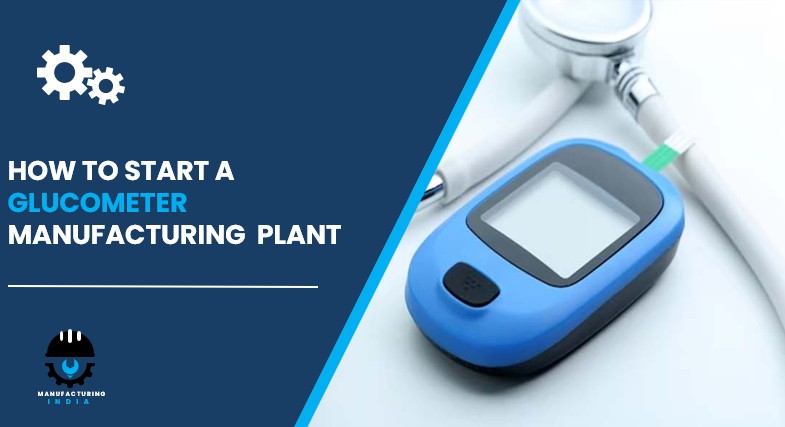
A glucometer is a compact electronic medical device used to measure glucose concentration in blood samples, typically obtained through a finger-prick method. It operates using electrochemical or photometric principles, wherein disposable test strips react with blood glucose to generate a measurable signal that is converted into a digital reading. Modern glucometers integrate advanced sensors, microprocessors, and display units to provide fast, accurate, and user-friendly glucose monitoring. These devices are essential for diabetes management, enabling individuals and healthcare professionals to track blood sugar levels, adjust medication, and prevent complications through timely intervention.
Cost of Setting Up a Glucometer Manufacturing Plant
The total cost of establishing a glucometer manufacturing plant is influenced by several key parameters: production capacity, degree of automation, cleanroom requirements, plant location, raw material sourcing strategy, and applicable regulatory and quality compliance requirements. Below is a structured breakdown of all major cost components.
1. Capital Expenditure (CapEx)
Total capital investment in a glucometer manufacturing plant covers the following major heads:
Land and Site Development
This includes land acquisition or lease, site preparation, boundary development, land registration, and utilities connectivity. Site selection should prioritize proximity to electronic components suppliers including PCB manufacturers, sensor and enzyme chemical distributors, and packaging material vendors. Reliable power infrastructure with backup systems, cleanroom-grade HVAC and utility supply, strong logistics corridors for both inbound raw materials and outbound finished goods, and access to a skilled electronics and biomedical manufacturing workforce are critical selection criteria. Compliance with industrial zoning regulations, medical device manufacturing standards, and environmental requirements is essential from the outset.
Civil Works and Construction
Building costs encompass the main production facility including cleanroom assembly areas (ISO Class 7 or 8), sensor fabrication zones, PCB assembly and testing sections, raw material and component storage, finished goods storage and dispatch, quality control and calibration laboratory, administrative block, utility infrastructure (HVAC, cleanroom conditioning systems, water treatment, compressed air), and worker amenities. Construction must comply with applicable medical device manufacturing facility standards, Good Manufacturing Practice (GMP) requirements, and environmental regulations.
Machinery and Equipment
Machinery represents the single largest component of CapEx. Key equipment required for a glucometer manufacturing plant includes:
- Cleanroom Assembly Stations (for precision device assembly under controlled contamination conditions)
- Automated Screen Printers for Electrode Deposition (for accurate biosensor electrode fabrication on test strip substrates)
- Laser Cutting Systems (for precision cutting of test strip substrates and device components)
- Calibration and Testing Units (automated systems for device accuracy verification and quality validation)
- Strip Sealing and Packaging Systems (for hermetic test strip sealing and blister/foil packaging)
- PCB Assembly and Soldering Equipment (SMT line, reflow ovens, wave soldering systems)
- Display Unit Assembly and Integration Lines (for LCD/digital display assembly)
- Quality Control Analyzers (blood glucose reference analyzers, statistical process control systems)
- Final Product Packaging Lines (carton erectors, labelers, serialization systems)
- Laboratory Analytical Equipment (reference glucometers, statistical analyzers, calibration standards)
- Environmental Monitoring Systems (cleanroom particle counters, humidity and temperature loggers)
- Material Handling Equipment (ESD-safe conveyor systems, component trays, storage systems)
Other Capital Costs
These include pre-operative expenses, commissioning charges, import duties on specialized cleanroom and testing equipment, staff training costs, initial component and consumable inventory for commissioning, regulatory compliance setup including device registration, GMP certification, and quality system establishment costs.
Request a Sample Report for In-Depth Market Insights: https://www.imarcgroup.com/glucometer-manufacturing-plant-project-report/requestsample
2. Operational Expenditure (OpEx)
Once the plant is commissioned, the ongoing cost structure is driven by the following key components:
Raw materials — principally test strips (enzymes, chemicals, and substrate materials), meter components (PCB, display, housing), lancets, batteries, and packaging materials — constitute the dominant operating cost, typically representing 50–60% of total OpEx. Utility costs, driven primarily by cleanroom HVAC systems, testing equipment, lighting, and environmental monitoring, account for 10–15% of OpEx. Labor, maintenance, quality control, packaging, transportation, and overhead costs constitute the remainder of the operating cost base.
3. Plant Capacity
The proposed glucometer manufacturing facility is designed with an annual production capacity ranging between 1–5 Million Units, enabling economies of scale while maintaining operational flexibility. This capacity supports a diversified product portfolio of standard blood glucose monitors, advanced Bluetooth-enabled glucometers, and test strip consumables across self-monitoring of blood glucose (SMBG), hospital diagnostic, and point-of-care end-use segments.
4. Profit Margins and Financial Projections
The project demonstrates strong profitability under normal operating conditions. Financial projections should encompass capital investment, operating costs, capacity ramp-up schedule, pricing strategy by product tier (standard vs. connected devices), and forward demand outlook. A comprehensive analysis should include sensitivity analysis, Net Present Value (NPV), Internal Rate of Return (IRR), and Payback Period calculations. Gross margins for glucometer manufacturing typically range from 55–65%, supported by the high value-added nature of the product and the recurring revenue stream from test strip consumables. Net profit margins of 25–35% are achievable with disciplined cost management and optimal capacity utilization.
Why Set Up a Glucometer Manufacturing Plant?
Essential Healthcare Device
Glucometers are indispensable tools for diabetes management, making them a non-discretionary medical product with consistent demand regardless of economic cycles. The International Diabetes Federation projects that new cases of diabetes will continue rising year after year, reaching 853 million people by 2050. As the primary instrument enabling self-monitoring of blood glucose (SMBG), glucometers occupy a critical and structurally protected position within the global medical devices market, with demand driven by clinical necessity rather than discretionary consumer spending.
Recurring Revenue Model
The glucometer business model benefits from a highly attractive razor-and-blades revenue structure, wherein the ongoing consumption of disposable test strips generates continuous, high-margin revenue streams beyond one-time device sales. This consumable-driven revenue model provides significant revenue visibility, customer lock-in through device-strip compatibility, and superior lifetime customer value compared to one-time device sales models, positioning glucometer manufacturers for sustained long-term profitability.
Alignment with Healthcare Megatrends
Rising diabetes incidence, aging global populations, increased preventive healthcare awareness, and the global shift toward home-based and point-of-care diagnostics are accelerating demand for portable diagnostic devices including glucometers. Technological advancements such as enzyme-based biosensors, Bluetooth-enabled data transfer, and smartphone integration are driving product upgrading cycles and expanding total addressable market across both developed and emerging market healthcare systems.
Policy and Healthcare Push
Government programs promoting early diabetes diagnosis, digital health infrastructure, affordable medical device access, and domestic medical device manufacturing are directly supporting glucometer market expansion. In India, policy initiatives under the National Health Mission, Ayushman Bharat, and Production Linked Incentive (PLI) schemes for medical devices provide direct financial and regulatory support for domestic manufacturers, reducing reliance on imported devices from established multinational suppliers.
Supply Chain Localization Opportunity
Healthcare systems, hospital networks, and government procurement agencies are increasingly prioritizing domestic, reliable medical device suppliers to ensure consistent product quality, reduce lead times, avoid import dependency, and stabilize device and consumable pricing. This localization trend is creating structural opportunities for domestic glucometer producers with strong quality management systems, regulatory compliance capabilities, and reliable supply chain management, particularly in markets currently dependent on imported devices.
Growth of Asia-Pacific Healthcare Infrastructure
Asia-Pacific is expected to remain the fastest-growing region for glucometer demand, supported by large and growing diabetic populations, improving healthcare infrastructure, expanding health insurance coverage, and government initiatives promoting early disease detection and digital health monitoring. India, China, Southeast Asia, and the Middle East represent particularly high-growth opportunities for domestic glucometer manufacturers capable of delivering quality-assured products at competitive price points tailored to local healthcare economics.
Megatrend Alignment with Digital and Connected Health
The global healthcare industry is transitioning toward connected health ecosystems, with Bluetooth-enabled glucometers, smartphone-linked continuous glucose monitoring solutions, and cloud-based diabetes management platforms growing faster than the overall glucometer market. These premium technology categories command higher average selling prices and superior margins, creating opportunities for manufacturers capable of integrating digital connectivity features, proprietary data management applications, and telehealth integration into their glucometer product platforms.
Manufacturing Process Overview
The glucometer manufacturing process is a precision electronics and biosensor fabrication operation that transforms electronic components, biosensor materials, and housing components into high-accuracy blood glucose monitoring devices through controlled assembly, calibration, and quality testing operations. The key process stages are:
- Test Strip Fabrication: Substrate materials (PET film) undergo screen printing of electrode layers (carbon, silver-silver chloride) using automated printers, followed by enzyme coating (glucose oxidase or glucose dehydrogenase), spacer lamination, cover foil application, and laser cutting to produce finished test strips at high throughput.
- PCB Assembly: Printed circuit boards undergo SMT component placement, reflow soldering, and functional testing to produce the core measurement and display control electronics for the glucometer device.
- Device Assembly: PCB, display unit, battery compartment, test strip port, and housing components are assembled in cleanroom conditions. Automated assembly stations ensure consistent connector alignment, component seating, and structural integrity.
- Calibration: Each assembled glucometer undergoes automated calibration against certified glucose reference standards. Calibration data are encoded into device firmware or calibration chips to ensure accuracy across the device’s operational glucose measurement range.
- Software Integration: Device firmware, user interface programming, Bluetooth connectivity modules, and data logging functions are integrated and verified. Connected glucometer models undergo smartphone app pairing and data transmission validation.
- Quality Testing: Completed devices undergo comprehensive quality testing including measurement accuracy validation across glucose concentration ranges, temperature and humidity performance testing, electrical safety testing, drop and durability testing, and shelf-life validation. Statistical process control systems monitor production quality in real time.
- Packaging: Approved glucometers and test strip packs are assembled with lancets, lancing devices, user manuals, and warranty documentation into retail-ready cartons. Serialization and traceability labeling systems ensure full product traceability from production to end-user.
Key Applications of Glucometer
The glucometer market serves several major end-use segments across healthcare, diagnostics, and point-of-care channels. Self-monitoring of blood glucose (SMBG) in the home healthcare setting represents the largest single application segment, enabling diabetic individuals to track blood glucose levels, adjust insulin dosing, and manage dietary and lifestyle interventions. Hospital and clinical diagnostic settings use glucometers for rapid bedside glucose testing, surgical monitoring, intensive care unit management, and neonatal blood glucose monitoring. Point-of-care testing clinics, pharmacy health screening services, and mobile health camps deploy glucometers for community-level diabetes screening and early diagnosis programs. Clinical laboratory settings use reference-grade glucometers and analyzers for quality control and calibration verification. Insurance and telehealth platforms are increasingly integrating connected glucometers for remote patient monitoring, digital therapeutics, and chronic disease management programs. Corporate wellness programs and health checkup services are growing additional application channels for glucometer devices.
Global Glucometer Market Outlook
The global glucometer market size was valued at USD 33.60 Billion in 2025. According to IMARC Group estimates, the market is expected to reach USD 100.94 Billion by 2034, exhibiting a CAGR of 13.0% from 2026 to 2034. Globally, the glucometer market benefits from multiple structural demand drivers:
- Accelerating prevalence of diabetes and prediabetes globally, with the International Diabetes Federation projecting 853 million diabetic individuals worldwide by 2050
- Growing adoption of home-based and self-monitoring healthcare practices reducing dependence on hospital-based diagnostics
- Rapid technological advancement in biosensor technology, Bluetooth connectivity, and smartphone integration expanding product adoption
- Rising healthcare expenditure and insurance coverage expanding access to glucometer devices in emerging markets
- Government programs promoting early diabetes diagnosis, preventive healthcare, and affordable medical device access
- Asia-Pacific expected to remain the fastest-growing region driven by large diabetic populations and improving healthcare infrastructure
Major global players in the glucometer industry include Roche Diagnostics, Abbott Laboratories, Ascensia Diabetes Care, LifeScan, and B. Braun, serving home healthcare, hospital diagnostic, clinical laboratory, and point-of-care end-use sectors across all major markets.
Licenses and Regulatory Requirements
Establishing a glucometer manufacturing unit requires a range of approvals and certifications, which may vary by country and jurisdiction, including:
- Business registration and company incorporation
- Factory License under applicable labor and manufacturing laws
- Medical Device Manufacturing License under applicable national medical device regulations (e.g., CDSCO approval under MDR 2017 in India; FDA 510(k) clearance or CE marking in export markets)
- ISO 13485:2016 Quality Management System Certification for Medical Devices
- Good Manufacturing Practice (GMP) compliance certification
- ISO 15197 Accuracy Standard compliance for blood glucose monitoring systems
- Pollution Control Board Clearances — Consent to Establish (CTE) and Consent to Operate (CTO)
- Fire Safety Certificate and NOC from local fire authority
- ISO 14001 Environmental Management System Certification
- CE Marking (for European market access) or FDA 510(k) clearance (for US market access)
- Export-Import Code (IEC) for international market access
- Electrical Inspector Approval for high-capacity process equipment installations
- Occupational Health and Safety management compliance (ISO 45001) for manufacturing operations
Key Challenges to Consider
Raw Material and Component Supply Chain Complexity
Glucometer manufacturing involves a complex multi-tier supply chain encompassing specialized biosensor enzymes and chemicals, precision electronic components (microprocessors, displays, Bluetooth modules), test strip substrate materials, housing components, and packaging materials. Many critical components — particularly biosensor enzymes, precision ICs, and display modules — are sourced from specialized global suppliers with limited domestic alternatives. Managing component availability, lead times, quality consistency, and price stability across this complex supply chain is a critical operational and strategic challenge, particularly during periods of global component shortages or logistics disruptions.
Regulatory Complexity and Device Registration
Glucometers are classified as medical devices subject to stringent regulatory oversight across all major markets. Device registration processes involve comprehensive technical dossier preparation, clinical performance evaluation studies demonstrating compliance with ISO 15197 accuracy standards, quality system audits by regulatory authorities, and post-market surveillance obligations. Regulatory approval timelines can extend 12–24 months or more for new device registrations, representing a meaningful lead time between production readiness and commercial launch authorization.
Measurement Accuracy and Quality Consistency
Glucometer performance is critically dependent on biosensor electrode fabrication consistency, enzyme coating uniformity, test strip dimensional accuracy, device calibration precision, and environmental performance stability. Manufacturing processes that fail to maintain consistent biosensor sensitivity, accuracy across glucose concentration ranges, or device-strip compatibility create warranty exposure, regulatory non-compliance risk, and potentially serious patient safety consequences. Investment in robust statistical process control, in-line quality monitoring, and rigorous calibration systems is non-negotiable.
Intellectual Property and Technology Access
Key glucometer technologies including biosensor electrode designs, enzyme stabilization formulations, measurement algorithms, and Bluetooth data integration platforms are protected by extensive patent portfolios held by established multinational medical device companies. New entrants must carefully navigate freedom-to-operate analysis, develop proprietary technology platforms, or license core technologies to avoid infringement, which may require significant R&D investment, technology licensing costs, or both.
Customer and Healthcare System Qualification
New glucometer producers must undergo formal qualification processes with hospital procurement committees, government health ministry approved vendor lists, insurance panel approvals, and pharmacy distribution chains. These qualification processes involve clinical performance validation studies, regulatory documentation review, pricing negotiations, and reference site establishment. Achieving approved supplier status with major hospital chains, government procurement agencies, and pharmacy distribution networks can require 12–24 months from initial submission to active supply agreements.
Connected Health and Technology Upgrade Cycles
The glucometer market is undergoing rapid technology upgrading toward connected, app-integrated, and cloud-enabled devices. Manufacturers investing in standard non-connected device platforms face accelerating product obsolescence risk as healthcare systems and consumers increasingly require Bluetooth connectivity, smartphone compatibility, and data management integration as baseline specifications. Staying current with rapidly evolving digital health standards and platform requirements requires sustained R&D investment and technology partnership capabilities.
Frequently Asked Questions (FAQs)
1. How much does it cost to set up a glucometer manufacturing plant?
The investment depends on plant capacity (1–5 million units per annum), degree of automation, cleanroom specification, and location. Costs cover land, civil construction (cleanroom assembly, testing facilities, storage, utilities), machinery (assembly stations, screen printers, calibration units, testing systems), quality systems, working capital, and regulatory compliance. A comprehensive feasibility study from IMARC Group provides detailed, capacity-specific cost estimates covering all CapEx and OpEx components.
2. Is glucometer manufacturing a profitable business in 2026?
Yes. Strong and structurally growing demand from home healthcare, hospital diagnostics, point-of-care testing, and preventive healthcare sectors combined with gross margins of 55–65% and net profit margins of 25–35% makes glucometer manufacturing financially attractive. The recurring revenue model from test strip consumables provides superior revenue predictability and long-term profitability compared to one-time device sales models. Break-even periods of 3–6 years are achievable with disciplined capacity ramp-up, strong quality and regulatory compliance management, and targeted market development.
3. What machinery and equipment are required for a glucometer manufacturing plant?
Key equipment includes cleanroom assembly stations, automated screen printers for electrode deposition, laser cutting systems, PCB assembly and SMT soldering lines, calibration and testing units, strip sealing and packaging systems, quality control analyzers, final product packaging lines, and laboratory analytical instruments. Environmental monitoring systems for cleanroom conditions and ESD-safe material handling equipment are also required.
4. What licenses and approvals are required?
Required approvals generally include company registration, factory license, Medical Device Manufacturing License (CDSCO in India), ISO 13485 Quality Management System certification, GMP compliance, ISO 15197 accuracy standard compliance, Pollution Control Board clearances, fire safety NOC, and applicable export market certifications (CE marking for Europe, FDA 510(k) for the USA). Device registration dossier preparation and clinical performance validation studies are mandatory for commercial launch authorization.
5. How long does it take to commission a glucometer manufacturing plant?
Typically 18–30 months from project initiation to commercial production launch, depending on project scale, cleanroom and equipment procurement lead times, civil construction timeline, regulatory approvals, device registration timelines, and customer qualification requirements for key institutional accounts. Medical device manufacturing licensing timelines are a critical path item and should be initiated as early as possible.
6. What are the key raw materials for glucometer manufacturing?
Primary raw materials and components include test strip substrate materials (PET film), biosensor enzymes (glucose oxidase or glucose dehydrogenase), electrode printing inks (carbon and silver-silver chloride pastes), adhesive spacers and cover foils, PCB assemblies and electronic components (microprocessors, Bluetooth modules, batteries), display units (LCD or digital), housing components (plastics), lancets, and packaging materials.
7. What is the break-even period for a glucometer manufacturing plant?
The break-even period generally ranges from 3–6 years for well-positioned plants, depending on capacity utilization ramp-up, product mix between standard and connected glucometer models, operating efficiency, component cost management, and market demand development trajectory. The recurring test strip revenue stream accelerates break-even achievement compared to one-time device sales business models.
8. What are the main types of glucometer products and their applications?
The primary categories include standard blood glucose monitors (for home SMBG and basic clinical use), Bluetooth-enabled connected glucometers (for smartphone integration, app-based data management, and telehealth platforms), hospital-grade bedside glucose monitors (for intensive care and surgical applications), and test strip consumables (the primary recurring revenue component across all device categories). Each product type serves distinct market segments with different accuracy, connectivity, and form factor specifications.
9. What government incentives are available for glucometer manufacturers?
Manufacturers may benefit from Production Linked Incentive (PLI) schemes for medical devices manufacturing in India, state industrial investment incentives, capital subsidies for medical device manufacturing facilities, infrastructure support in designated medical device parks (such as Andhra Pradesh and Uttar Pradesh Medical Devices Parks), export promotion benefits for internationally certified products, and technology upgrade fund schemes. Domestic production of glucometers aligns directly with import substitution objectives and healthcare self-sufficiency goals in markets currently dependent on imported devices.
10. How does glucometer manufacturing compare to other medical device segments in terms of setup?
Compared to purely electronic device manufacturing, glucometer production requires additional biosensor fabrication expertise, precision enzyme chemistry capability, ISO 13485 quality system implementation, and more extensive regulatory compliance investment. However, glucometers command significantly superior gross margins (55–65%) compared to standard electronic device assembly, reflecting the biosensor value-add and the recurring consumable revenue model. The manufacturing infrastructure supports multiple glucometer models and test strip variants from the same platform, enabling product portfolio diversification as regulatory approvals and market experience develop.
Key Takeaways for Investors
The glucometer manufacturing industry represents a well-established, high-growth, and financially attractive investment opportunity with strong and durable growth dynamics globally. Key investment highlights include, The industry benefits from diversified demand across home healthcare, hospital diagnostics, point-of-care testing, clinical laboratories, and telehealth platforms, providing resilience against single-sector demand volatility. The razor-and-blades business model generates predictable, recurring revenue from test strip consumables, providing superior revenue visibility and long-term profitability compared to one-time device sales models. Long-term growth is supported by structural drivers including accelerating global diabetes prevalence, aging populations, rising preventive healthcare adoption, digital health ecosystem expansion, and government programs promoting affordable diagnostic device access. India represents a particularly compelling manufacturing and supply base, combining growing domestic demand, policy support through PLI and medical device park initiatives, and cost-competitive production economics for export market competitiveness.
About the Author