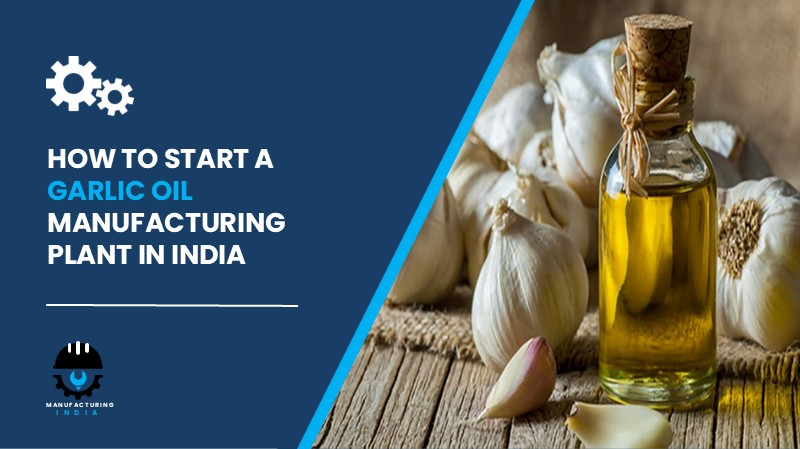
Garlic Oil Manufacturing Plant Setup in India
Setting up a garlic oil manufacturing plant in India presents a compelling investment case, driven by the rising demand for natural flavor enhancers, the increasing use of botanical extracts in nutraceuticals, the expansion of applications in pharmaceuticals, and growing consumer preference for clean-label ingredients. Garlic oil is critical to India’s economy as it adds significant value to agricultural produce, transforming raw garlic into a high-value extract with extended shelf life and diverse industrial applications across food, pharmaceutical, and personal care sectors.
India’s position as one of the world’s largest garlic producers, combined with rapid urbanization, growing health consciousness, and the government’s “Make in India” initiative, provides strong tailwinds for domestic manufacturing. Key agricultural states such as Gujarat, Maharashtra, Madhya Pradesh, and Rajasthan offer established infrastructure and access to raw garlic bulbs. With the global shift from synthetic flavor enhancers to natural alternatives and the expanding functional foods and supplements market, India offers a strategically sound environment for establishing a garlic oil manufacturing facility.
India’s garlic oil market presents strong investment potential, bolstered by policy support like Make in India, rising demand for natural ingredients, and expanding applications across food, nutraceutical, pharmaceutical, and personal care industries. With gross margins typically ranging between 45-55% and net margins of 22-32%, investors can achieve superior profitability and a viable break-even timeline.
What is Garlic Oil?
Garlic oil is a concentrated extract obtained from fresh garlic cloves through steam distillation or solvent extraction. The product contains bioactive sulfur compounds, which include allicin, diallyl disulfide, and diallyl trisulfide that create its distinct smell and medicinal characteristics. The public acknowledges garlic oil because it provides health advantages through its ability to kill microorganisms, protect cells, reduce inflammation, and improve heart health. The food industry uses it to create flavors, while dietary supplements contain it as an essential part, and pharmaceutical and personal care products use it as an active ingredient. The oil requires experts to handle it because its extreme strength demands that they follow precise procedures for both processing and product testing. The product proves suitable for industrial production and specialty health items because it maintains its quality throughout extended storage, allows easy mixing with other materials, and works well with various encapsulation and formulation methods. The garlic oil manufacturing process uses steam distillation or solvent extraction as the primary production method. Key end-use industries served include the food processing industry, nutraceutical and dietary supplement industry, pharmaceutical sector, and personal care and cosmetics industry.
Cost of Setting Up a Garlic Oil Manufacturing Plant in India
The total cost of setting up a garlic oil manufacturing plant in India depends on several critical factors, including plant capacity, technology, location, automation levels, and regulatory compliance requirements.
1. Capital Expenditure (CapEx)
The total capital investment required for establishing a garlic oil manufacturing plant covers land acquisition, site preparation, and necessary infrastructure. The location must offer easy access to key raw materials such as garlic bulbs and steam distillation, with proximity to target markets to minimize distribution costs. The site must have robust infrastructure, including reliable transportation, utilities, and waste management systems. Machinery costs account for the largest portion of total capital expenditure. The cost of land and site development, including charges for land registration, boundary development, and other related expenses, forms a substantial part of the overall investment.
Key machinery required includes:
- Garlic washing and peeling machines
- Crushers
- Steam distillation units
- Condensers
- Oil separators
- Filtration systems
- Storage tanks
- Automated filling and sealing machines
Other capital costs include civil works (production shed, quality control lab, raw material and finished goods storage, administrative block), effluent treatment systems, and pre-operative and commissioning expenses.
Request a Sample Report for In-Depth Market Insights: https://www.imarcgroup.com/garlic-oil-manufacturing-plant-project-report/requestsample
2. Operational Expenditure (OpEx)
The operating cost structure of a garlic oil manufacturing plant is primarily driven by raw material consumption, particularly garlic bulbs, which accounts for approximately 65-75% of total operating expenses (OpEx). Raw materials required include garlic bulbs and steam for distillation. Implementing long-term contracts with reliable suppliers helps mitigate price volatility and ensure consistent supply of materials. Utilities (electricity, water, steam) account for 15-20% of OpEx. Other OpEx components include transportation costs, packaging costs, salaries and wages, repairs and maintenance, depreciation, and taxes. By the fifth year, the total operational cost is expected to increase substantially due to factors such as inflation, market fluctuations, and potential rises in the cost of key materials.
3. Plant Capacity
The proposed manufacturing facility is designed with an annual production capacity ranging between 100 – 500 MT, enabling economies of scale while maintaining operational flexibility. Plant capacity can be customized per investor requirements. Profitability improves significantly with higher capacity utilization.
4. Profit Margins and Financial Projections
The project demonstrates healthy profitability potential under normal operating conditions. Gross profit margins typically range between 45-55%, supported by stable demand and value-added applications. Net profit margins are projected at 22-32%. Financial analysis includes comprehensive projections of net present value (NPV), internal rate of return (IRR), payback period, income projections, expenditure projections, and profit and loss accounts.
Why Set Up a Garlic Oil Plant in India?
Growing Preference for Natural Ingredients: Consumers prefer plant-based extracts and natural flavoring agents, which creates ongoing product demand for garlic oil in multiple business sectors.
Expanding Nutraceutical Market: Rising awareness about preventive healthcare and immune support supplements strengthens the demand for standardized garlic oil formulations.
Versatile Industrial Applications: Garlic oil provides multiple benefits to food, pharmaceutical, and cosmetic industries, which creates different income sources that protect companies from relying on one customer segment.
Value Addition to Agricultural Produce: The process of transforming raw garlic into oil produces a higher commercial worth for the product, which provides longer storage capabilities than fresh garlic.
Scalable and Export-Oriented Opportunity: The manufacturing process enables producers to create larger quantities of botanical extracts, which can be exported because international markets demand these products.
Growing Demand for Natural Extracts: The market for garlic oil is observing consistent growth with the overall increase in the market for natural extracts. Garlic oil is witnessing increased demand due to the rising awareness among people regarding immunity, heart health, and preventive nutrition.
Shift from Synthetic to Natural Flavor Enhancers: In the food industry, there is a shift from synthetic flavor enhancers to natural ones, such as herbal oils.
Expanding Functional Foods and Supplements Market: The overall increase in the functional foods and supplements market is driving the growth trajectory for the garlic oil market.
Manufacturing Process – Step by Step
The garlic oil manufacturing process uses steam distillation or solvent extraction as the primary production method.
- Raw Garlic Cleaning and Grading: Fresh garlic cloves are cleaned and graded to remove impurities and ensure quality feedstock.
- Crushing and Size Reduction: Cleaned garlic is crushed and reduced in size using crushers to increase surface area for efficient oil extraction.
- Steam Distillation or Solvent Extraction: Crushed garlic undergoes steam distillation using steam distillation units or solvent extraction to separate the essential oil.
- Condensation and Oil Separation: The vaporized oil is condensed using condensers, and the oil is separated from water using oil separators.
- Filtration: The separated oil is filtered using filtration systems to remove impurities and achieve desired purity.
- Standardization: The oil is standardized to ensure consistent bioactive compound content.
- Quality Assurance: A comprehensive quality management system is implemented across all stages of operations to ensure consistent product and service standards. Appropriate testing, monitoring, and validation processes must be established to evaluate performance, safety, reliability, and compliance with applicable regulatory and industry requirements.
- Packaging: Standardized garlic oil is packaged using automated filling and sealing machines.
- Dispatch: Finished garlic oil is dispatched to end-use industries including food processing, nutraceutical, pharmaceutical, and personal care sectors.
Key Applications
Garlic oil serves a diverse range of industries and applications:
- Food Processing Industry: Garlic oil serves as a concentrated flavoring agent used in sauces, dressings, seasonings, and processed food products to create consistent flavor profiles and maintain product freshness for extended periods.
- Nutraceutical and Dietary Supplement Industry: The product comes in soft-gel and liquid forms, which deliver standardized bioactive compounds that promote cardiovascular and immune system health.
- Pharmaceutical Sector: The oil functions as an active component in herbal medicines and therapeutic products that treat both antimicrobial and anti-inflammatory conditions.
- Personal Care and Cosmetics Industry: It is incorporated into topical products and hair care formulations due to its antimicrobial and scalp-conditioning properties.
Leading Manufacturers
Leading manufacturers in the global garlic oil industry include several multinational companies with extensive production capacities and diverse application portfolios. Key players include:
- La Tourangelle
- Stonewall Kitchen
- Roland Foods
- GNC
- KAL
These key players serve end-use sectors such as food processing, nutraceutical, pharmaceutical, and personal care industries with diversified product portfolios and international distribution networks.
Timeline to Start the Plant
- Feasibility study and project report preparation
- Land acquisition and site development
- Regulatory approvals and environmental clearances
- Factory licence and fire safety compliance
- Machinery procurement and installation
- Raw material supplier agreements and supply chain setup
- Trial production and quality testing
- Commercial production launch
Licences and Regulatory Requirements
Starting a garlic oil manufacturing unit in India requires several approvals:
- Business registration (Proprietorship, LLP, or Pvt Ltd)
- Factory Licence under the Factories Act
- Environmental Clearance from State Pollution Control Board
- GST Registration
- Fire Safety NOC
- Effluent Treatment Plant (ETP) operational clearance
- Occupational Health and Safety compliance
Key Challenges to Consider
- High Capital Requirements: Machinery costs for garlic washing and peeling machines, crushers, steam distillation units, condensers, oil separators, filtration systems, storage tanks, and automated filling and sealing machines represent a significant portion of capital expenditure.
- Raw Material Price Volatility: Fluctuations in prices of garlic bulbs directly impact margins. Raw materials account for 65-75% of operating expenses.
- Regulatory Compliance: Navigating environmental clearances, factory licences, and pollution control board regulations requires careful planning. Effluent treatment systems are necessary to minimize environmental impact and ensure compliance with emission standards.
- Skilled Manpower: Access to skilled workers for operating distillation units, quality control equipment, and maintaining safety protocols is essential.
- Technology and Innovation Pressure: Continuous advancements in extraction technology require ongoing capital reinvestment to remain competitive.
- Competition: The market includes established global players such as La Tourangelle, Stonewall Kitchen, Roland Foods, GNC, and KAL.
Frequently Asked Questions
- How much does it cost to set up a garlic oil manufacturing plant in India?
The total capital investment depends on plant capacity, technology, and location, covering land acquisition, site preparation, infrastructure, and machinery costs. - Is garlic oil manufacturing profitable in India in 2026?
Yes, gross profit margins typically range between 45-55%, with net profit margins of 22-32%, indicating superior profitability potential. - What machinery is required for a garlic oil plant in India?
Essential equipment includes garlic washing and peeling machines, crushers, steam distillation units, condensers, oil separators, filtration systems, storage tanks, and automated filling and sealing machines. - What licences and approvals are required to start a garlic oil plant in India?
Required approvals include business registration, Factory Licence under the Factories Act, Environmental Clearance from State Pollution Control Board, GST Registration, Fire Safety NOC, ETP operational clearance, and Occupational Health and Safety compliance. - What raw materials are needed for garlic oil manufacturing?
Raw materials required include garlic bulbs and steam for distillation. - What are the environmental compliance requirements for a garlic oil plant in India?
Facilities must implement effluent treatment systems, obtain environmental clearance from the State Pollution Control Board, and comply with emission standards. - What is the best location to set up a garlic oil plant in India?
The location must offer easy access to key raw materials such as garlic bulbs and proximity to target markets to minimize distribution costs. - What is the break-even period for this type of plant in India?
Financial projections including break-even analysis are provided in detailed feasibility reports, with timelines varying based on capacity, utilization rates, and operating efficiencies. - What government incentives are available for manufacturers in India?
Investors benefit from the “Make in India” initiative and state-level industrial policies that encourage domestic manufacturing.
Key Takeaways for Investors
Setting up a garlic oil manufacturing plant in India offers a compelling investment opportunity, driven by strong demand from the food processing industry, nutraceutical and dietary supplement industry, pharmaceutical sector, and personal care and cosmetics industry. The project demonstrates healthy financial viability across various plant capacities (100 – 500 MT annually), with gross profit margins ranging between 45-55% and net margins of 22-32%. The global garlic oil market was valued at USD 113.96 Million in 2025 and is expected to reach USD 172.00 Million by 2034, exhibiting a CAGR of 4.7% from 2026 to 2034. With growing consumer preference for natural ingredients, expanding nutraceutical applications, and the shift from synthetic to natural flavor enhancers, the garlic oil industry is poised for continued expansion, making now an opportune time for investors to enter this dynamic market.
About the Author