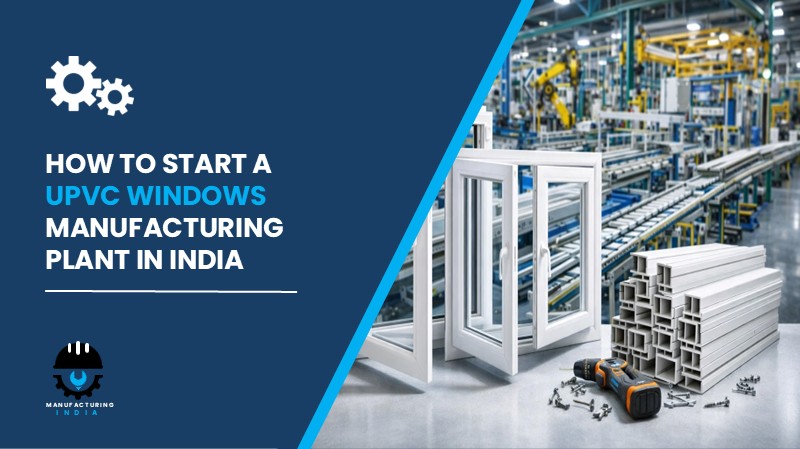
Setting up a UPVC windows manufacturing plant in India presents a compelling investment case driven by the country’s accelerating residential construction boom, surging commercial real estate development, and expanding institutional infrastructure projects such as schools, hospitals, and government facilities. UPVC (Unplasticized Polyvinyl Chloride) windows are increasingly the material of choice across these end-use sectors, owing to their superior thermal insulation, weather resistance, and low-maintenance lifecycle attributes that align directly with the demands of modern Indian construction. The product’s 61.82% share of the UPVC doors and windows market in 2024, as estimated by IMARC Group, underscores just how central this segment has become to the country’s building materials ecosystem.
India’s structural advantages make it a strategically sound location for this investment. Rapid urbanisation across Tier 1 and Tier 2 cities, sustained infrastructure spending under government programmes, and a cost-competitive manufacturing environment across industrial corridors in Gujarat, Maharashtra, and Uttar Pradesh all converge to support long-term plant viability. The Make in India initiative adds a further policy layer, enabling manufacturers to access capital subsidies, export incentives, and reduced tariff structures. With both multinational players and domestic brands now deepening their Indian footprint, establishing a UPVC windows manufacturing unit positions investors at the heart of a market primed for durable growth.
India’s UPVC windows manufacturing sector offers a rare combination of policy support, cost-competitive production, and robust demand from residential, commercial, and institutional construction segments. With gross profit margins of 30-40% and a break-even window of four to eight years, the investment case is financially sound. Domestically manufactured UPVC windows benefit from a localised supply chain, import substitution dynamics, and rising preference for energy-efficient fenestration solutions.
What are UPVC Windows?
UPVC windows are fabricated from Unplasticized Polyvinyl Chloride, a sturdy, high-performance plastic engineered to withstand weather, corrosion, and thermal expansion without deforming over time. Their defining performance characteristics include excellent insulation against heat, sound, and air leakage properties that make them indispensable in energy-conscious building designs. Unlike standard PVC, UPVC contains no plasticizers, giving it enhanced rigidity and durability. The material is impervious to rust and decay, requires minimal maintenance over its lifespan, and is fully recyclable, making it a preferred choice for modern eco-friendly construction.
The product family spans several configurations, including sliding windows, casement windows, tilt-and-turn windows, and fixed windows. These can be fitted with double- or triple-glazing units for improved energy efficiency and often incorporate multi-point locking systems for enhanced security. They are available in different sizes, colours, and design profiles to meet varied aesthetic and functional requirements. The primary manufacturing method is profile extrusion, followed by cutting, corner welding, hardware installation, glass fitting, sealing, quality inspection, and packaging. End-use industries served include residential construction, commercial buildings, offices, hotels, and institutional projects such as schools and hospitals.
Cost of Setting Up a UPVC Windows Manufacturing Plant in India
The total investment required for a UPVC windows manufacturing plant depends on production capacity, technology selected, geographic location, degree of automation, and regulatory compliance obligations.
1. Capital Expenditure (CapEx)
The largest single component of capital expenditure in a UPVC windows plant is machinery procurement, which accounts for the dominant share of total CapEx. Land and site development — covering registration charges, boundary development, drainage, and utility connections form a substantial secondary cost. Investors should evaluate both Special Economic Zones (SEZs) and MIDC or GIDC-notified industrial estates, which often offer pre-developed infrastructure and concessional land rates.
Civil works encompass construction of the production shed, raw material storage godown, finished goods warehouse, quality control laboratory, and administrative block. These must be designed to accommodate the footprint of extrusion lines and assembly operations. The other capital cost categories include effluent treatment plant (ETP) installation, pre-operative expenses, trial run costs, and applicable import duties on specialised machinery components.
Key machinery required includes:
- Extrusion line for UPVC profile production
- Cooling tanks and sizing tools
- Profile calibration and cutting saws
- Welding machines (single, double, or quad head)
- Corner cleaning machines
- Copy routers or milling machines for hardware slotting
- Drilling machines for lock and drainage holes
- Glazing bead cutting machines
- Reinforcement insertion tools
- Assembly lines
- Quality inspection systems
- Packaging equipment
Request a Sample Report for In-Depth Market Insights: https://www.imarcgroup.com/upvc-windows-manufacturing-plant-project-report/requestsample
2. Operational Expenditure (OpEx)
Raw material costs are the dominant operating expense, accounting for 70-80% of total OpEx. Key raw materials include unplasticized polyvinyl chloride (UPVC) resin, stabilizers, impact modifiers, UV-resistant additives, colorants, and lubricants, along with galvanized or stainless-steel reinforcement bars, EPDM or TPE gaskets, hardware items such as hinges and locks, screws, and packaging materials. Investors are advised to negotiate long-term procurement contracts with domestic suppliers to mitigate price volatility and secure uninterrupted supply.
Utility costs primarily electricity, water, and steam consumption across extrusion and assembly operationsrepresent 5-10% of OpEx. Additional recurring operating costs include transportation and logistics, packaging materials, employee salaries and wages, routine maintenance, depreciation on fixed assets, and applicable taxes. By the fifth year of operations, total operational costs are projected to increase substantially, driven by inflation, market fluctuations, rising raw material prices, supply chain variability, and escalating consumer demand.
3. Plant Capacity
The proposed manufacturing facility is designed with an annual production capacity ranging between 60,000 and 100,000 units, a range engineered to deliver economies of scale while preserving operational flexibility. Capacity can be customised to align with a specific investor’s market opportunity and funding structure. As with most capital-intensive manufacturing operations, profitability improves meaningfully with higher capacity utilisation rates, making ramp-up timelines a critical variable in financial planning.
4. Profit Margins and Financial Projections
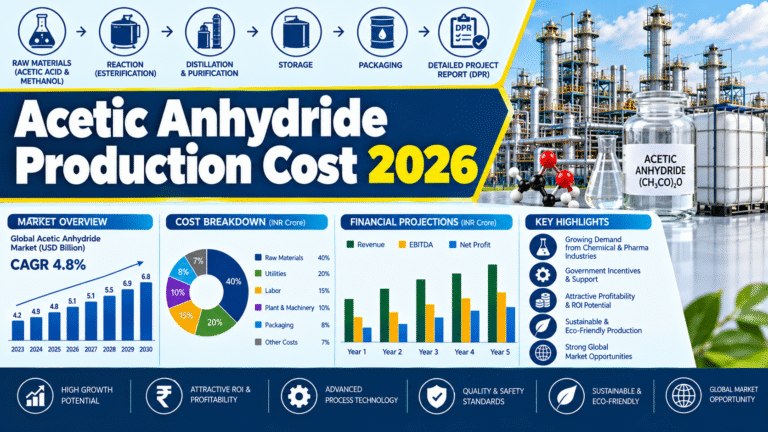
The UPVC windows plant demonstrates healthy profitability under normal operating conditions. Gross profit margins typically range between 30% and 40%, supported by stable construction demand and the value-added nature of the product. Net profit margins average 12-18% over the projection horizon. A detailed financial analysis covering NPV, IRR, break-even point, income and expenditure projections, payback period, liquidity analysis, sensitivity analysis, and profit and loss accounts is essential before committing capital. Break-even timelines generally range from four to eight years depending on scale, compliance costs, raw material pricing, and demand conditions.
Why Set Up a UPVC Windows Plant in India?
Growing Demand for Energy Efficiency. India’s Bureau of Energy Efficiency (BEE) has introduced central standards setting energy efficiency benchmarks for commercial buildings, covering lighting, HVAC, and insulation. Compliance with these norms can reduce energy consumption by up to 30% compared with traditional designs, making UPVC windows with their proven insulation credentials a direct beneficiary of this regulatory push.
Expanding Residential and Commercial Construction. The influx of people into cities and robust growth in the real estate market ensures sustained demand for high-performance window solutions. Residential construction drives consistent volume requirements for UPVC windows that combine energy efficiency, aesthetic versatility, and long-term durability.
Renovation and Replacement Activity. Beyond new construction, the renovation and retrofitting of older residential and commercial structures represents a sizable and growing demand channel. UPVC windows are commonly specified in old structure retrofitting to improve thermal efficiency and reduce long-term maintenance expenditure, extending the addressable market well beyond new builds.
Cost-Competitive Manufacturing Environment. India offers significant cost advantages in land, labour, and supply chain logistics relative to other manufacturing destinations. Industrial corridors in states such as Gujarat, Maharashtra, and Uttar Pradesh provide access to raw material suppliers, skilled fabrication labour, and logistics infrastructure, enabling competitive landed costs for both domestic and export markets.
Active Industry Investment. In July 2025, SBM Gold expanded its product portfolio with the launch of a new range of UPVC windows and doors, entering the finished fenestration solutions space as part of a broader growth strategy in India’s building materials sector. In February 2025, VEKA Germany acquired 100% ownership of its joint venture NCL VEKA in India, reinforcing its commitment to the Indian market and supporting plans for capacity expansion, production increases, and export hub development. These moves signal strong institutional confidence in the sector’s growth trajectory.
Local Supply Chain Preference. Construction developers, institutional buyers, and government infrastructure agencies are increasingly prioritising locally manufactured fenestration products to reduce import dependency, shorten lead times, and ensure product customisation. This preference positions domestic UPVC windows manufacturers to capture a structurally advantaged share of procurement.
Manufacturing Process – Step by Step
The UPVC windows manufacturing process uses profile extrusion as the primary production method, followed by a series of precision fabrication, assembly, and quality assurance stages.
- Extrusion of UPVC profiles: UPVC resin compound is fed through a high-output extrusion line to produce continuous profile sections with defined cross-sections.
- Cooling and calibration: Extruded profiles pass through cooling tanks and sizing tools to achieve precise dimensional stability.
- Cutting to dimension: Profile calibration and cutting saws trim sections to the required frame and sash dimensions.
- Corner welding: Welding machines (single, double, or quad head) fuse profile corners to form structurally sound frame and sash assemblies.
- Corner cleaning: Corner cleaning machines remove excess material from welded joints to achieve a smooth, finished appearance.
- Hardware slotting and drilling: Copy routers, milling machines, and drilling machines create slots and holes for hardware, drainage, and reinforcement insertion.
- Steel reinforcement insertion: Galvanized or stainless-steel reinforcement bars are inserted into profile chambers to enhance structural rigidity.
- Gasket and glazing bead assembly: Frame, sash, EPDM or TPE gaskets, and glazing beads are assembled into complete window units.
- Glass fitting: Glass panes or insulated glazing units are installed into frames with appropriate sealing.
- Quality inspection: Automated quality inspection systems test each unit for dimensional accuracy, air tightness, and performance compliance.
- Packaging and dispatch: Finished windows are packaged securely and distributed to residential, commercial, and institutional end users.
Key Applications
UPVC windows serve a broad range of construction and renovation segments across residential, commercial, and public infrastructure sectors.
- Residential Construction: Add energy efficiency, aesthetic appeal, and long-term durability to homes across all housing categories.
- Commercial Buildings: Enable offices, hotels, and malls to achieve noise insulation, waterproofing, and flexible design configurations.
- Renovation Projects: Widely specified in retrofitting of older structures to improve thermal performance and reduce maintenance costs.
- Institutional Projects: Schools, hospitals, and government buildings benefit from the durability and low-upkeep profile of UPVC windows.
Leading Manufacturers
The global UPVC windows market is served by a combination of multinational groups and strong regional players with diverse production capacities and application portfolios. Key manufacturers referenced in industry analysis include:
- Fenesta
- LG Hausys
- Welltech Systems
- Asahi India Glass Limited
- Deceuninck
Timeline to Start the Plant
- Feasibility study and project report preparation
- Land acquisition and site development
- Regulatory approvals and environmental clearances
- Factory licence and fire safety compliance
- Machinery procurement and installation
- Raw material supplier agreements and supply chain setup
- Trial production and quality testing
- Commercial production launch
The overall timeline to start a UPVC windows manufacturing plant typically ranges from 12 to 24 months, depending on site development progress, machinery installation lead times, and the pace of regulatory approvals.
Licences and Regulatory Requirements
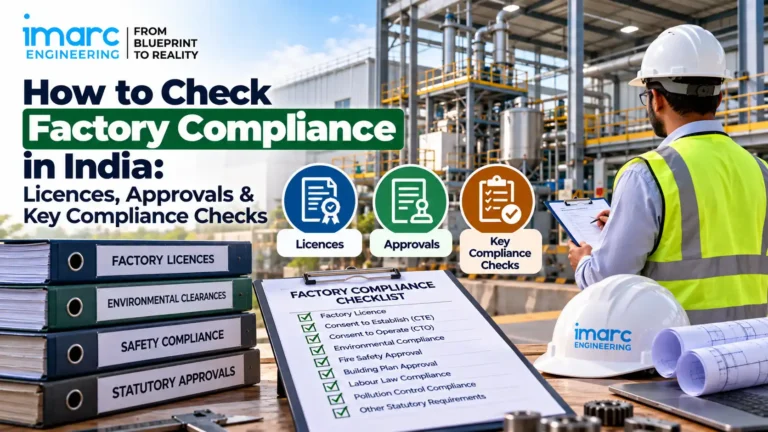
Starting a UPVC windows manufacturing unit in India requires several approvals:
- Business registration (Proprietorship, LLP, or Private Limited Company)
- Factory Licence under the Factories Act
- Environmental Clearance from the State Pollution Control Board
- GST Registration
- Fire Safety NOC
- Effluent Treatment Plant (ETP) operational clearance
- Occupational Health and Safety compliance
Key Challenges to Consider
High Capital Requirements. The initial investment covering land, civil works, extrusion lines, and ancillary machinery represents a significant financial commitment, particularly for first-time entrants without existing manufacturing infrastructure.
Raw Material Price Volatility. UPVC resin, stabilizers, impact modifiers, steel reinforcement bars, and hardware components are subject to global commodity price fluctuations. Since raw materials account for 70-80% of OpEx, even moderate input cost increases can compress margins materially.
Regulatory Compliance. Obtaining environmental clearances, factory licences, ETP approvals, and fire safety certifications is a multi-agency, time-intensive process that can extend pre-production timelines beyond initial projections.
Technology and Innovation Pressure. The market is increasingly moving toward triple-glazed, thermally broken, and acoustically rated window systems. Manufacturers must invest in equipment capable of meeting evolving product specifications to remain competitive.
Competition from Established Players. Competing against established names such as Fenesta, Welltech Systems, Asahi India Glass Limited, and Deceuninck each with recognised brand equity and distribution depth requires deliberate market positioning and quality differentiation.
Skilled Manpower. Operating extrusion lines, welding machines, and quality inspection systems demands trained technical personnel. Availability and retention of skilled fabrication and production staff can be a constraint, particularly in non-metro industrial locations.
Frequently Asked Questions
1. How much does it cost to set up a UPVC windows manufacturing plant in India? The total cost depends on plant capacity, technology, automation level, and location. Key cost components include land and site development, civil construction, extrusion and fabrication machinery, utilities, and initial working capital. A detailed project report provides location- and capacity-specific cost estimates.
2. Is UPVC windows manufacturing profitable in India in 2026? Yes. With gross profit margins of 30-40% and net margins of 12-18%, UPVC windows manufacturing is considered financially viable in India, particularly given strong construction sector demand and growing preference for energy-efficient fenestration solutions.
3. What machinery is required for a UPVC windows plant in India? Essential equipment includes extrusion lines, cooling tanks, sizing tools, profile calibration and cutting saws, welding machines, corner cleaning machines, copy routers, drilling machines, glazing bead cutters, reinforcement insertion tools, assembly lines, quality inspection systems, and packaging equipment.
4. What licences and approvals are required to start a UPVC windows plant in India? Required approvals include business registration, factory licence, environmental clearance from the State Pollution Control Board, GST registration, fire safety NOC, ETP operational clearance, and occupational health and safety compliance.
5. What raw materials are needed for UPVC windows manufacturing? Key inputs are UPVC resin, stabilizers, impact modifiers, UV-resistant additives, colorants, lubricants, steel reinforcement bars, EPDM or TPE gaskets, hardware (hinges, locks, screws), glass, and packaging materials.
6. What are the environmental compliance requirements for a UPVC windows plant in India? Plants must obtain environmental clearance from the State Pollution Control Board, install and operate an effluent treatment plant (ETP), and comply with emission and waste management standards prescribed under applicable environmental regulations.
7. What is the best location to set up a UPVC windows plant in India? Ideal locations offer proximity to UPVC profile and hardware suppliers, well-developed road and rail logistics, access to skilled fabrication labour, and pre-notified industrial zone benefits. Industrial corridors in Gujarat, Maharashtra, and Uttar Pradesh are among the most viable options.
8. What is the break-even period for this type of plant in India? Break-even timelines for a UPVC windows manufacturing unit typically range from four to eight years, depending on production scale, regulatory compliance costs, raw material pricing, and market demand conditions.
9. What government incentives are available for manufacturers in India? Governments may offer capital subsidies, tax exemptions, reduced utility tariffs, export benefits, and interest subsidies under various national and state industrial promotion policies. Specific incentive structures vary by state and investment scale.
Key Takeaways for Investors
A UPVC windows manufacturing plant in India addresses durable demand from residential construction, commercial real estate, renovation projects, and institutional infrastructure, all of which are in secular growth phases. The financial profile is compelling across a range of plant capacities, with gross margins of 30-40% and net margins of 12-18% achievable under normal operating conditions, and a break-even window of four to eight years. According to IMARC Group, UPVC windows captured 61.82% of the UPVC doors and windows market share in 2024, a dominant position that reflects structural buyer preference rather than cyclical demand. With recent investments by global players such as VEKA Germany consolidating Indian operations and domestic brands like SBM Gold entering the segment, the competitive validation of this market is clear and the window for well-capitalised, technology-ready manufacturers to establish a scalable production footprint remains open.
About the Author