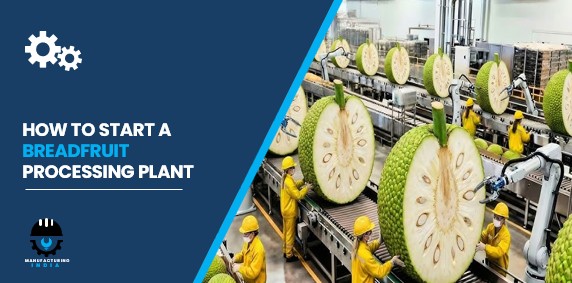
Setting up a breadfruit processing plant in India represents a compelling investment opportunity underpinned by robust and structurally growing demand from the food processing, bakery, gluten-free products, foodservice, and nutraceutical sectors. The accelerating global shift toward plant-based and climate-resilient food sources, rising consumer preference for gluten-free alternatives, and growing commercial adoption of breadfruit flour in bakery and snack applications create multiple simultaneous demand growth drivers across food and health markets. Combined with the high-yield productivity of breadfruit trees, straightforward processing technology, and expanding export market opportunities, breadfruit processing presents a commercially attractive and scalable investment proposition for new entrants with efficient sorting, processing, and quality management systems.
IMARC Group’s comprehensive DPR report, titled “Breadfruit Processing Plant Project Report 2026: Industry Trends, Plant Setup, Machinery, Raw Materials, Investment Opportunities, Cost and Revenue,” provides a complete roadmap for setting up a breadfruit processing unit. The breadfruit market is driven by increasing demand for climate-resilient crops, rising interest in gluten-free and plant-based food alternatives, and growing adoption of breadfruit flour in bakery and snack applications.
The global breadfruit market size was valued at USD 354.20 Million in 2025. According to IMARC Group estimates, the market is expected to reach USD 656.68 Million by 2034, exhibiting a CAGR of 7.1% from 2026 to 2034.
What is Breadfruit?
Breadfruit (Artocarpus altilis) is a tropical fruit-bearing tree crop widely cultivated in the Caribbean, Pacific Islands, Southeast Asia, and parts of Africa. The fruit is rich in carbohydrates, dietary fiber, vitamins, and minerals, making it a nutritious staple food. Breadfruit can be consumed fresh (boiled, roasted, fried) or processed into flour, chips, frozen cubes, purees, and dehydrated products. It is naturally gluten-free and valued for its versatility in savory and bakery formulations.
Key quality parameters for commercial processing include maturity stage at harvest, moisture content of the fresh fruit, starch levels and starch-to-sugar conversion profile, and microbial safety throughout the cold chain and processing operation. Breadfruit trees are notable for their climate resilience, high yields, and ability to produce fruit with minimal agricultural inputs, supporting sustainable agricultural systems in tropical regions.
Breadfruit trees mature within 3 to 5 years and yield 50 to 200 fruits annually, equivalent to around 204 kilograms of edible flesh per tree. This strong yield capacity supports commercial cultivation, food security programs, and expanded processing opportunities, making breadfruit a uniquely productive and scalable food system crop.
Cost of Setting Up a Breadfruit Processing Plant
The total capital investment required to establish a breadfruit processing plant is determined by several key parameters: annual production capacity (typically ranging from 1,000 to 5,000 metric tonnes per annum depending on project scale), the processing technologies adopted (fresh-cut, dehydration, flour milling, or frozen processing routes), the degree of automation across washing, peeling, slicing, drying, and packaging sections, facility specifications, raw material sourcing strategy, and applicable regulatory and food safety compliance requirements. Below is a structured breakdown of the major cost components.
1. Capital Expenditure (CapEx)
Total capital investment in a breadfruit processing plant covers the following major heads:
Land and Site Development
This encompasses land acquisition or lease, site preparation, boundary development, and utilities connectivity. Site selection should prioritise proximity to breadfruit cultivation zones in tropical agricultural areas, cold chain and refrigerated transport infrastructure for fresh fruit intake, access to reliable power for processing and refrigeration equipment, road infrastructure for raw material delivery and finished product dispatch, availability of process water for washing and blanching operations, and a trained local workforce familiar with food processing operations. Compliance with industrial zoning regulations, environmental impact assessment requirements, and food safety buffer zone requirements around processing and storage areas must be assessed from project initiation.
Civil Works and Construction
Building costs cover the main processing facility including the raw material receiving and inspection area, washing and grading section, peeling and coring zone, slicing and dicing area, blanching unit, drying or freezing section (depending on product mix), milling and pulverising area for flour production, packaging and labelling zone, cold storage and finished goods warehouse, utility systems including refrigeration, water treatment, steam generation, and compressed air supply, quality control laboratory, administrative block, control room, and fire and food safety infrastructure. Construction must comply with applicable food factory regulations, FSSAI or equivalent food safety standards, pollution control board clearances, and local building regulations, with particular attention to food-grade surface finishes, drainage design, pest control measures, and hygiene zoning between raw material and finished product areas.
Machinery and Equipment
Machinery represents the single largest CapEx component. Key equipment required for a breadfruit processing plant includes:
- Washing and Grading Systems: Designed for high-volume throughput with brush and spray systems to remove field dirt, latex residue, and surface contaminants from fresh breadfruit before processing.
- Peeling and Coring Machines: Industrial-grade drum or belt peelers with adjustable blade depth settings to remove the outer skin cleanly without excessive fruit loss, followed by mechanical corers for fruit preparation.
- Slicing and Dicing Equipment: Multi-blade slicing and dicing machines to produce uniform slices, cubes, or strips for fresh-cut, frozen, or chip product lines, with knife specifications calibrated for breadfruit’s firm starch-rich texture.
- Blanching Units: Continuous belt or batch blanching units using hot water or steam to inactivate enzymes that cause browning and quality degradation, essential for frozen and dehydrated product lines.
- Dryers (Tunnel/Cabinet/Belt): Industrial tunnel dryers, cabinet dryers, or belt dryers operating at controlled temperature and airflow to reduce moisture content of breadfruit slices to target levels for dried chips and dehydrated flour production.
- Freezing Tunnels: Continuous freezing tunnels with cryogenic or mechanical refrigeration to freeze sliced or cubed breadfruit rapidly for retail frozen product lines, preserving texture, colour, and nutritional integrity.
- Milling and Pulverising Machines: Hammer mills, pin mills, or roller mills to reduce dried breadfruit to fine flour at controlled particle size, coupled with sifting and classification equipment to produce flour to specification.
- Packaging Machines: Automated packaging lines for pouch, bag, or tray formats with nitrogen flushing for flour and dried products, vacuum sealing for frozen products, and multi-head weighers for chip and snack packs.
- Cold Storage and Refrigeration Systems: Walk-in cold rooms and blast freezers for raw breadfruit intake holding, intermediate product storage, and finished frozen product warehousing.
- Effluent Treatment System: Effluent treatment plant to manage peel, core, and washing water waste streams in compliance with food factory effluent discharge standards.
- Quality Control Laboratory Equipment: Gas chromatography moisture analysers, texture analysers, colour meters, microbial testing equipment, and standard food analytical instruments for testing flour particle size, moisture content, microbial load, and sensory properties.
Other Capital Costs
These include pre-operative expenses, commissioning and start-up charges, initial raw material and packaging inventory for plant commissioning, regulatory compliance setup including FSSAI License (India) or equivalent food safety authority registration, Factory License, Pollution Control Board clearances, food safety management system establishment costs, and staff training and competency development for food processing operations, hygiene management, and quality control.
Request a Sample Report for In-Depth Market Insights: https://www.imarcgroup.com/breadfruit-processing-plant-project-report/requestsample
2. Operational Expenditure (OpEx)
Fresh breadfruit constitutes the dominant operating cost, typically representing 60–70% of total OpEx given its role as the primary raw material input across all product lines. Utility costs, driven principally by electricity consumption for refrigeration, drying, and milling equipment and water demand for washing and blanching operations, account for 15–20% of OpEx. Labour, packaging materials, transportation, maintenance, quality control, depreciation, taxes, and overhead costs constitute the remainder of the operating cost base.
3. Plant Capacity
The proposed breadfruit processing facility is designed with an annual production capacity ranging between 1,000 and 5,000 metric tonnes per annum, enabling economies of scale while maintaining operational flexibility. This capacity range supports a diversified product portfolio of breadfruit flour for bakery and gluten-free applications, dried chips and snack products for retail and foodservice markets, frozen breadfruit cubes for institutional and foodservice buyers, and breadfruit puree for baby food and functional food applications, serving both domestic and export channels.
4. Profit Margins and Financial Projections
The project demonstrates healthy profitability potential under normal operating conditions, with gross profit margins of 40–50% and net profit margins of 20–30% at efficient operational scale. Financial projections encompass capital investment, operating costs, capacity utilisation ramp-up schedule, product mix across flour, frozen, dried, and puree lines, and forward demand outlook underpinned by sustained gluten-free product growth and expanding breadfruit adoption in developed and developing markets. A comprehensive feasibility analysis includes sensitivity analysis, Net Present Value (NPV), Internal Rate of Return (IRR), and Payback Period calculations.
Why Set Up a Breadfruit Processing Plant?
Growing Gluten-Free and Plant-Based Food Demand
The global gluten-free food market is experiencing sustained and rapid growth driven by rising diagnosis of celiac disease, non-celiac gluten sensitivity, and the broader adoption of gluten-free diets as a lifestyle and health choice. Breadfruit flour, with its naturally gluten-free composition, neutral flavour profile, and high starch content, is well positioned as an ingredient in gluten-free bread, cakes, pastries, and snack products. The expanding plant-based food movement further reinforces demand for breadfruit as a nutritious, minimally processed whole-food ingredient with versatile culinary applications.
Climate-Resilient Crop Advantage and Supply Security
Breadfruit trees are perennial, high-yielding crops that produce fruit for decades after reaching maturity and require minimal inputs of fertiliser, pesticide, and irrigation compared to annual grain crops. Their adaptability to tropical climates prone to increased weather variability positions breadfruit as a structurally advantaged food security crop. For processing plant investors, this supply resilience translates to more stable raw material availability compared to annual crops subject to crop failure risk, supporting consistent plant utilisation and revenue predictability.
Value Addition and Extended Shelf Life
Fresh breadfruit has a short post-harvest shelf life of 3–5 days under ambient conditions, creating significant post-harvest loss in producing regions without adequate processing infrastructure. Converting fresh breadfruit into flour (shelf life of 12–18 months), frozen products (12–24 months), dried chips (6–12 months), or purees (12–18 months) dramatically extends the product’s market reach, enabling year-round supply to export markets and retail channels far from production zones, while capturing substantial value addition over fresh fruit prices.
Food Security and Government Support
Governments and NGOs across the Caribbean, Pacific Islands, and parts of Africa and Asia are actively promoting breadfruit cultivation and processing as a food security strategy to reduce dependence on imported wheat, rice, and maize. Policy support through agricultural development programmes, processing infrastructure subsidies, and market linkage initiatives creates a favourable investment environment for private sector processors. The increasing integration of breadfruit into institutional feeding programmes, school meal initiatives, and humanitarian food security projects provides additional demand channels beyond commercial retail markets.
Expanding Export Market Opportunities
The growing diaspora populations from Caribbean, Pacific Island, and West African communities in North America, Europe, and Australia are creating established demand channels for breadfruit products in developed market retail and foodservice. The increasing popularity of tropical and ethnic cuisines, combined with growing mainstream consumer interest in novel plant-based ingredients, is expanding breadfruit’s addressable market beyond diaspora consumers. Breadfruit flour is gaining trial among specialty bakers, food manufacturers, and health food brands seeking differentiated gluten-free and allergen-free ingredients with sustainable provenance stories.
Proven Processing Technology and Scalable Operations
Breadfruit processing utilises established food processing technologies — washing, peeling, blanching, drying, milling, and freezing — that are commercially proven and supported by a well-developed global supplier base for food processing machinery. The processing technology does not require specialised chemical engineering or high-pressure systems, making plant design, construction, and commissioning more straightforward than many chemical or pharmaceutical manufacturing facilities. The modular nature of food processing lines allows investors to begin with a single product focus (flour or frozen) and progressively add processing capacity and product lines as market development proceeds.
Manufacturing Process Overview
The breadfruit processing operation transforms fresh harvested breadfruit into stable, value-added food products through a sequence of reception, preparation, processing, and packaging operations. The key process stages are:
- Raw Material Receipt and Inspection: Fresh breadfruit is received from farm suppliers or collection points, inspected for maturity stage, variety, and quality, weighed and recorded, and sorted to segregate fruit intended for different product lines based on maturity and condition.
- Washing and Grading: Fruit is washed in multiple water tanks with brush conveyors to remove field soil, latex, and surface contamination, then graded by size and maturity to ensure uniform processing performance.
- Peeling and Coring: Outer skin is removed using mechanical drum peelers or manual peeling stations depending on product scale and variety, followed by mechanical or manual coring to remove the central core and any fibrous material.
- Slicing and Dicing: Peeled breadfruit is sliced or diced to uniform dimensions using multi-blade slicers or dicing machines, with cut size and geometry determined by the target product specification (chips, cubes, puree, flour).
- Blanching: Cut breadfruit pieces are blanched in hot water (85–95°C) or steam for 2–5 minutes to inactivate polyphenol oxidase and other enzymes responsible for browning, and to reduce surface microbial load, ensuring colour stability and shelf life in downstream products.
- Drying: For flour and dried chip production, blanched slices are conveyed to industrial tunnel or cabinet dryers and dried at controlled temperature (55–70°C) and airflow to reduce moisture content to below 10–12% for chips and below 14% for flour feedstock.
- Freezing: For frozen cube and frozen puree products, blanched and sliced breadfruit is conveyed through individually quick-frozen (IQF) continuous belt freezers or plate freezers, reducing core temperature to below -18°C rapidly to preserve texture, colour, and nutrients.
- Milling and Sifting: Dried breadfruit is milled using hammer mills, pin mills, or roller mills and sifted through vibrating screens to produce breadfruit flour to specified particle size distributions for bakery and food ingredient applications.
- Quality Control: All intermediate and finished products are tested against specification for moisture content, colour, particle size (flour), microbial counts, and sensory properties before release for packaging.
- Packaging and Labelling: Approved products are filled into primary packaging (pouches, bags, trays, bulk sacks) under appropriate modified atmosphere or vacuum conditions, labelled with product specifications, lot numbers, and regulatory information, and packed into secondary shipper cases.
- Storage and Dispatch: Finished products are transferred to appropriate temperature-controlled storage — ambient warehousing for flour and dried products, and frozen cold stores at -18°C or below for frozen products — pending dispatch to domestic distributors or export customers.
Key Applications of Breadfruit
The breadfruit processing market serves several major end-use segments across food manufacturing, retail, foodservice, and health sectors:
- Bakery and Gluten-Free Products: Breadfruit flour is used as a partial or full substitute for wheat flour in gluten-free bread, cakes, muffins, and pastries due to its high starch content, neutral taste, and naturally gluten-free composition, enabling formulators to develop clean-label gluten-free products with improved nutritional profiles.
- Snack Food Industry: Sliced and seasoned breadfruit is processed into snack chips and crisps as a plant-based, minimally processed alternative to potato and cassava snacks, appealing to health-conscious consumers seeking novel, tropical-origin snack options with clean ingredient lists.
- Foodservice and Hospitality: Fresh, frozen, or ready-to-cook breadfruit cubes are supplied to restaurants, hotels, and institutional kitchens for use in tropical cuisine preparations, fusion dishes, and international menu development, capitalising on growing consumer interest in diverse and exotic food experiences.
- Nutraceutical and Health Foods: Breadfruit flour and dried breadfruit powder are incorporated into high-fiber functional food products, meal replacement formulations, and nutritional supplements targeting health-conscious consumers seeking plant-based, carbohydrate-rich functional ingredients.
- Food Security and Institutional Feeding Programs: Breadfruit puree and dried breadfruit products are incorporated into school meal programmes, humanitarian food rations, and food security interventions in tropical regions as a nutrient-dense, locally produced alternative to imported grain-based staples.
- Baby Food and Infant Nutrition: Fine-milled breadfruit flour and puree are used in baby food formulations as a hypoallergenic, gluten-free carbohydrate source with good digestibility and nutritional density for infant and toddler food products.
Global Breadfruit Market Outlook
The global breadfruit market is on a sustained growth trajectory, with a market value of USD 354.20 Million in 2025, projected to reach USD 656.68 Million by 2034 at a CAGR of 7.1% during 2026–2034. The market benefits from multiple structural demand drivers across gluten-free food manufacturing, clean-label snack development, food security programmes, and health-focused ingredient applications. Asia Pacific, the Caribbean, and Pacific Island regions represent the primary production bases, while North America, Europe, and Australia represent the key import and premium consumer markets.
The market benefits from the following structural growth drivers:
- Sustained global gluten-free food market growth driven by celiac disease prevalence, gluten sensitivity awareness, and lifestyle adoption of gluten-free diets
- Rapid expansion of plant-based food product development creating demand for novel, nutritionally dense plant-based ingredients including breadfruit flour and dried products
- Growing government and NGO investment in breadfruit as a food security crop in tropical regions reducing dependence on imported grain
- Increasing diaspora consumer demand for breadfruit products in North America, Europe, and Australia creating established premium retail channels
- Expanding foodservice and hospitality sector interest in tropical and exotic ingredients driven by culinary diversity trends
- Rising consumer interest in sustainable, climate-resilient food systems supporting breadfruit as a low-input, high-yield crop with a compelling environmental profile
- Growing baby food and functional nutrition market demand for hypoallergenic, gluten-free carbohydrate ingredients
- Expansion of breadfruit cultivation area in Southeast Asia and parts of Africa creating new supply zones to support processing investment
Major players in the global breadfruit processing industry include Ulu Breadfruit Company, Limahuli Garden & Preserve, Global Breadfruit, Tropic Gourmet, Agroforestry Network, Caribbean Breadfruit Co., Agrinutrition Inc., and Hawaiian Breadfruit, serving end-use sectors including food processing, bakery and snack manufacturing, gluten-free product formulation, foodservice, and nutraceuticals.
Licences and Regulatory Requirements
Establishing a breadfruit processing plant requires a range of approvals and certifications, which may vary by country and jurisdiction, including:
- Business registration and company incorporation under applicable company law
- Food Safety and Standards Authority of India (FSSAI) License for food processing operations — Central License required for manufacturing units with annual turnover above the applicable threshold and for food products intended for export markets
- Factory License under applicable state Factories Act provisions for food manufacturing operations
- Pollution Control Board Clearances — Consent to Establish (CTE) and Consent to Operate (CTO) for food processing operations generating effluent from washing, blanching, and cleaning operations
- Environmental Clearance under applicable environmental impact assessment regulations for larger-scale processing facilities
- HACCP (Hazard Analysis and Critical Control Points) Certification — a mandatory food safety management requirement for export market access and a strong differentiator for domestic food industry customers
- ISO 22000:2018 Food Safety Management System Certification, increasingly required by large retail and food industry buyers and export market customers as a baseline food safety standard
- ISO 9001:2015 Quality Management System Certification for quality management infrastructure compliance
- Organic Certification from applicable certification body (e.g., NPOP in India, NOP in USA, EU Organic) for breadfruit flour and products marketed with organic claims, if sourcing from certified organic farms
- Export-Import Code (IEC) registration for international market access and breadfruit product export sales
- BRC Global Standard for Food Safety or equivalent retailer-approved standard for products intended for supply to major UK and European retail chains
- Weights and Measures (Legal Metrology) registration for packaged commodity labelling and net quantity declaration
- Trademark and Brand Registration for proprietary breadfruit product brands
Key Challenges to Consider
Raw Material Seasonality and Supply Consistency
Breadfruit is a seasonal crop in most producing regions, with peak fruit availability concentrated over specific months of the year depending on local climate and variety. Managing the mismatch between peak fruit supply and year-round processing demand requires careful cold chain infrastructure investment for fresh fruit holding, coordination with multiple farm suppliers across geographically dispersed growing areas to extend the effective supply season, and potential complementary sourcing agreements across different breadfruit varieties with staggered peak seasons. Securing long-term farm supply contracts with quality-specified growers and investing in farm extension programmes to improve post-harvest handling are important supply chain risk mitigation strategies.
Post-Harvest Loss and Logistics
Fresh breadfruit is highly perishable, with a shelf life of only 3–5 days under ambient conditions, requiring rapid harvest-to-processing turnaround and investment in temperature-controlled transport from farms to processing facilities. Post-harvest losses from bruising, latex damage, and over-ripening can significantly impact raw material conversion efficiency and product quality. Investment in grower education, appropriate harvesting equipment, suitable packaging for farm-level transport, and refrigerated collection vehicles is essential to maintaining raw material quality and minimising losses.
Consumer Awareness and Market Development
Outside established diaspora consumer communities, breadfruit remains a relatively unfamiliar ingredient in many target export markets, requiring investment in market education, recipe development, chef engagement, and retail merchandising to build consumer trial and repeat purchase. Positioning breadfruit flour effectively relative to established gluten-free flours (rice flour, tapioca, almond flour) and communicating its nutritional and sustainability credentials require targeted marketing investment and trade relationships with health food retailers, specialty grocery chains, and gluten-free food manufacturers.
Quality Consistency and Product Standardisation
Breadfruit fruit quality varies significantly by variety, maturity stage, growing conditions, and post-harvest handling, creating challenges for consistent flour colour, flavour, starch content, and functional baking performance. Establishing clear raw material specification criteria, implementing rigorous incoming quality inspection, and maintaining close relationships with farm suppliers to manage variety selection and harvest timing are essential to delivering consistent product quality to food manufacturing customers with demanding ingredient specifications.
Competition from Established Gluten-Free Ingredients
Breadfruit flour enters a gluten-free ingredient market already served by well-established alternatives including rice flour, tapioca starch, cassava flour, almond flour, and coconut flour with established consumer recognition, food service adoption, and food industry supplier relationships. Differentiation through nutritional positioning (higher protein and fibre content than many gluten-free flours), sustainability credentials, and unique flavour and textural properties requires sustained investment in product development, technical support to food manufacturers, and market education.
Cold Chain Infrastructure Investment
Breadfruit frozen product lines require significant cold chain investment spanning intake refrigeration, IQF freezing tunnels, frozen product warehousing, and temperature-controlled distribution. In tropical regions where breadfruit is produced, reliable cold chain infrastructure can be limited, requiring processing plant investors to develop self-sufficient refrigeration infrastructure rather than relying on third-party cold storage and transport. Cold chain investment adds meaningfully to both capital expenditure and operating costs, particularly utility costs for refrigeration, requiring careful financial planning.
Frequently Asked Questions (FAQs)
1. How much does it cost to set up a breadfruit processing plant?
The total investment depends on plant capacity (1,000–5,000 MT per annum), the product mix targeted (flour, frozen, dried chips, puree), automation level, facility specifications, and location. Costs cover land, civil construction (processing sections, cold storage, utilities, quality control laboratory, administrative block), machinery (washing, peeling, blanching, drying, freezing, milling, packaging), food safety certifications, working capital, and regulatory compliance. A comprehensive feasibility study from IMARC Group provides detailed, capacity-specific cost estimates covering all CapEx and OpEx components.
2. Is breadfruit processing a profitable business in 2026?
Yes. Rising demand for gluten-free products, growing plant-based food ingredient markets, expanding food security programmes, and increasing export opportunities in North America and Europe, combined with gross profit margins of 40–50% and net profit margins of 20–30% at efficient operating scale, make breadfruit processing financially attractive. The value addition from converting short-shelf-life fresh fruit into stable, packaged finished products provides strong margin capture opportunities for well-managed processing operations.
3. What machinery and equipment are required for a breadfruit processing plant?
Key equipment includes washing and grading systems, mechanical peeling and coring machines, slicing and dicing equipment, blanching units, tunnel or cabinet dryers, IQF freezing tunnels, hammer or pin mills for flour production, vibrating sifters, automated packaging lines with modified atmosphere capability, cold storage and blast freezing systems, effluent treatment plant, and quality control laboratory equipment for moisture, colour, particle size, and microbiological testing.
4. What licences and approvals are required?
Required approvals include company registration, FSSAI Central License for food manufacturing, Factory License, Pollution Control Board Consent to Establish and Consent to Operate, HACCP Certification, ISO 22000:2018 Food Safety Management System certification (required by most retail and export buyers), organic certification if marketing organic products, and Export-Import Code registration for international market access. BRC Global Standard certification is required for supply to major UK and European retailers.
5. How long does it take to commission a breadfruit processing plant?
Typically 12–24 months from project initiation to commercial production launch for a moderate-scale greenfield plant, depending on project scale, facility construction timeline, equipment procurement lead times, and regulatory approval timelines. FSSAI License and Pollution Control Board clearances should be initiated early. Smaller-scale or modular plants focusing on a single product line may achieve first production in 8–12 months. Establishing farm supply contracts and raw material supply chain ahead of commissioning is critical to ensuring adequate raw material availability at plant start-up.
6. What are the key raw materials for breadfruit processing?
The primary raw material is fresh, mature breadfruit sourced from tropical farm suppliers. Supplementary inputs include salt and seasoning ingredients for snack chip products, packaging materials (pouches, bags, trays, bulk sacks), process water for washing and blanching, and fuel or electricity for drying and refrigeration operations. Breadfruit variety selection, maturity at harvest, and post-harvest handling quality are critical determinants of processing yield and finished product quality.
7. What is the break-even period for a breadfruit processing plant?
The break-even period depends on capacity utilisation ramp-up trajectory, the product mix between flour, frozen, dried, and puree product lines, raw material supply consistency and pricing, and product offtake arrangements with retail buyers, food manufacturers, and distributors. Securing long-term supply agreements with gluten-free food manufacturers or retail chains, alongside reliable farm supply contracts, significantly improves revenue predictability and supports faster break-even achievement.
8. What are the main product grades of processed breadfruit and their applications?
The principal product categories include breadfruit flour (fine-milled, moisture-controlled for bakery and food ingredient applications), dried breadfruit chips and snacks (seasoned or plain for retail snack markets), frozen breadfruit cubes (IQF or block frozen for foodservice and retail), breadfruit puree (aseptic or frozen for baby food, food manufacturing, and foodservice), and breadfruit starch (for speciality food and industrial applications). Organic-certified versions of each product line command significant price premiums in health food and premium retail channels.
9. What government incentives are available for breadfruit processors?
Processors may benefit from state-level food processing industry investment incentives, capital subsidy schemes under national food processing development programmes, export promotion benefits for agricultural food product exports, and infrastructure support under agri-processing park schemes. In the Caribbean, Pacific Islands, and parts of Africa, governments and development organisations actively support breadfruit processing investment through grant programmes, concessional finance, and market linkage facilitation. Processors with organic certification may access premium pricing from certified organic market channels.
10. How does breadfruit flour compare to other gluten-free flours?
Breadfruit flour offers a nutritionally differentiated profile compared to most common gluten-free flours. It provides higher protein content than rice flour, higher dietary fibre than cassava or tapioca starch, and a lower glycaemic index compared to many refined gluten-free ingredients. Its neutral flavour and white-to-cream colour make it suitable for a wide range of bakery applications without imparting strong flavour notes characteristic of some alternative flours such as teff or buckwheat. Breadfruit flour’s sustainable agricultural provenance, gluten-free certification potential, and alignment with tropical food heritage and diversity trends provide additional positioning advantages in premium and specialty food markets.
Key Takeaways for Investors
The breadfruit processing industry represents a structurally well-positioned and financially attractive investment opportunity at the convergence of sustained global gluten-free food demand, accelerating plant-based ingredient adoption, growing food security programme investment, and the expanding market for tropical and sustainably sourced food ingredients. Gross profit margins of 40–50% and net profit margins of 20–30% at efficient operating scale reflect the strong value addition potential from converting short-shelf-life fresh tropical fruit into stable, packaged, market-ready food products with broad application across bakery, snack, foodservice, and nutrition segments.
The high-yield productivity and climate resilience of breadfruit as a crop provide a structurally advantaged raw material supply foundation relative to many annual crops, while established food processing technologies — washing, blanching, drying, milling, and freezing — reduce technology execution risk and support straightforward plant commissioning. The modular nature of breadfruit processing operations allows investors to begin with a focused product line and expand product capabilities and market reach as operational scale and customer relationships develop, managing capital deployment risk while building competitive advantage.
The convergence of rising gluten-free product demand, growing plant-based food ingredient markets, diaspora consumer demand in developed markets, food security programme investment in tropical producing regions, and the increasing commercial interest of mainstream food manufacturers in novel sustainable ingredients creates multiple simultaneous demand growth channels across different end-use segments. For investors seeking a commercially viable, technology-accessible food processing opportunity with strong margin potential, diverse end-use markets, and alignment with structural food industry growth trends, breadfruit processing represents a compelling and well-timed investment proposition.
About the Author