Setting up a yeast manufacturing plant in India presents a compelling investment opportunity, driven by accelerating demand across bakery and food processing, alcoholic beverage production, animal nutrition, pharmaceutical formulation, and the rapidly expanding industrial biotechnology sector. As one of the most versatile biological ingredients in the global food and life sciences industries, yeast serves as a foundational fermentation input, nutritional supplement, flavour enhancer, and bioprocessing catalyst, spanning mass-market commodity applications in bread, beer, and animal feed to high-value specialty products in nutritional yeast, yeast extracts, probiotic formulations, enzyme production, and bioethanol manufacturing.
Growth is underpinned by expanding bakery consumption in emerging economies driven by rapid urbanisation and changing dietary habits, increasing beer and spirits production globally, growing adoption of yeast-based protein and micronutrient supplements in human and animal nutrition, and the accelerating deployment of yeast as an industrial fermentation platform in bioethanol, enzyme, organic acid, and biopharmaceutical production. The global yeast market size was valued at USD 8.31 Billion in 2025. According to IMARC Group estimates, the market is expected to reach USD 14.78 Billion by 2034, exhibiting a CAGR of 6.6% from 2026 to 2034.
Expanding demand for convenience and packaged foods across urban populations in Asia, Africa, and Latin America; rising health consciousness driving uptake of nutritional yeast and B-vitamin-enriched food ingredients; growing focus on reducing antibiotic use in livestock through yeast-based feed additives; and the deepening commercialisation of industrial biotechnology using yeast as a chassis organism for chemical, enzyme, and biofuel production are the structural growth drivers sustaining investor interest in commercial-scale yeast manufacturing capacity.
Yeast manufacturing sits at the intersection of precision fermentation technology, microbiology, biochemical engineering, food safety compliance, and supply chain management, supported by structurally growing multi-sector demand in food, animal nutrition, pharmaceutical, and industrial biotechnology applications. With gross profit margins typically ranging between 35 to 45% and a well-defined break-even trajectory at commercial scale, a dedicated yeast manufacturing plant represents both a financially sound and strategically well-timed investment for food ingredient producers, fermentation technology operators, agro-industrial investors, and institutional stakeholders targeting the expanding global biological ingredients and biotechnology markets.
What is Yeast?
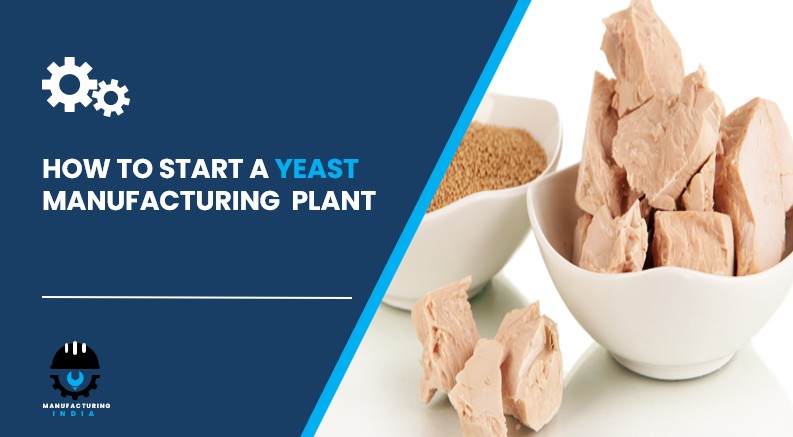
Yeast is a single-celled microorganism belonging to the fungal kingdom, of which Saccharomyces cerevisiae is the most commercially significant and widely cultivated species. Through controlled aerobic and anaerobic fermentation processes, yeast produces a broad range of commercially valuable outputs including carbon dioxide for leavening in bakery applications, ethanol for alcoholic beverage and bioethanol production, and a diverse portfolio of metabolites, proteins, vitamins, enzymes, and bioactive compounds exploited across food, pharmaceutical, and biotechnology industries.
Commercial yeast is produced and marketed in several distinct physical and functional forms suited to different end-use applications. Fresh compressed yeast, sold as moist cakes with high water content, delivers high fermentation activity for industrial bakeries and breweries requiring immediate use. Active dry yeast, produced by low-temperature drying, offers extended shelf life with rehydration before use. Instant dry yeast is ultra-fine dried yeast that can be incorporated directly into dough without prior rehydration. Inactive dried yeast and autolysed yeast extracts are heat-treated, non-viable yeast products used as savoury flavour ingredients and protein-rich nutritional supplements. Pharmaceutical and research-grade yeast strains serve specialised biotechnology and bioprocessing applications.
Primary raw materials for yeast manufacturing include molasses or corn syrup as the primary fermentation carbon source, supplemented with nitrogen sources such as ammonium sulphate or urea, phosphate nutrients, vitamins including biotin, trace minerals, and process water. End-use segments span industrial bakeries and foodservice operators, artisan and retail bakery product consumers, breweries and distilleries, animal feed manufacturers, pharmaceutical companies, nutritional supplement producers, cosmetic ingredient formulators, food flavour and seasoning manufacturers, and industrial biotechnology and bioethanol producers.
Cost of Setting Up a Yeast Manufacturing Plant
The total cost of establishing a yeast manufacturing plant depends on several variables including plant throughput capacity (metric tonnes per year), target product portfolio (baker’s yeast, brewer’s yeast, nutritional yeast, yeast extract, pharmaceutical-grade yeast), level of fermentation automation and process control sophistication, geographic location and access to molasses or alternative carbon feedstocks, cleanroom and aseptic processing requirements for pharmaceutical-grade products, and applicable food safety, environmental, and export certification compliance requirements. A thorough feasibility assessment covering all CapEx and OpEx components is essential before committing capital, given the biotechnology-intensive, contamination-sensitive, and compliance-dependent nature of commercial yeast manufacturing.
1. Capital Expenditure (CapEx)
Capital investment for a yeast manufacturing plant covers several broad cost heads. Land and site development forms a meaningful part of the overall investment, encompassing land registration charges, boundary development, drainage, site grading, cleanroom-grade flooring for fermentation areas, and related civil infrastructure expenses. A typical commercial yeast manufacturing facility requires a land parcel sized to accommodate the raw material receiving and storage area, molasses pre-treatment and dilution facility, seed propagation laboratory, production fermenter hall, biomass separation and dewatering area, drying and processing building, yeast extract processing unit (where applicable), quality control and microbiology laboratory, packaging and dispatch area, effluent treatment plant, and on-site utility installations. Investors may consider locating the facility in food processing zones, agro-industrial parks, or special economic zones for policy incentives and proximity to molasses supply from sugar mill clusters.
Civil works and construction costs cover the seed laboratory with aseptic airlock entry systems, fermentation hall with reinforced flooring for large-scale fermenter vessels, process equipment installation foundations, dewatering and drying area, quality control and microbiology laboratory with biosafety infrastructure, packaging and dispatch zone, effluent treatment area, and the administrative block. Machinery and equipment costs represent the largest single portion of total capital expenditure. Key machinery and equipment required includes:
- Inoculum Preparation and Seed Propagation Systems: Laboratory-scale yeast strain maintenance and preservation systems including cryogenic storage, seed culture flasks, autoclaves and sterilisation systems, bench-top shaker incubators, biosafety cabinets, and stage-wise seed fermenter vessels (typically 5 to 10 litres progressing to 100 to 500 litre pilot-scale propagation fermenters) for building up pure yeast biomass inoculum ahead of production-scale fermentation.
- Production Fermenters and Aeration Systems: Large-scale stainless steel aerobic fermenters (fed-batch or continuous fed-batch design, typically 50 to 400 cubic metres working volume), high-efficiency centrifugal air compressors and sterile air distribution systems, sparger rings and agitation systems for dissolved oxygen control, CIP (clean-in-place) and SIP (steam-in-place) systems for hygienic fermenter sterilisation between batches, temperature control systems with cooling water jackets, pH monitoring and dosing systems, foam detection and antifoam dosing systems, and online dissolved oxygen and carbon dioxide gas analysers.
- Molasses Pre-treatment and Feed Systems: Molasses receiving tanks, clarification and pre-treatment units for removing suspended solids and microbial contaminants, dilution and sterilisation systems, peristaltic and diaphragm feed pumps for precise fed-batch nutrient delivery, nitrogen and phosphate nutrient preparation and dosing tanks, and in-line flow meters and control valves for automated nutrient feeding profiles.
- Biomass Separation and Dewatering Equipment: Continuous-flow disc stack centrifuges for yeast cream separation from fermentation broth, yeast cream wash and concentration systems, rotary vacuum drum filters or pressure filters for further dewatering to produce compressed yeast cake, yeast cream storage tanks with agitation and cooling, and CIP-compatible yeast transfer and pipeline systems.
- Drying Equipment for Dry Yeast Production: Nozzle or rotary atomiser spray dryers for active dry yeast production, multi-pass rotary drum dryers or fluid bed dryers for instant dry yeast, flash dryers for rapid moisture reduction, vibrating fluid bed coolers and conditioners for final product finishing, and heat recovery systems to improve drying energy efficiency.
- Yeast Extract Processing Equipment (Where Applicable): Yeast autolysis tanks with heating and temperature control for controlled cell wall rupture, clarification centrifuges for separation of yeast hulls from soluble extract, evaporators and vacuum concentration systems for liquid yeast extract production, spray dryers for powder yeast extract production, and filtration systems for clarity and colour control.
- Quality Control and Microbiology Laboratory Equipment: Anaerobic and aerobic microbiological incubators, plate count and cell viability analysis systems (haemocytometers, flow cytometers), PCR systems for strain identity and contamination detection, fermentation activity testing equipment (gassing activity testers for baker’s yeast), moisture analysers, protein analysers (Kjeldahl or DUMAS nitrogen analysers), HPLC systems for amino acid and vitamin profile analysis, spectrophotometers, and environmental monitoring systems for production area contamination control.
- Packaging Equipment: Automated multihead weighers and filling machines for compressed yeast block packaging, vacuum packaging systems for fresh yeast preservation, form-fill-seal packaging lines for dry yeast consumer sachets and institutional pouches, bulk bag filling stations for industrial dry yeast, carton erection and sealing machines, palletisers and stretch-wrapping systems, and cold-chain storage and dispatch infrastructure for fresh compressed yeast.
- Effluent Treatment Plant: Biological treatment reactors (activated sludge or anaerobic digestion) for high-BOD yeast processing wastewater, clarifiers, aeration systems, sludge dewatering equipment, and effluent quality monitoring systems to ensure compliance with CPCB and state pollution control discharge norms.
- Utility and Support Systems: Electrical substations and transformers, standby diesel generators for fermentation continuity, high-pressure steam boilers for SIP sterilisation of fermenters, cooling towers and chilled water systems for fermenter temperature control, compressed sterile air supply systems, process water treatment and purification systems, UPS systems for process control and SCADA infrastructure, and HVAC systems for temperature and humidity control in drying and packaging areas.
Other capital costs include utility connections (electricity, steam, cooling water, and internet), pre-operative expenses, plant commissioning costs, import duties on specialised fermentation vessels, spray dryers, and disc stack centrifuges not manufactured domestically, and biotechnology licensing fees where proprietary yeast strains are used under commercial licence.
Request a Sample Report for In-Depth Market Insights: https://www.imarcgroup.com/yeast-manufacturing-plant-project-report/requestsample
2. Operational Expenditure (OpEx)
The operating cost structure of a yeast manufacturing plant is heavily weighted toward raw material and utility expenditure. Raw material costs, primarily molasses or corn syrup as the fermentation carbon substrate along with nitrogen and phosphate nutrients, typically account for 50 to 60% of total operating expenses, making feedstock procurement strategy, supplier relationship management, and fermentation yield optimisation the primary commercial priorities for operational cost control. Utility costs, particularly electricity for aeration compressors, agitation drives, refrigeration, and drying systems, and steam for fermenter sterilisation, account for approximately 25 to 30% of total OpEx, making energy efficiency in fermentation and drying a critical operational lever for margin management.
Additional operating costs include packaging materials (consumer retail sachets and pouches, industrial bulk bags, compressed yeast waxed cartons, and cold-chain packaging), outbound logistics and refrigerated distribution for fresh yeast, salaries and wages for fermentation scientists, process technicians, quality control microbiologists, packaging operators, and warehouse personnel, periodic equipment maintenance and fermenter seal and agitator servicing, laboratory consumables, antifoam agents and process chemicals, yeast strain maintenance and culture media costs, and applicable FSSAI, BIS, CODEX, and export certification and renewal expenditure.
3. Plant Capacity
The proposed yeast manufacturing facility is designed with an annual production capacity ranging between 20,000 to 40,000 metric tonnes, enabling meaningful economies of scale while preserving operational flexibility across the full product range, from compressed fresh baker’s yeast and active dry yeast for industrial bakeries and consumer retail markets to nutritional inactive yeast, autolysed yeast extract for food flavouring, and specialist yeast strains for brewing, distilling, and pharmaceutical applications. Plant capacity can be customised based on the investor’s specific capital availability, target market scale, available feedstock supply infrastructure, and chosen product portfolio across end-use segments such as bakery ingredient supply, beverage fermentation, animal nutrition, nutritional supplement manufacturing, and industrial biotechnology.
Profitability improves considerably at higher capacity utilisation levels, given the significant fixed-cost component of fermentation vessel infrastructure, sterilisation systems, drying equipment, and quality control laboratories, making early offtake agreements with industrial bakery chains, food ingredient distributors, brewery and distillery operators, animal feed compounders, and pharmaceutical ingredient buyers strategically important for achieving break-even at pace.
4. Profit Margins and Financial Projections
A yeast manufacturing plant demonstrates healthy profitability potential under normal operating conditions. Gross profit margins typically range between 35 to 45%, supported by stable and structurally growing demand across bakery, beverage, animal nutrition, pharmaceutical, and biotechnology markets; the rising consumption of convenience and packaged food products driving large-scale industrial bakery expansion in emerging economies; increasing adoption of yeast-based nutritional ingredients in human and animal dietary applications; and differentiation opportunities through premium nutritional yeast, speciality extracts, pharmaceutical-grade active ingredients, and proprietary functional yeast strains for high-value end markets. Net profit margins range between 15 to 20%. Financial projections incorporate NPV analysis, IRR calculations, payback period modelling, and sensitivity analysis across plant capacity utilisation, molasses price scenarios, utility cost variations, and end-market demand conditions, providing investors with a comprehensive view of long-term financial viability.
Why Set Up a Yeast Manufacturing Plant?
Essential Biological Ingredient Across Multiple Industries: Yeast is a non-substitutable biological input across bakery, brewing, distilling, animal nutrition, pharmaceutical, and industrial biotechnology sectors. As both a functional fermentation agent and a nutritionally rich biological material, yeast underpins the daily production operations of industries serving billions of consumers worldwide, making yeast manufacturing an inherently resilient and structurally supported investment category.
Stable and Recurrent Multi-Sector Demand: Demand for yeast is driven by essential daily consumption categories including bread and bakery, beer and spirits, and animal-derived food products, ensuring predictable and recurring institutional purchase volumes from industrial bakeries, breweries, feed mills, and food ingredient distributors that anchor commercial revenue with minimal seasonality.
Alignment with Health, Nutrition, and Natural Ingredient Trends: Growing consumer demand for gut health solutions, natural B-vitamin supplementation, plant-based protein sources, and clean-label food ingredients is driving strong growth in nutritional yeast, inactive yeast, and yeast beta-glucan segments. This trend supports premium-margin product opportunities for manufacturers capable of producing certified food-grade and pharmaceutical-grade nutritional yeast formats.
Industrial Biotechnology and Bioeconomy Expansion: Yeast fermentation technology is a foundational platform for the emerging bioeconomy, enabling production of bioethanol, organic acids, enzymes, recombinant proteins, and specialty chemicals. Expanding government biofuel mandates, growth in enzyme manufacturing, and commercialisation of synthetic biology applications are creating significant new industrial yeast demand beyond traditional food sector end markets.
Animal Nutrition and Feed Additive Market Growth: The global animal feed industry is rapidly adopting yeast-based feed additives, including yeast cell wall extracts, mannan-oligosaccharides (MOS), beta-glucans, and live yeast cultures, to improve gut health, feed conversion efficiency, and immune function in poultry, swine, and aquaculture, creating a high-growth and premium-margin institutional market for specialised yeast producers.
Localisation Advantage and Supply Chain Resilience: Yeast, particularly compressed fresh baker’s yeast, has a short shelf life requiring proximity between production facilities and end users. Establishing local manufacturing reduces cold-chain logistics costs and lead times, improves product freshness and fermentation performance reliability for bakery customers, and insulates against international supply disruptions affecting import-dependent yeast buyers.
Strategic Partnership and Licensing Opportunities: The global yeast industry is characterised by active technology transfer and commercial licensing activity, with leading biotechnology companies seeking regional manufacturing partners for proprietary yeast strain deployment. Strategic alliances with international yeast technology companies provide access to advanced fermentation protocols, high-performance commercial strains, and global distribution networks that accelerate market entry for new plant operators.
Scalable Fermentation Platform for Future Products: A commercial yeast fermentation facility represents a versatile biological manufacturing platform that can be leveraged for progressive expansion into adjacent high-value fermentation products including yeast extracts, beta-glucans, protein hydrolysates, recombinant enzymes, organic acids, and other biotechnology applications, enabling long-term revenue growth without full-scale greenfield reinvestment.
How Yeast Is Manufactured
The yeast manufacturing sequence encompasses raw material preparation and sterilisation, inoculum culture and seed propagation, production-scale aerobic fed-batch fermentation, biomass separation and dewatering, optional processing into compressed fresh yeast or drying into active dry or instant dry yeast formats, quality inspection and release testing, packaging, and dispatch as the core stages of commercial production. Each stage involves specific unit operations, contamination control protocols, and quality assurance checkpoints aligned to food safety, microbiological, and certification standards including FSSAI, CODEX Alimentarius, BIS, ISO 9001, ISO 22000, and applicable pharmaceutical and export specifications.
- Molasses or corn syrup received at the plant undergoes pre-treatment including dilution, sterilisation by heat treatment, and clarification to remove suspended solids, colour compounds, and microbial contaminants. Nutrient solutions including nitrogen source (ammonium sulphate), phosphate, vitamins (biotin), and trace minerals are prepared in designated dosing tanks and sterilised ready for precise fed-batch delivery during fermentation. Water used in the process is treated and purified to remove chlorine, hardness, and microbiological contamination.
- Pure-culture Saccharomyces cerevisiae strains are maintained in cryogenic storage and revived through a series of progressively scaling propagation steps in aseptic conditions. Starting from agar slant or cryovial cultures, the yeast is grown through flask cultures, bench-top bioreactors, and successive seed fermenter vessels under controlled temperature, pH, aeration, and agitation conditions to build up a sufficient volume and cell density of pure, viable inoculum for transfer into production-scale fermenters.
- Production-scale stainless steel fermenters are cleaned (CIP) and sterilised (SIP) prior to each batch. Seed inoculum is transferred aseptically into the production fermenter containing sterilised dilute molasses medium. The fermentation is operated as a fed-batch process where concentrated molasses and nutrient feeds are added continuously at controlled rates to maintain sub-saturating sugar concentrations that favour yeast biomass growth over ethanol formation. Dissolved oxygen, temperature, pH, foam level, and carbon dioxide evolution are monitored and controlled continuously throughout the 12 to 24 hour fermentation cycle.
- At the end of fermentation, the yeast broth (containing 3 to 6% dry solids) is pumped to continuous-flow disc stack centrifuges where yeast cells are separated from the spent fermentation liquor to produce concentrated yeast cream at 15 to 20% dry matter. The yeast cream is washed with fresh water to remove residual molasses compounds, further concentrated by a second centrifuge pass, and stored in agitated, temperature-controlled yeast cream tanks pending downstream processing.
- Yeast cream destined for compressed fresh yeast production is filtered through rotary vacuum drum filters or pressure filters to reduce moisture to approximately 68 to 72% water content, yielding a firm, mouldable yeast paste. The yeast paste is blended with food-grade additives where required, then formed, cut, and wrapped into standard compressed yeast blocks (typically 500 g or 1 kg formats for industrial bakery) and packed into cold-chain cartons for immediate refrigerated dispatch, as compressed yeast has a shelf life of 2 to 4 weeks under refrigeration.
- For active dry yeast production, yeast cream is fed to continuous spray dryers or paddle dryers where moisture is reduced to 7 to 8% under carefully controlled temperature profiles to preserve cell viability while achieving the structural changes required for rehydration-dependent activation. For instant dry yeast production, yeast cream is spray-dried to 4 to 5% moisture at lower temperatures, producing very fine, highly permeable particles that can be incorporated into dough without pre-rehydration. Product temperature during drying is carefully managed to prevent excessive loss of fermentative activity.
- For nutritional yeast or yeast extract production, yeast cream is subjected to controlled autolysis where yeast cells are incubated at elevated temperatures (typically 45 to 55 degrees Celsius) under precisely timed and pH-controlled conditions to activate endogenous enzymes that break down cell walls and release intracellular proteins, nucleotides, and vitamins. The resulting hydrolysate is centrifuged to separate insoluble yeast hulls from the soluble extract, which is concentrated by evaporation and spray-dried into powder or retained as a liquid product for food ingredient and flavouring applications.
- Samples from each fermentation batch, at key process stages and from the finished product, are subjected to comprehensive quality testing covering viable cell count and cell viability, fermentative activity and gassing power, moisture content, pH, protein content, microbiological screening for contamination by undesirable organisms (bacteria, wild yeast, moulds), heavy metal testing, and identity confirmation by strain-specific molecular methods. Batches meeting all release specifications are approved for dispatch; non-conforming batches are quarantined and assessed for rework or rejection.
- Released yeast products are conveyed to automated packaging stations where compressed yeast is wrapped, cartonised, and palletised for cold-chain dispatch; dry yeast is filled into consumer sachets, institutional pouches, or industrial bulk bags using form-fill-seal or rotary filling machines; and nutritional yeast powder or extract is filled into drums, bulk bags, or consumer retail packaging. Finished goods pass metal detection systems before palletisation and labelling for distribution to industrial bakery customers, food ingredient distributors, animal feed manufacturers, or export channels.
Key Applications
Yeast manufactured at a dedicated commercial facility serves a broad range of end-use channels across food, beverage, nutrition, pharmaceutical, and industrial biotechnology sectors, each with distinct product form, quality specification, certification, and supply chain requirements.
Bakery and Confectionery Industry
Baker’s yeast is the primary leavening agent used in bread, rolls, buns, pizza bases, croissants, doughnuts, and fermented flatbreads across both industrial and artisanal bakery operations. Commercial bakeries consume compressed fresh or instant dry yeast in bulk quantities as an essential daily production input. Rising bread consumption in emerging economies, expansion of organised retail bakery chains, and the growth of in-store bakery sections in modern retail are structural demand drivers for industrial baker’s yeast.
Alcoholic Beverage Production
Brewer’s yeast and distiller’s yeast are essential fermentation agents in beer, wine, cider, whisky, rum, gin, and vodka production. Specific yeast strains are selected and supplied for their fermentation performance characteristics, flavour compound production profiles, alcohol tolerance, and flocculation properties. The expanding craft brewing sector, premium spirits category growth, and increasing beer market penetration in developing countries sustain strong institutional demand for specialist beverage fermentation yeast.
Animal Feed and Aquaculture Nutrition
Yeast-based feed additives including whole live yeast cultures, yeast cell wall extracts, mannan-oligosaccharides (MOS), beta-glucan fractions, and autolysed yeast proteins are incorporated into poultry, swine, ruminant, and aquaculture feed formulations to improve gut microbiome balance, enhance immune response, increase feed conversion efficiency, and replace growth-promoting antibiotics under antibiotic stewardship regulations. This segment represents a high-growth, premium-margin institutional market for specialised functional yeast producers.
Human Nutritional Supplements and Functional Foods
Nutritional inactive yeast is consumed as a direct dietary supplement and functional food ingredient for its high content of complete proteins, B-vitamins including thiamine, riboflavin, niacin, B6, and folate, minerals, and prebiotic fibre compounds. It is used in consumer health supplement tablets and capsules, nutritional yeast flakes for fortified food applications, and as a cheese-flavour substitute in plant-based and vegan food products. Growing consumer awareness of yeast as a natural protein and micronutrient source is driving strong growth in this premium category.
Food Flavouring and Savoury Ingredient Industry
Autolysed and hydrolysed yeast extracts are widely used as savoury flavour enhancers, umami boosters, and salt reduction aids across processed soups, sauces, seasonings, snack foods, ready meals, and meat products. Yeast extracts provide the depth of flavour and mouthfeel previously achieved by monosodium glutamate (MSG), making them a clean-label alternative preferred by food manufacturers seeking natural ingredient positioning. This represents a premium-value industrial ingredient market with strong and growing demand from food processing companies.
Pharmaceutical and Biotechnology Applications
Pharmaceutical-grade yeast is used in the production of recombinant vaccines including Hepatitis B vaccine, insulin and human growth hormone via engineered yeast expression systems, enzyme preparations for pharmaceutical and diagnostic applications, oral rehydration formulations, and probiotic pharmaceutical products. Yeast-derived beta-glucan is registered as an immunomodulatory compound in several pharmaceutical markets. This high-value regulated segment requires the most stringent purity, identity, and GMP compliance standards.
Bioethanol and Industrial Fermentation
Industrial yeast strains with high alcohol yield, thermal tolerance, and inhibitor resistance are used at multi-million-litre scale in bioethanol fermentation from sugarcane, corn, cassava, and lignocellulosic feedstocks for fuel-grade and industrial alcohol production. The expanding global biofuel mandate framework and growing bioeconomy investment create significant demand for high-performance industrial yeast in grain alcohol distilleries and cellulosic ethanol plants, representing a high-volume institutional market for industrial yeast manufacturers with appropriate strain portfolios.
Leading Yeast Manufacturers
The global yeast manufacturing industry is served by a small number of large multinational fermentation companies with extensive global production networks, alongside regional producers serving domestic bakery, brewing, and feed markets. Key players include:
- Lesaffre International (France)
- Associated British Foods plc / AB Mauri Foods Inc. (UK/USA)
- Lallemand Inc. (Canada)
- Angel Yeast Co., Ltd. (China)
- Oriental Yeast India Pvt. Ltd. (India)
- Alltech Inc. (USA)
- Archer Daniels Midland Company (USA)
- Chr. Hansen / Novonesis (Denmark)
- Leiber GmbH (Germany)
- Synergy Flavors (USA)
- Kothari Fermentation and Biochem Ltd. (India)
- Bioprox (France)
Timeline to Start the Plant
Investors planning a yeast manufacturing plant should anticipate the following phased development timeline, typically ranging from 18 to 30 months depending on site development requirements, regulatory approval timelines, and the procurement and commissioning lead times for fermentation vessels, sterilisation systems, disc stack centrifuges, spray dryers, and effluent treatment infrastructure:
- Feasibility study and detailed project report preparation including site-specific raw material supply assessment and feedstock logistics analysis
- Land acquisition, site assessment, and utility availability evaluation including electricity, steam, cooling water, and process water supply capacity
- Regulatory approvals: Factory Licence, FSSAI food-grade manufacturing licence, Environmental Clearance, Consent to Establish, biotechnology containment level compliance certification (where applicable), and utility connections
- Civil construction: fermentation hall with deep pile foundations for fermenter vessels, seed propagation laboratory with airlock and biosafety infrastructure, dewatering and drying building, packaging zone, microbiology quality control laboratory, effluent treatment plant, and administrative block
- Specialised machinery procurement, installation, and commissioning: fermentation vessels, sterilisation systems, centrifuges, dryers, packaging lines, effluent treatment plant, and utility infrastructure
- Molasses and nutrient supply chain development through qualified supplier agreements with sugar mills and chemical suppliers for consistent feedstock and process chemical supply
- Plant commissioning, fermenter sterilisation validation, inoculum preparation procedures, trial fermentation runs, and process optimisation to achieve target biomass yield and product quality
- Product qualification, FSSAI certification, BIS certification where applicable, CODEX compliance documentation, export market certification, and industrial customer technical qualification and supply agreement negotiation
- Distribution channel development, industrial bakery and food ingredient customer key account relationships, animal feed and brewery supply agreements, and commercial production ramp-up to design capacity
Licences and Regulatory Requirements
Starting a yeast manufacturing unit requires several approvals, which vary by country and jurisdiction:
- Business registration (Proprietorship, LLP, or Private Limited Company)
- FSSAI (Food Safety and Standards Authority of India) Central or State licence for food-grade yeast manufacturing, processing, and packaging
- BIS Certification under applicable Indian Standards for dried yeast and food-grade yeast products
- Factory Licence under applicable factories legislation
- Industrial Entrepreneur Memorandum (IEM) filing with the Department for Promotion of Industry and Internal Trade (India)
- Environmental Clearance from the relevant national or state authority (mandatory given the high BOD of yeast processing effluents and fermentation off-gas management requirements)
- Consent to Establish and Consent to Operate from the relevant State Pollution Control Board, with wastewater treatment and air emission compliance requirements
- Biotechnology regulatory compliance under the Rules for the Manufacture, Use, Import, Export and Storage of Hazardous Microorganisms (Environment Protection Act 1986) where genetically modified yeast strains are used
- CE marking certification (mandatory for export to European Union markets)
- CODEX Alimentarius compliance for international food-grade yeast standards
- HALAL and KOSHER certification (where required for export to GCC, Middle East, and international food markets)
- ISO 9001 Quality Management System certification
- ISO 22000 Food Safety Management System certification or HACCP plan implementation
- ISO 14001 Environmental Management System certification
- ISO 45001 Occupational Health and Safety Management System certification
- GMP certification for pharmaceutical-grade yeast and yeast-derived ingredient production
- EPR (Extended Producer Responsibility) registration for packaging compliance in India
- GST Registration
- Fire Safety NOC
- Electricity Board approval and grid connectivity permits
- Import or Export Code (IEC) for international trade in food ingredients and fermentation products
- MSME registration (where applicable, for access to government subsidy and incentive schemes)
Key Challenges to Consider
Feedstock Price Volatility and Supply Chain Concentration
Molasses, the primary fermentation carbon feedstock, is a by-product of sugar manufacturing and is subject to significant price volatility driven by sugar market cycles, monsoon-dependent agricultural production, and competition for molasses from ethanol distilleries, animal feed compounders, and other fermentation industries. Supply concentration in sugar mill clusters creates geographic dependencies that can result in procurement challenges during periods of low sugar production or high molasses demand. Yeast manufacturers must implement robust feedstock procurement strategies, including long-term supply agreements, multi-supplier sourcing, and alternative carbon source development, to manage feedstock cost and availability risk.
Fermentation Contamination and Strain Integrity Management
Commercial yeast fermentation at large scale is vulnerable to contamination by bacteriophages, wild yeast strains, lactic acid bacteria, and other microorganisms that can dramatically reduce batch yields, compromise product quality, and cause complete batch failures. Maintaining stringent aseptic techniques, effective CIP and SIP protocols, rigorous inoculum purity standards, and comprehensive environmental monitoring throughout the production facility is operationally demanding and requires sustained investment in microbiological expertise and quality management infrastructure.
High Utility Cost Intensity
Yeast manufacturing is highly energy-intensive, with compressed sterile air supply for aerobic fermentation, steam generation for vessel sterilisation, and drying operations accounting for 25 to 30% of total operating costs. Electricity for aeration compressors, agitation drives, refrigeration for fresh yeast storage and dispatch, and cooling tower systems represents a major recurring operational cost. Managing utility cost efficiency through heat recovery, energy-efficient compressor selection, optimised drying schedules, and renewable energy procurement is a critical factor in maintaining competitive margins.
Cold-Chain Infrastructure Requirement for Fresh Yeast
Compressed fresh baker’s yeast, which retains the highest fermentative activity, requires continuous refrigeration at 2 to 8 degrees Celsius from the point of manufacture through dispatch, distribution, and storage at the bakery customer. Establishing and maintaining a reliable cold-chain distribution network requires significant investment in refrigerated storage facilities, temperature-controlled transport vehicles, and last-mile cold-chain management, increasing logistics costs and operational complexity relative to shelf-stable dry yeast formats.
Effluent Management and Environmental Compliance
Yeast manufacturing generates large volumes of high-BOD (biochemical oxygen demand) effluent from fermenter washings, spent fermentation liquor (vinasse), centrifuge effluents, and cleaning and sanitation operations. Treatment of this effluent to meet State Pollution Control Board discharge standards requires substantial capital investment in biological effluent treatment infrastructure and ongoing operational expenditure on energy and chemicals for wastewater management. Non-compliance with effluent standards carries significant regulatory and reputational risk.
Technical Workforce and Fermentation Expertise Availability
Yeast manufacturing requires a technically skilled workforce including fermentation scientists, microbiologists, biochemical engineers, process control technicians, and quality assurance specialists with relevant expertise in industrial fermentation, contamination control, and biological product quality management. Availability of qualified fermentation industry professionals, particularly outside major industrial cities, and management of employee attrition in a competitive life sciences and food technology talent market represent ongoing workforce challenges for commercial yeast plant operators.
Product Shelf Life and Storage Sensitivity
Commercial yeast products vary significantly in their shelf life and storage sensitivity. Compressed fresh yeast has a shelf life of only 2 to 4 weeks under refrigeration and is highly sensitive to temperature deviations, making inventory management and just-in-time production scheduling critical operational disciplines. Active dry and instant dry yeast, while offering extended shelf life of 12 to 24 months under dry conditions, are sensitive to humidity and oxygen exposure, requiring appropriate packaging material selection and storage condition management throughout the supply chain.
Competition from Established Multinational Yeast Producers
The global yeast industry is highly consolidated, with a small number of large multinational companies including Lesaffre, AB Mauri, Lallemand, and Angel Yeast commanding significant market shares through scale, proprietary strain portfolios, integrated global supply chains, and long-standing customer relationships across industrial bakery, brewing, and feed markets. New domestic manufacturers must differentiate through supply chain proximity, product customisation, superior technical service to bakery and brewery customers, cost efficiency, government-supported preferential procurement, and progressive product portfolio expansion into premium nutritional and specialty yeast segments.
Project Economics
Capital Expenditure (CapEx) and Operational Expenditure (OpEx) Analysis
Capital Investment (CapEx)
Fermentation vessel systems, sterilisation infrastructure, disc stack centrifuges, spray and fluid bed drying equipment, and quality control microbiology laboratory systems account for the largest portion of total capital expenditure. The cost of land and site development including civil construction of the fermentation hall, seed propagation laboratory, dewatering and drying building, packaging zone, effluent treatment plant, and administrative block forms a substantial part of the overall investment, ensuring a solid foundation for safe, food-grade-compliant, and contamination-controlled plant operations across the multi-year asset depreciation cycle.
Operating Expenditure (OpEx)
In the first year of operations, the operating cost for the yeast manufacturing plant is projected to be significant, covering raw material and feedstock procurement (molasses or corn syrup and process nutrients, accounting for approximately 50 to 60% of total OpEx), utilities including electricity for aeration and drying, steam for sterilisation, and cooling water (25 to 30% of OpEx), packaging materials, transportation and refrigerated distribution logistics, salaries and wages for fermentation scientists, process technicians, quality control microbiologists, and warehouse personnel, depreciation, taxes, equipment maintenance, effluent treatment operating costs, and applicable food safety and environmental certification costs. By the fifth year, the total operational cost is expected to increase due to molasses price movements, utility tariff increases, labour cost growth, and logistics cost inflation.
Frequently Asked Questions
1. How much does it cost to set up a yeast manufacturing plant?
Total setup cost depends on plant throughput capacity (metric tonnes per year), target product portfolio (baker’s yeast, nutritional yeast, yeast extract, pharmaceutical-grade), level of fermentation and process automation, cold-chain infrastructure requirements for fresh yeast, geographic location and feedstock proximity, and applicable regulatory certification requirements. Capital investment covers land, civil works, fermentation vessels, sterilisation systems, centrifuges, drying equipment, packaging lines, quality laboratory equipment, effluent treatment plant, and pre-operative costs. A detailed project report provides capacity-specific cost estimates.
2. Is yeast manufacturing profitable?
Yes. Gross profit margins typically range between 35 to 45% and net margins between 15 to 20%, supported by stable and growing demand across bakery, beverage, animal nutrition, pharmaceutical, and industrial biotechnology markets, rising consumer adoption of nutritional yeast and yeast-based functional ingredients, and product differentiation opportunities through premium nutritional, specialty, and pharmaceutical-grade yeast formats.
3. What machinery is required for a yeast manufacturing plant?
Essential machinery and equipment includes seed propagation bioreactors, production-scale aerobic fermentation vessels with CIP and SIP systems, molasses pre-treatment and nutrient dosing systems, disc stack centrifuges for biomass separation, rotary vacuum filters for dewatering, spray dryers and fluid bed dryers for dry yeast production, autolysis and evaporation systems for yeast extract, automated packaging lines, metal detectors, effluent treatment plant, and quality control microbiology laboratory instruments.
4. What licences are required to start a yeast manufacturing plant?
Required approvals include business registration, FSSAI food-grade manufacturing licence, BIS product certification where applicable, Factory Licence, Environmental Clearance, Consent to Establish and Operate from the State Pollution Control Board, biotechnology regulatory compliance for GM strains, CODEX compliance for export markets, ISO 22000 or HACCP food safety certification, GST registration, fire safety NOC, and Import/Export Code.
5. What raw materials are needed for yeast manufacturing?
Primary raw materials include molasses or corn syrup (fermentation carbon source), ammonium sulphate or urea (nitrogen source), diammonium phosphate or phosphoric acid (phosphate nutrients), biotin and other B-vitamins (growth factors), magnesium sulphate and trace mineral salts, antifoam agents (food-grade vegetable oil or silicone-based), process water, cleaning chemicals (caustic soda, nitric acid for CIP), steam (for SIP sterilisation), and packaging materials (compressed yeast cartons and wrapping film, dry yeast sachets and pouches).
6. What are the environmental compliance requirements?
Operators must obtain Consent to Operate, implement effluent treatment for high-BOD yeast processing wastewater including fermenter washings and spent molasses liquor, manage air emissions from drying and fermentation off-gas through scrubbers and biofilters, comply with CPCB and state pollution control board discharge norms, implement Extended Producer Responsibility (EPR) programmes for packaging, and maintain ISO 14001 certified environmental management systems.
7. What is the best location to set up a yeast manufacturing plant?
Ideal locations offer proximity to molasses supply from sugar mill clusters (minimising feedstock logistics costs), access to reliable and cost-competitive electricity and steam utilities (which are major operating costs), availability of high-quality fermentation science and engineering workforce, compliance with industrial zoning and effluent discharge regulations, logistics connectivity for distribution to industrial bakery, brewery, and animal feed customers, and government-designated food processing or agro-industrial zones for policy incentives.
8. How long does it take to start a yeast manufacturing plant?
The timeline typically ranges from 18 to 30 months, depending on site development requirements, regulatory approval timelines (particularly Environmental Clearance and FSSAI licensing), procurement lead times for large-scale fermentation vessels, spray dryers, and disc stack centrifuges, effluent treatment plant construction, and the duration of commissioning, fermentation process validation, and product quality qualification before commercial production commencement.
9. What government incentives are available for yeast manufacturers?
In India, food processing sector capital subsidy schemes under the Ministry of Food Processing Industries (MoFPI), Production Linked Incentive (PLI) scheme for food processing, state-level agro-industrial zone incentives, MSME subsidy programmes, and Export Promotion Capital Goods (EPCG) scheme benefits provide financial support including capital subsidies, interest subvention, power tariff concessions, and stamp duty exemptions for eligible yeast manufacturing investments. Bioeconomy and fermentation biotechnology development programmes under Department of Biotechnology (DBT) may provide additional support for biotechnology-enabled yeast production.
10. What is the break-even period for a yeast manufacturing plant?
Break-even typically ranges from 3 to 5 years, depending on scale, product mix between commodity baker’s yeast and premium-margin nutritional or specialty yeast formats, feedstock procurement cost, utility tariff levels, and the pace of securing offtake contracts with industrial bakeries, food ingredient distributors, brewery operators, animal feed manufacturers, and export trading partners. Securing long-term supply agreements with anchor institutional customers during the ramp-up phase significantly accelerates the break-even trajectory and improves project economics.
Key Takeaways for Investors
The yeast manufacturing plant opportunity is underpinned by sustained demand growth across bakery and food processing, alcoholic beverage production, animal nutrition, pharmaceutical ingredient, and industrial biotechnology markets, all aligned with global food consumption growth, the urbanisation-driven expansion of convenience food categories, rising health and nutrition awareness driving functional ingredient adoption, and the accelerating deployment of yeast fermentation technology in the bioeconomy.
The structural expansion of organised retail bakery and packaged food industries in emerging economies, growing enterprise adoption of yeast-based feed additives in animal nutrition under antibiotic reduction policies, rising consumer demand for natural protein sources and B-vitamin-rich nutritional supplements, the expanding craft brewing and premium spirits industry, and India’s growing fermentation biotechnology ecosystem supported by agro-industrial feedstock availability and government food processing incentive programmes create a robust, diversified, and multi-channel demand base for well-positioned domestic yeast manufacturers.
With a well-defined market demand base across multiple structurally growing end-use sectors, healthy gross margin potential of 35 to 45% supported by proven fermentation economics and multi-product platform capability, strong differentiation opportunities through certified food-grade, nutritional, specialty, and pharmaceutical-grade yeast formats, the critical supply chain proximity advantage of local fresh yeast production for domestic bakery and brewery customers, and the foundational role of commercial yeast manufacturing in supporting food security, nutritional health, and bioeconomy development, yeast manufacturing offers both medium-term commercial viability and long-term strategic relevance for well-positioned operators with strong fermentation science capabilities, reliable feedstock access, diversified product portfolio development, and established institutional customer relationships.
About the Author