Carpet Manufacturing Plant Setup in India
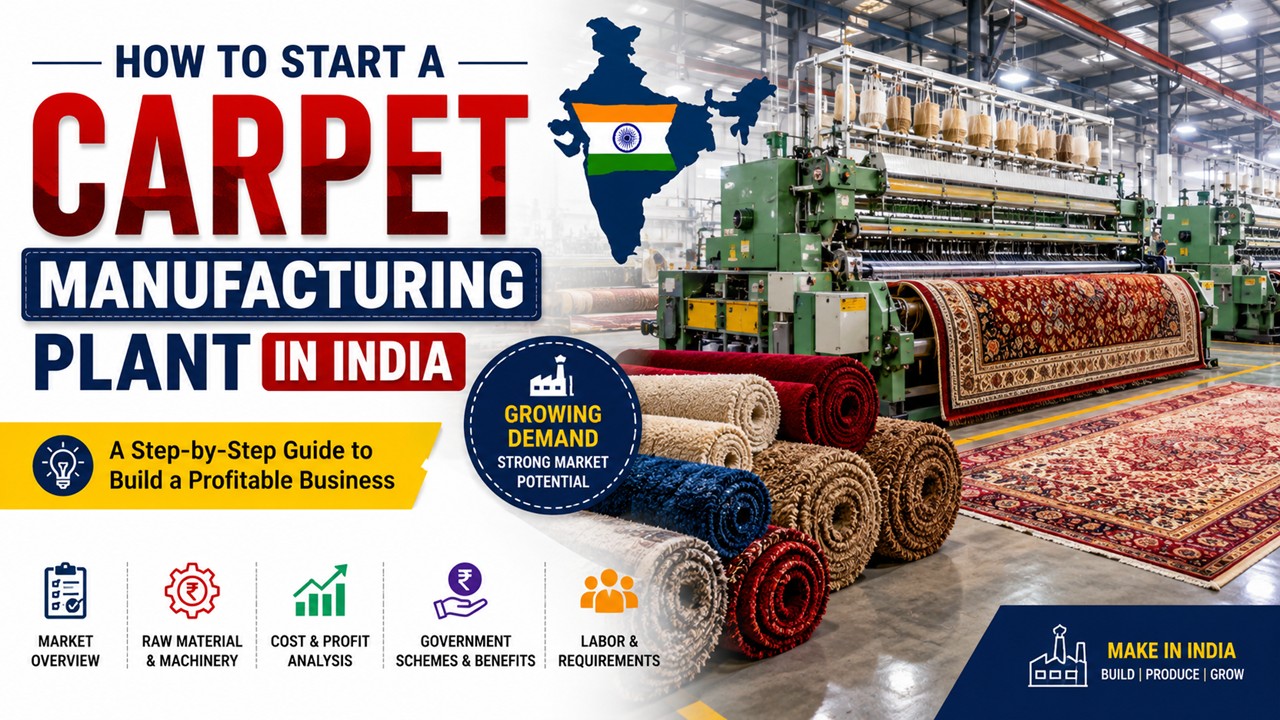
Setting up a carpet manufacturing plant in India presents a compelling investment case, driven by the growing demand for floor coverings in residential, commercial, and industrial spaces. The carpet industry is influenced by factors such as interior design trends, rising disposable incomes, and the growing focus on home decor and sustainability. Carpets are an essential part of residential homes, providing warmth, comfort, and design variety, while commercial spaces such as offices, hotels, and shopping centers require durable solutions to withstand high foot traffic. Additionally, the industrial sector uses carpets for insulation and sound absorption in factories and warehouses, and the automotive industry incorporates carpets inside vehicles for insulation, comfort, and interior aesthetics.
India’s accelerated urbanization, expansion in residential and commercial infrastructure projects, and the government’s “Make in India” initiative provide strong tailwinds for domestic manufacturing. Key carpet-producing states include Uttar Pradesh, particularly the Bhadohi-Mirzapur belt, a major hub for handmade carpet production and export. Furthermore, the Confederation of Real Estate Developers’ Associations of India (CREDAI) projects the real estate sector to reach USD 1 trillion by 2030, directly boosting demand for flooring solutions like carpets. With accelerating disposable income, rising urbanization levels, and increasing demand for interior decor solutions, India offers a strategically sound environment for establishing a carpet manufacturing facility.
India’s carpet market presents strong investment potential, bolstered by policy support like Make in India, rapid urbanization, and a booming real estate sector. With gross margins typically ranging between 30-40% and net margins of 15-22%, investors can achieve healthy profitability and a viable break-even timeline.
What is a Carpet?
A carpet is a textile floor covering woven or tufted from fibers such as wool, nylon, polyester, or polypropylene. Carpets are manufactured in various forms, including plush, loop, and patterned styles, offering benefits like insulation, noise reduction, and aesthetic appeal. The manufacturing process involves yarn spinning, dyeing, weaving or tufting, backing, and finishing. Modern trends have led to the creation of eco-friendly and sustainable carpets, with recycled fibers and natural dyes becoming more popular. Key end-use industries served include residential (living rooms, bedrooms, bathrooms), commercial (offices, hotels, retail stores), industrial (factories, warehouses), and automotive (cars, trucks).
Cost of Setting Up a Carpet Manufacturing Plant in India
The total cost of setting up a carpet manufacturing plant in India depends on several critical factors, including plant capacity, technology, location, automation levels, and regulatory compliance requirements.
1. Capital Expenditure (CapEx)
The total capital investment required for establishing a carpet manufacturing plant covers land acquisition, site preparation, and necessary infrastructure. Machinery costs account for the largest portion of total capital expenditure. Land and site development costs, including charges for land registration, boundary development, and related expenses, form a substantial part of the overall investment.
Key machinery required includes:
- Spinning machines
- Weaving and tufting machines
- Dyeing machines
- Backing machines
- Cutting equipment
Other capital costs include civil works (production shed, quality control lab, raw material and finished goods storage, administrative block), effluent treatment plant (ETP), and pre-operative and commissioning expenses.
Request a Sample Report for In-Depth Market Insights: https://www.imarcgroup.com/carpet-manufacturing-plant-project-report/requestsample
2. Operational Expenditure (OpEx)
The operating cost structure of a carpet manufacturing plant is primarily driven by raw material consumption, which accounts for approximately 65-75% of total OpEx, followed by utilities at 15-20%. Raw materials required include nylon/polyester/wool fibers, backing material (latex), and dyes. Implementing long-term contracts with reliable suppliers helps mitigate price volatility. Other OpEx components include salaries and wages, packing costs, transportation costs, repairs and maintenance, depreciation, and taxes. By the fifth year, the total operational cost is expected to increase substantially due to inflation, market fluctuations, and potential rises in the cost of key materials.
3. Plant Capacity
The proposed manufacturing facility is designed with an annual production capacity ranging between 5-20 million square meters, enabling economies of scale while maintaining operational flexibility. Plant capacity can be customized per investor requirements. Profitability improves significantly with higher capacity utilization.
4. Profit Margins and Financial Projections
The project demonstrates healthy profitability potential under normal operating conditions. Gross profit margins typically range between 30-40%, and net profit margins are projected at 15-22%. Financial analysis includes comprehensive projections of net present value (NPV), internal rate of return (IRR), payback period, income projections, expenditure projections, and profit and loss accounts.
Why Set Up a Carpet Plant in India?
Growing Demand in Residential and Commercial Sectors
The growing demand for aesthetically pleasing, comfortable, and long-lasting flooring products for both residential and commercial use is boosting the carpet market.
Aesthetic Appeal and Comfort
The demand for carpets is fueled by their ability to add value to interior decor through texture, color, and warmth, making them popular for both residential and office use.
Rising Interest in Sustainable Products
The growing trend towards eco-friendly carpets, especially those made from recycled fibers, is becoming increasingly popular due to the growing demand for sustainable building products.
Policy and Regulatory Tailwinds
The “Make in India” initiative and state-level industrial policies encourage domestic manufacturing. Major carpet-producing states like Uttar Pradesh (Bhadohi-Mirzapur belt) have established infrastructure and skilled labor pools.
Active Industry Investment
In July 2025, Asterlane entered the carpet manufacturing industry, producing carpets at a manufacturing unit in Banaras, India, selling through major e-commerce platforms like Amazon, Flipkart, and Pepperfry. Asterlane aims to double its revenue from INR 1.37 crore in FY25 to INR 3 crore in FY26.
Local Supply Chain Preference
Real estate developers, hospitality chains, and automobile companies increasingly source carpets locally to reduce logistics costs and support domestic manufacturing, enhancing the viability of local production facilities.
Manufacturing Process – Step by Step
The carpet manufacturing process uses yarn spinning, dyeing, weaving or tufting, backing, and finishing as the primary production method.
- Raw Material Sourcing: Reliable suppliers must be secured for raw materials like nylon/polyester/wool fibers, backing material (latex), and dyes to ensure consistent production quality.
- Yarn Spinning: Fibers such as wool, nylon, polyester, or polypropylene are processed into yarn suitable for carpet production.
- Dyeing: The yarn is dyed to achieve desired colors and patterns.
- Weaving or Tufting: Yarn is woven or tufted into a primary backing fabric to create the carpet pile. Key equipment includes weaving and tufting machines.
- Backing: A secondary backing material (latex) is applied to add strength, stability, and durability.
- Finishing: The carpet undergoes finishing processes including cutting to specified dimensions using cutting equipment.
- Quality Assurance: A comprehensive quality management system is implemented to ensure consistent product and service standards. Standard operating procedures (SOPs), documentation protocols, and traceability mechanisms are maintained.
- Dispatch and Packaging: Finished carpets are packaged and dispatched to end-use industries including residential, commercial, industrial, and automotive sectors.
Key Applications
Carpets serve a diverse range of industries and applications:
- Residential: Carpets provide warmth, comfort, and design variety in living rooms, bedrooms, bathrooms, and hallways.
- Commercial: Durable and long-lasting carpets are installed in offices, hotels, shopping centers, and retail stores to withstand high traffic.
- Industrial: Industrial carpets provide insulation and sound absorption in factories and warehouses.
- Automotive: Carpets are installed inside vehicles for insulation, sound absorption, comfort, and interior aesthetics.
Leading Manufacturers
Leading manufacturers in the global carpet industry include several multinational companies with extensive production capacities and diverse application portfolios.
- Beaulieu International Group
- Brumark (Exploring, Inc.)
- Dorsett Industries, Inc.
- Interface, Inc.
- Lowe‘s Companies, Inc.
- Mannington Mills, Inc.
These key players serve end-use sectors such as residential, commercial, industrial, and automotive.
Timeline to Start the Plant
- Feasibility study and project report preparation
- Land acquisition and site development
- Regulatory approvals and environmental clearances
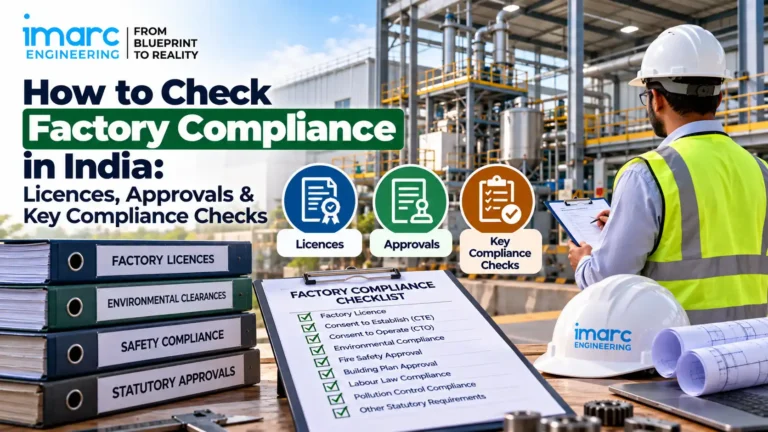
- Factory licence and fire safety compliance
- Machinery procurement and installation
- Raw material supplier agreements and supply chain setup
- Trial production and quality testing
- Commercial production launch
Licences and Regulatory Requirements
Starting a carpet manufacturing unit in India requires several approvals:
- Business registration (Proprietorship, LLP, or Pvt Ltd)
- Factory Licence under the Factories Act
- Environmental Clearance from State Pollution Control Board
- GST Registration
- Fire Safety NOC
- Occupational Health and Safety compliance
- Effluent Treatment Plant (ETP) operational clearance
Key Challenges to Consider
- High Capital Requirements: Machinery and infrastructure investments represent significant upfront costs.
- Raw Material Price Volatility: Fluctuations in prices of nylon, polyester, wool fibers, latex backing material, and dyes directly impact margins. Raw materials account for 65-75% of operating expenses.
- Regulatory Compliance: Navigating environmental clearances, factory licences, and pollution control board regulations requires careful planning.
- Competition: The market includes established global players such as Beaulieu International Group, Interface, Inc., Lowe‘s Companies, Inc., and Mannington Mills, Inc.
- Skilled Manpower: Access to skilled weavers, machine operators, and quality control personnel is essential.
- Technology Pressure: Continuous advancements in digital printing and automation require ongoing capital reinvestment to remain competitive.
Frequently Asked Questions
- How much does it cost to set up a carpet manufacturing plant in India?
The total capital investment depends on plant capacity, technology, and location, covering land acquisition, site preparation, infrastructure, and machinery costs. - Is carpet manufacturing profitable in India in 2026?
Yes, gross profit margins typically range between 30-40%, with net profit margins of 15-22%, indicating healthy profitability potential. - What machinery is required for a carpet plant in India?
Essential equipment includes spinning machines, weaving & tufting machines, dyeing machines, backing machines, and cutting equipment. - What licences and approvals are required to start a carpet plant in India?
Required approvals include business registration, Factory Licence under the Factories Act, Environmental Clearance from State Pollution Control Board, GST Registration, Fire Safety NOC, and ETP operational clearance. - What raw materials are needed for carpet manufacturing?
Raw materials required include nylon/polyester/wool fibers, backing material (latex), and dyes. - What are the environmental compliance requirements for a carpet plant in India?
Facilities must implement effluent treatment systems, obtain environmental clearance from the State Pollution Control Board, and comply with emission standards. - What is the best location to set up a carpet plant in India?
Ideal locations offer access to raw materials and target markets. Key carpet-producing hubs include the Bhadohi-Mirzapur belt in Uttar Pradesh and emerging centers like Banaras. - What is the break-even period for this type of plant in India?
Financial projections including break-even analysis are provided in detailed feasibility reports, with timelines varying based on capacity, utilization rates, and operating efficiencies. - What government incentives are available for manufacturers in India?
Investors benefit from the “Make in India” initiative, state-level industrial policies, and potential benefits under the Production Linked Incentive (PLI) scheme, depending on the specific sector.
Key Takeaways for Investors
Setting up a carpet manufacturing plant in India offers a compelling investment opportunity, driven by strong demand from residential, commercial, industrial, and automotive end-use sectors. The project demonstrates healthy financial viability across various plant capacities, with gross profit margins ranging between 30-40% and net margins of 15-22%. The global carpet market was valued at USD 67.2 Billion in 2025 and is expected to reach USD 88.9 Billion by 2034, exhibiting a CAGR of 3.17% from 2026 to 2034, reflecting sustained long-term demand for quality floor covering solutions. With ongoing urbanization, infrastructure growth, and sustainability trends, the carpet industry is poised for continued expansion, making now an opportune time for investors to enter this dynamic market.
About the Author