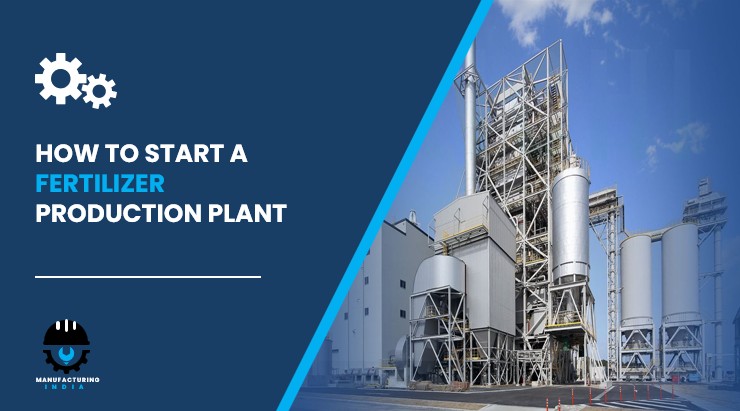
Setting up a fertilizer production plant in India represents a compelling investment opportunity underpinned by robust and structurally growing demand from the agriculture, horticulture, landscaping, and turf management sectors. The accelerating global shift toward precision agriculture, rising food security imperatives driven by population growth, and growing commercial adoption of specialty and bio-based fertilizers create multiple simultaneous demand growth drivers across farming and agri-input markets. Combined with strong government subsidy frameworks, proven chemical processing technologies, and expanding export market opportunities, fertilizer production presents a commercially attractive and scalable investment proposition for new entrants with efficient synthesis, processing, and quality management systems.
IMARC Group’s comprehensive DPR report, titled “Fertilizer Production Plant Project Report 2026: Industry Trends, Plant Setup, Machinery, Raw Materials, Investment Opportunities, Cost and Revenue,” provides a complete roadmap for setting up a fertilizer production unit. The fertilizer market is driven by increasing demand for enhanced crop yields, rising adoption of precision agriculture techniques, and growing government support for agricultural development programmes.
The global fertilizer market is on a sustained growth trajectory, driven by population growth, declining arable land per capita, and rising food production requirements across emerging and developed economies alike.
What is Fertilizer?
Fertilizers are natural or synthetic materials introduced to soil or plants to supply essential nutrients that encourage healthy growth and enhance crop production. They generally include important nutrients such as nitrogen (N), phosphorus (P), and potassium (K), which are crucial for plant development. Fertilizers assist in restoring soil fertility that may be diminished through ongoing agricultural practices and are available in various forms including solid granules, liquids, and powders, each designed for specific agricultural applications.
Key quality parameters for commercial fertilizer production include nutrient content and concentration levels, particle size distribution for granular products, moisture content, solubility characteristics for liquid formulations, and product purity and stability under storage and transportation conditions. Fertilizer plants are notable for their capital-intensive nature, complex chemical processing requirements, and critical role in supporting global food security objectives.
The Haber-Bosch process for nitrogen fixation, phosphate rock acidulation for phosphate fertilizers, and potash beneficiation for potassium fertilizers form the technological backbone of the global fertilizer industry, enabling large-scale, cost-efficient production of the essential plant nutrients that underpin modern agricultural productivity.
Cost of Setting Up a Fertilizer Production Plant
The total capital investment required to establish a fertilizer production plant is determined by several key parameters: annual production capacity (typically ranging from 50,000 to 500,000 metric tonnes per annum depending on project scale), the processing technologies adopted (nitrogen, phosphate, potassium, or NPK compound fertilizer production routes), the degree of automation across synthesis, granulation, drying, and packaging sections, facility specifications, raw material sourcing strategy, and applicable regulatory and environmental compliance requirements. Below is a structured breakdown of the major cost components.
1. Capital Expenditure (CapEx)
Total capital investment in a fertilizer production plant covers the following major heads:
Land and Site Development
This encompasses land acquisition or lease, site preparation, boundary development, and utilities connectivity. Site selection should prioritise proximity to raw material supply infrastructure including natural gas pipelines, phosphate rock mining areas, and port access for imported potash and sulphur; access to reliable and high-voltage power supply for energy-intensive synthesis and processing operations; road and rail infrastructure for raw material delivery and bulk finished product dispatch; availability of process water for chemical reactions, cooling systems, and utility operations; and a technically skilled workforce with chemical processing, instrumentation, and maintenance competencies. Compliance with industrial zoning regulations, environmental impact assessment requirements, pollution control board clearances, and hazardous chemical handling regulations must be assessed from project initiation.
Civil Works and Construction
Building costs cover the main processing facility including the raw material receiving and storage area, ammonia synthesis or phosphate processing section, granulation and prilling towers, drying and cooling area, blending and mixing zone, packaging and bagging unit, bulk storage silos and finished product warehousing, utility systems including steam generation, cooling water, compressed air, and electrical substations, quality control and analytical laboratory, administrative and control block, effluent treatment plant, and fire safety and emergency response infrastructure. Construction must comply with applicable factory regulations, Factories Act requirements, Pollution Control Board clearances, and hazardous chemical storage regulations, with particular attention to structural integrity for heavy process equipment, chemical resistance of surface finishes, drainage and bunding design, and safe distances between processing and storage zones.
Machinery and Equipment
Machinery represents the single largest CapEx component. Key equipment required for a fertilizer production plant includes:
- Ammonia Synthesis Reactors: High-pressure, high-temperature reactors utilising the Haber-Bosch process for nitrogen fixation from atmospheric nitrogen and hydrogen, operating at pressures of 150–300 atmospheres and temperatures of 400–500°C with iron-based catalysts for nitrogen fertilizer production.
- Granulators: Drum or pan granulators for agglomeration of fertilizer materials into uniform granules with controlled size distribution, moisture content, and nutrient concentration, essential for NPK compound fertilizer and urea granule production.
- Prilling Towers: Tall vertical towers for the production of prilled urea or ammonium nitrate by solidification of molten fertilizer droplets during free fall, producing uniform spherical granules with consistent size and density.
- Rotary Dryers and Coolers: Industrial rotary drum dryers for moisture reduction in granular fertilizer products to target levels for storage stability, followed by rotary coolers to reduce product temperature before packaging and bulk storage.
- Neutralisers and Reactors: Continuous or batch neutralisers for reaction of ammonia with phosphoric or sulphuric acid in ammonium phosphate and ammonium sulphate production, with precise pH control and heat recovery systems.
- Blending and Mixing Systems: Drum blenders, ribbon mixers, or continuous in-line blending systems for production of NPK compound fertilizers and customised nutrient blend products to specific agronomic formulations.
- Bagging and Packaging Machines: Automated bagging lines for 50 kg standard agricultural bags, bulk bag filling systems, and automated palletising and wrapping systems for finished product handling and dispatch.
- Storage Silos and Bulk Handling: Bulk storage silos for granular product, enclosed dome or flat-bottom warehouses for bulk product storage, and pneumatic or belt conveyor systems for product transfer and loading.
- Effluent Treatment System: Scrubbing systems for ammonia and acidic gas emissions, effluent treatment plant for process wastewater management, and dust collection systems for granulation and bagging operations.
- Quality Control Laboratory Equipment: Atomic absorption spectrometers, X-ray fluorescence analysers, Karl Fischer titrators, particle size analysers, dissolution testing equipment, and nutrient content analytical instruments for testing fertilizer grade, purity, and specification compliance.
Other Capital Costs
These include pre-operative expenses, commissioning and start-up charges, catalyst and initial chemical inventory for plant commissioning, regulatory compliance setup including Factory License, Pollution Control Board Consent to Establish and Consent to Operate, hazardous chemicals storage licences, food safety management system establishment costs for crop nutrition product claims, and staff training and competency development for chemical process operations, safety management, and quality control.
Request a Sample Report for In-Depth Market Insights: https://www.imarcgroup.com/fertilizer-manufacturing-plant-project-report/requestsample
2. Operational Expenditure (OpEx)
Raw materials principally natural gas (for nitrogen fertilizer production via ammonia synthesis), phosphate rock, sulphur, and potash constitute the dominant operating cost, typically representing 60–70% of total OpEx given their role as primary chemical inputs across all product lines. Energy costs, driven principally by electricity and fuel consumption for high-pressure synthesis reactors, steam generation, and mechanical processing equipment, account for 15–20% of OpEx. Labour, packaging materials, transportation, maintenance, quality control, depreciation, taxes, and overhead costs constitute the remainder of the operating cost base.
3. Plant Capacity
The proposed fertilizer production facility is designed with an annual production capacity ranging between 50,000 and 500,000 metric tonnes per annum, enabling economies of scale while maintaining operational flexibility. This capacity range supports a diversified product portfolio of urea and ammonium nitrate for nitrogen nutrition, single and triple superphosphate for phosphate nutrition, muriate of potash for potassium nutrition, and NPK compound fertilizers for balanced crop nutrition, serving both domestic agricultural markets and export channels.
4. Profit Margins and Financial Projections
The project demonstrates healthy profitability potential under normal operating conditions, with gross profit margins of 30–45% and net profit margins of 15–25% at efficient operational scale. Financial projections encompass capital investment, operating costs, capacity utilisation ramp-up schedule, product mix across nitrogen, phosphate, potassium, and compound fertilizer lines, and forward demand outlook underpinned by sustained global food production growth and expanding precision agriculture adoption. A comprehensive feasibility analysis includes sensitivity analysis, Net Present Value (NPV), Internal Rate of Return (IRR), and Payback Period calculations.
Why Set Up a Fertilizer Production Plant?
Growing Global Food Demand and Population Growth
The global population is projected to increase from 8 billion today to 9.8 billion by 2050 and 11.2 billion by 2100, creating an unprecedented and structural increase in global food production requirements. Fertilizers are the single most important productivity input in modern agriculture, responsible for an estimated 40–60% of global crop yields. The United Nations Food and Agriculture Organization (FAO) projects sustained growth in global cereal utilisation, with fertilizer demand growing in parallel to support the agricultural productivity gains required to feed a growing global population on a finite and declining base of arable land.
Strong Government Subsidy Support and Policy Frameworks
Governments across major agricultural economies provide substantial subsidy support for fertilizer access and affordability, creating a structurally supported demand environment for fertilizer producers. In India alone, total fertilizer subsidies increased from approximately INR 73,000 crore in 2013-14 to INR 2.55 lakh crore in 2023-24, reflecting the government’s sustained commitment to agricultural productivity and food security. Similar support frameworks exist across China, Brazil, the United States, and European markets, underwriting demand stability and market access for fertilizer producers and creating favourable investment conditions for new entrants.
Value Addition and Diversified Product Portfolio
Fertilizer production offers strong value addition from chemical conversion of basic raw materials natural gas, phosphate rock, potash, and sulphur into high-value agronomic inputs that command significant premium over their input cost basis. The ability to produce a diversified portfolio of nitrogen, phosphate, potassium, and compound NPK fertilizer products allows producers to serve different crop nutrition requirements across crop types, soil conditions, and agronomic systems, reducing exposure to single-product demand cycles and capturing value across different nutrient markets.
Expanding Precision Agriculture and Specialty Fertilizer Markets
The rapid expansion of precision agriculture technologies soil sensors, variable rate application, satellite monitoring, and data-driven crop management systems is creating growing demand for specialty fertilizers with controlled release characteristics, enhanced efficiency formulations, and customised nutrient ratios tailored to specific crop and soil requirements. The specialty fertilizer segment, including slow-release, stabilised, and biostimulant-enhanced products, commands significant price premiums over conventional fertilizers and represents a high-growth, high-margin segment for producers with advanced formulation and application technology capabilities.
Food Security and Strategic Infrastructure Status
Fertilizer production plants represent strategic national infrastructure in agricultural economies, with governments frequently according priority status to domestic fertilizer manufacturing investment in recognition of the food security, import substitution, and rural economic development benefits of domestic production capacity. This strategic importance translates into policy support through industrial licensing priority, infrastructure connectivity support, preferential utility tariffs, and in many markets direct financial incentives for new fertilizer plant construction. The ability to substitute for fertilizer imports reduces foreign exchange expenditure and insulates domestic agricultural sectors from global fertilizer price volatility.
Proven Processing Technology and Scalable Operations
Fertilizer production utilises established and commercially proven chemical engineering technologies the Haber-Bosch ammonia synthesis process, wet process phosphoric acid production, granulation, prilling, and blending supported by a well-developed global supplier base for fertilizer plant machinery and catalyst systems. Technology licensing from established process technology providers reduces technical risk for new entrants, and the modular nature of fertilizer plant designs allows investors to begin with a single fertilizer type and progressively expand production capacity and product range as market development and financial performance supports further investment.
Manufacturing Process Overview
The fertilizer production operation transforms raw chemical inputs into stable, nutrient-dense agricultural products through a sequence of synthesis, processing, granulation, and packaging operations. The key process stages are:
- Raw Material Receipt and Inspection: Raw materials including natural gas, phosphate rock, sulphur, potash, and ammonia are received from suppliers, inspected for quality and specification compliance, weighed and recorded, and stored in dedicated raw material storage areas with appropriate safety and containment measures.
- Synthesis and Chemical Reaction: Nitrogen fertilizers are produced through the Haber-Bosch ammonia synthesis process followed by conversion to urea or ammonium nitrate; phosphate fertilizers through acidulation of phosphate rock with sulphuric or nitric acid; potash fertilizers through beneficiation and processing of sylvinite ore.
- Neutralisation: Acid and ammonia streams are neutralised in continuous stirred tank or pipe reactors with precise pH control to produce ammonium phosphate, ammonium sulphate, or compound NPK slurries for granulation.
- Granulation: Fertilizer slurries or powders are fed to drum granulators, pan granulators, or fluid bed granulators where particles are built up by layering or agglomeration to produce uniform granules in the target size range of 2–5 mm for agricultural application.
- Drying: Granulated fertilizer is conveyed to rotary drum dryers operating at controlled temperature and airflow to reduce moisture content to target specification levels for storage stability, typically below 1–2% moisture for granular urea and ammonium nitrate.
- Cooling and Screening: Dried granules pass through rotary coolers to reduce product temperature to ambient levels, then through vibrating screens to classify product to specification size range, with oversize crushed and undersize recycled to the granulation circuit.
- Coating: Granular products may be coated with anti-caking agents, urease inhibitors, or controlled-release polymer coatings in drum coating units to improve storage properties, reduce nitrogen losses, and enhance agronomic performance.
- Quality Control: All intermediate and finished products are tested against specification for nutrient content, moisture, particle size, crushing strength, and bulk density before release for packaging and dispatch.
- Packaging and Labelling: Approved products are filled into standard 50 kg woven polypropylene bags or bulk bags on automated bagging and weighing lines, labelled with product specifications, lot numbers, nutrient analysis, and regulatory information.
- Storage and Dispatch: Finished products are transferred to enclosed warehouses or bulk storage silos with appropriate anti-caking and moisture control measures, pending dispatch by road, rail, or bulk vessel to domestic distributors or export terminals.
Key Applications of Fertilizer
The fertilizer production market serves several major end-use segments across agriculture and allied sectors:
- Cereal and Food Crop Production: Nitrogen, phosphate, and potassium fertilizers are used across wheat, rice, maize, soybean, and other staple cereal crop production systems to replenish soil nutrients removed by harvesting and support the yield levels required to meet global food production targets.
- Horticulture and Specialty Crops: Specialty fertilizers with precise nutrient ratios, water-soluble formulations, and micronutrient-enriched products serve high-value horticultural crop production including vegetables, fruits, flowers, and greenhouse crops with exacting nutrition management requirements.
- Plantation and Cash Crops: Fertilizers are applied across sugarcane, cotton, oilseed, and other commercial crop production systems to sustain yield and quality levels in intensively managed commercial farming operations.
- Turf and Landscaping: Controlled-release and slow-release fertilizer formulations serve professional turf management including golf courses, sports pitches, and landscaping applications requiring precise and sustained nutrient delivery without excessive leaching.
- Precision Agriculture Applications: Variable-rate fertilizer products, enhanced efficiency formulations, and precision nutrition blends serve technology-enabled farming operations using GPS-guided variable rate application equipment and data-driven crop management systems.
- Bio-based and Organic Fertilizers: Bio-fertilizers containing nitrogen-fixing bacteria, phosphate-solubilising organisms, and plant growth-promoting microbes serve the growing market for sustainable, biologically-based crop nutrition solutions in organic and regenerative agriculture.
Global Fertilizer Market Outlook
The global fertilizer market is on a sustained growth trajectory, driven by population growth, declining arable land per capita, rising food production requirements, and the expanding adoption of precision agriculture and specialty fertilizer technologies. The market benefits from multiple structural demand drivers across staple crop production, high-value horticulture, sustainable agriculture transition, and food security programme investment across developing economies.
The market benefits from the following structural growth drivers:
- Sustained global population growth and urbanisation driving unprecedented increases in food production requirements and agricultural input demand across emerging and developing economies
- Strong and growing government subsidy support for fertilizer access and affordability in major agricultural economies including India, China, Brazil, and Southeast Asian markets
- Rapid expansion of precision agriculture adoption creating demand for specialty, enhanced-efficiency, and customised fertilizer products with superior agronomic performance credentials
- Growing investment in bio-based and sustainable fertilizer alternatives including bio-fertilizers, organic-mineral blends, and slow-release formulations addressing environmental concerns and soil health objectives
- Increasing focus on nitrogen use efficiency and environmental compliance driving adoption of urease and nitrification inhibitor-enhanced fertilizer formulations
- Expanding greenhouse and controlled environment agriculture creating high-value demand for water-soluble, precision nutrition fertilizer products
- Rising food security investment in Sub-Saharan Africa, South Asia, and Southeast Asia creating new and growing fertilizer demand markets with significant under-fertilisation gaps
- Growing export market opportunities for Indian fertilizer producers serving agricultural markets across South Asia, Africa, and Southeast Asia
Major players in the global fertilizer industry include Yara International ASA, Nutrien Ltd., ICL Group Ltd., The Mosaic Company, CF Industries Holdings, Inc., and several large national fertilizer producers across India, China, and the Gulf region, serving end-use sectors including cereal crop production, horticulture, plantation crops, turf management, and precision agriculture.
Licences and Regulatory Requirements
Establishing a fertilizer production plant requires a range of approvals and certifications, which may vary by country and jurisdiction, including:
- Business registration and company incorporation under applicable company law and industrial licensing requirements
- Industrial Licence under the Industries (Development and Regulation) Act for large-scale fertilizer manufacturing applicable for certain fertilizer product categories in India
- Factory License under applicable state Factories Act provisions for chemical manufacturing operations
- Pollution Control Board Clearances Consent to Establish (CTE) and Consent to Operate (CTO) for chemical manufacturing operations generating gaseous emissions, process wastewater, and solid waste from fertilizer production
- Environmental Clearance under applicable Environmental Impact Assessment regulations for large-scale chemical and fertilizer production facilities
- Hazardous Chemicals Licences under the Manufacture, Storage and Import of Hazardous Chemical Rules for storage and handling of ammonia, acids, and other hazardous chemical inputs
- Explosives Licence under applicable explosives regulations for ammonium nitrate storage and handling where ammonium nitrate fertilizer products are produced
- ISO 9001:2015 Quality Management System Certification for quality management infrastructure compliance required by major institutional and government buyers
- Fertilizer Control Order (FCO) compliance in India mandatory registration for fertilizer products under the FCO governing product composition, labelling, and quality standards
- Bureau of Indian Standards (BIS) certification for applicable fertilizer products where BIS standards are mandatory
- Export-Import Code (IEC) registration for international market access and fertilizer product export sales
- Weights and Measures (Legal Metrology) registration for packaged fertilizer commodity labelling and net quantity declaration
Key Challenges to Consider
Raw Material Price Volatility and Supply Security
Fertilizer production costs are highly sensitive to raw material price movements, particularly natural gas prices for nitrogen fertilizer production, phosphate rock prices for phosphate fertilizers, and potash prices for potassium fertilizers. Natural gas typically constitutes 70–85% of the total production cost of ammonia and urea, making nitrogen fertilizer producers acutely vulnerable to energy price volatility. Securing long-term gas supply contracts at stable pricing, investment in energy efficiency, and where possible feedstock diversification to alternative hydrogen sources are important strategies for managing input cost risk in nitrogen fertilizer production.
Environmental Compliance and Emissions Management
Fertilizer production, particularly nitrogen fertilizer synthesis and phosphate processing, generates significant environmental impacts including greenhouse gas emissions from ammonia synthesis, nitrogen oxide and particulate emissions from granulation and drying operations, fluoride and sulphur dioxide emissions from phosphate rock acidulation, and process wastewater requiring treatment before discharge. Increasingly stringent environmental regulations across major markets require continuous investment in emissions control technology, effluent treatment, and environmental monitoring, adding to both capital and operating cost requirements. The growing international focus on carbon footprint reduction is creating additional pressure to invest in low-carbon production pathways.
Technology Licensing and Intellectual Property
The major fertilizer production processes Haber-Bosch ammonia synthesis, wet process phosphoric acid, and controlled-release coating technologies are generally available through technology licensing from established process technology providers. However, technology licensing fees, ongoing royalty obligations, and performance guarantees for licensed processes represent a material addition to project costs, particularly for first-time fertilizer plant investors. Selecting proven technology partners with demonstrated performance records, competitive licensing terms, and robust commissioning and technical support capabilities is a critical risk management priority for new fertilizer plant projects.
Capital Intensity and Project Execution Risk
Large-scale fertilizer plant construction is among the most capital-intensive industrial projects in the chemical processing sector, with greenfield grassroots projects requiring multi-billion dollar investment at commercial scale. Project cost overruns, construction delays, equipment procurement lead times, and commissioning challenges represent significant financial risks requiring experienced project management, rigorous EPC contractor selection, and conservative contingency provisions in financial planning. Phased project development approaches beginning with single-line or smaller-scale initial plants can reduce initial capital deployment risk while building operating experience and market presence before subsequent capacity expansions.
Competition from Established Producers and Import Markets
The global fertilizer industry is characterised by large-scale, cost-efficient producers with access to low-cost natural gas feedstocks in the Middle East, Russia, and North Africa whose exported products set competitive price benchmarks in international markets. New market entrants face competition from established producers with cost advantages, customer relationships, and market presence built over decades of operation. Differentiation through product quality, service, specialty product focus, and domestic market proximity advantages, combined with government protection policies and import tariff frameworks, are important competitive positioning strategies for new fertilizer plant investors.
Working Capital Requirements and Price Cycle Management
Fertilizer markets are characterised by significant seasonal demand patterns driven by agricultural planting cycles and periodic price cycles driven by supply-demand dynamics, energy price movements, and trade policy changes. Managing working capital requirements across the demand cycle, building inventory ahead of seasonal demand peaks, and maintaining financial resilience through periods of depressed fertilizer prices require conservative financial planning, adequate liquidity facilities, and disciplined inventory and receivables management. Establishing long-term supply agreements with institutional buyers and distribution partners can improve revenue predictability and reduce exposure to spot market price volatility.
Frequently Asked Questions (FAQs)
1. How much does it cost to set up a fertilizer production plant?
The total investment depends on plant capacity (50,000–500,000 MT per annum), the fertilizer type targeted (nitrogen, phosphate, potassium, or NPK compound), technology licensing approach, automation level, facility specifications, and location. Costs cover land, civil construction (processing sections, storage silos, utilities, quality control laboratory, administrative block), machinery (synthesis reactors, granulators, prilling towers, dryers, packaging), regulatory compliance, and working capital. A comprehensive feasibility study from IMARC Group provides detailed, capacity-specific cost estimates covering all CapEx and OpEx components.
2. Is fertilizer production a profitable business in 2026?
Yes. Rising food production requirements, strong government subsidy support, growing specialty and precision fertilizer demand, expanding export market opportunities, and gross profit margins of 30–45% and net profit margins of 15–25% at efficient operating scale make fertilizer production financially attractive. The strong and structural demand from the global agricultural sector provides a stable revenue base, and the value addition from converting raw chemical feedstocks into high-value agronomic inputs provides robust margin capture opportunities for well-managed production operations.
3. What machinery and equipment are required for a fertilizer production plant?
Key equipment includes ammonia synthesis reactors, granulators, prilling towers, rotary dryers and coolers, neutralisers, blending and mixing systems, automated bagging lines, storage silos and conveying systems, effluent treatment and gas scrubbing systems, dust collection equipment, and quality control laboratory instruments for nutrient content, particle size, moisture, and specification compliance testing.
4. What licences and approvals are required?
Required approvals include company registration, industrial licence for large-scale chemical manufacturing, Factory License, Pollution Control Board Consent to Establish and Consent to Operate, Environmental Clearance, hazardous chemicals licences, Fertilizer Control Order compliance in India, ISO 9001:2015 certification, BIS certification for applicable products, and Export-Import Code registration for international market access.
5. How long does it take to commission a fertilizer production plant?
Typically 24–48 months from project initiation to commercial production launch for a moderate-scale greenfield plant, depending on project scale, technology licensing timeline, facility construction, equipment procurement lead times, and regulatory approval timelines. Environmental and industrial licensing approvals should be initiated early. Smaller-scale blending and NPK mixing plants with less complex process requirements may achieve first production in 12–18 months. Catalyst procurement and pre-commissioning activities require careful scheduling to ensure timely plant start-up.
6. What are the key raw materials for fertilizer production?
Primary raw materials include natural gas or naphtha for ammonia synthesis in nitrogen fertilizer production, phosphate rock for phosphoric acid and phosphate fertilizer production, sulphur for sulphuric acid production used in phosphate processing, and muriate of potash or sylvinite for potassium fertilizer production. Supplementary inputs include packaging materials, process water, and utility fuel and power. Securing reliable, competitively priced long-term supply contracts for natural gas and phosphate rock, which together represent the largest share of input costs, is a critical commercial priority.
7. What is the break-even period for a fertilizer production plant?
The break-even period depends on capacity utilisation ramp-up trajectory, the product mix across nitrogen, phosphate, potassium, and compound fertilizer lines, raw material input price levels particularly natural gas, and product offtake arrangements with institutional buyers, distributors, and government procurement agencies. Securing long-term supply agreements with agricultural input distributors, state government procurement agencies, or fertilizer marketing cooperatives significantly improves revenue predictability and supports faster break-even achievement.
8. What are the main product grades of fertilizer and their applications?
Principal product categories include urea (46% N, the world’s most widely used nitrogen fertilizer), ammonium nitrate and ammonium sulphate, single superphosphate (SSP) and triple superphosphate (TSP) for phosphate nutrition, muriate of potash for potassium nutrition, di-ammonium phosphate (DAP) and mono-ammonium phosphate (MAP) as high-analysis compound fertilizers, and NPK compound fertilizers in various nutrient ratios for crop-specific nutrition management. Specialty segments include controlled-release urea, biostimulant-enhanced NPK products, and water-soluble fertigation-grade products.
9. What government incentives are available for fertilizer producers?
Producers may benefit from central government subsidy schemes including the New Investment Policy (NIP) for urea plants and nutrient-based subsidy (NBS) schemes for phosphate and potassium fertilizers, state-level industrial investment incentives including capital subsidy and electricity tariff concessions, export promotion benefits for specialty fertilizer exports, and infrastructure support under chemical park and petrochemical complex development schemes. Fertilizer plants meeting energy efficiency benchmarks may access additional incentives under national clean energy and energy transition programmes.
10. How does Indian fertilizer production compare to global alternatives?
Indian fertilizer production benefits from strong domestic market support through government subsidy frameworks, proximity to major consuming agricultural markets in South Asia and Southeast Asia, growing technical capabilities in urea and complex fertilizer production, and an expanding specialty fertilizer manufacturing base. Cost competitiveness relative to Middle Eastern, Russian, and Chinese producers varies by feedstock cost, energy efficiency, and product segment with Indian producers generally competitive in domestic and regional markets where freight cost advantages and import tariff frameworks support viable operating economics relative to imported products.
Key Takeaways for Investors
The fertilizer production industry represents a structurally well-positioned and financially attractive investment opportunity at the convergence of sustained global food production requirements, strong government agricultural support frameworks, accelerating precision agriculture adoption, and the expanding market for specialty and bio-based fertilizer products. Gross profit margins of 30–45% and net profit margins of 15–25% at efficient operating scale reflect the strong value addition potential from converting chemical raw material inputs into essential agronomic products that underpin global agricultural productivity.
The strategic importance of fertilizer production to national food security objectives creates a policy and regulatory environment generally supportive of domestic manufacturing investment, with established subsidy frameworks, industrial licensing priority, and infrastructure support mechanisms available to new plant investors. The availability of proven technology licences from established process technology providers reduces technical execution risk and provides a well-trodden pathway to commercial production for new market entrants.
The convergence of rising global food production requirements, growing government agricultural investment, rapid precision agriculture technology adoption, expanding specialty fertilizer demand, and increasing food security investment in high-growth agricultural markets across South Asia, Africa, and Southeast Asia creates multiple simultaneous demand growth channels across different product and geographic market segments. For investors seeking a commercially viable, technology-accessible chemical manufacturing opportunity with strong margin potential, diverse end-use markets, and structural alignment with global food security imperatives, fertilizer production represents a compelling and well-timed investment proposition.
About the Author