Setting up a soybean powder manufacturing plant in India presents a compelling investment case for entrepreneurs and institutional investors alike. The country’s food and beverage industry, nutraceuticals and dietary supplements sector, animal feed industry, pharmaceutical industry, and cosmetics and personal care market are all exhibiting robust demand for this versatile, protein-rich ingredient. As health consciousness rises and plant-based nutrition moves from niche to mainstream, soybean powder has emerged as a foundational input across multiple high-growth industries, making this a strategically timed manufacturing opportunity.
India’s structural advantages make it particularly well-positioned for soybean powder production. The country’s vast agricultural base ensures reliable access to cleaned soybeans, the primary raw material. Industrial corridors in Gujarat and Maharashtra, combined with the government’s Make in India initiative, offer investors streamlined regulatory pathways, competitive land and labour costs, and access to growing domestic consumption markets. As urbanisation accelerates and consumer incomes rise, the demand for functional foods, nutritional supplements, and plant-based animal feed is climbing steadily, reinforcing the long-term viability of this soybean powder manufacturing plant.
Establishing a soybean powder manufacturing plant in India combines strong policy support, cost-competitive production, and surging demand across food, nutraceuticals, animal feed, pharmaceuticals, and cosmetics. With gross profit margins ranging between 15-25% and a net profit potential of 5-10%, this investment demonstrates clear financial viability across a range of capacities, with break-even achievable within a reasonable operational horizon.
What is Soybean Powder?
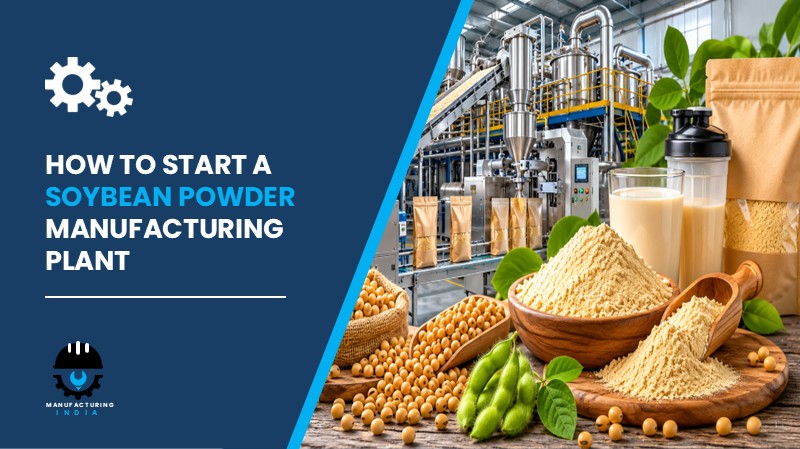
Soybean powder is a product derived from the highest quality soybeans subjected to meticulous cleaning and processing. It is widely recognised for its large protein content and its well-balanced amino acid profile, making it a preferred ingredient across numerous industries. The powder is very soft and light coloured, typically ranging from yellowish white to very light yellow, with a mild flavour that allows it to integrate easily into various food systems. It is a great source of important nutrients such as dietary fibre, minerals, and unsaturated fats.
From a functional standpoint, soybean powder possesses good water absorption, emulsification, and binding properties that are responsible for texture and stability in finished products. It is supplied in both defatted and full-fat forms depending on the end-use application. The primary production method is a multi-stage process involving cleaning and grading, dehulling, heat treatment (roasting or steaming), grinding and milling, sieving, and packaging.
The end-use industries served by soybean powder manufacturing include food and beverage, nutraceuticals and dietary supplements, animal feed, pharmaceuticals, and cosmetics and personal care.
Cost of Setting Up a Soybean Powder Manufacturing Plant in India
The total cost of establishing a soybean powder manufacturing plant depends on a combination of factors: production capacity, the technology and automation level chosen, geographic location, and regulatory compliance requirements. Investors should account for both capital expenditure (CapEx) and ongoing operational expenditure (OpEx) when building a financial model.
1. Capital Expenditure (CapEx)
Capital investment covers all one-time costs required to make the facility operational. Land and site development costs represent a substantial component, covering land registration charges, boundary development, and site-preparation works. Investors in India can consider locating the plant within a Special Economic Zone (SEZ) or an established industrial estate to benefit from tax incentives and pre-developed infrastructure.
Civil works and construction costs include the main production shed, quality control laboratory, raw material storage godowns, finished goods warehouse, and administrative block. The quality and scale of civil construction will vary with the capacity of the proposed unit.
Machinery and equipment represent the single largest portion of capital expenditure for this type of plant. Key machinery required includes:
- Cleaning and grading machines
- Dehulling equipment
- Roasters or steamers (for heat treatment)
- Hammer mills or pulverizers (for grinding and milling)
- Vibratory sieves
- Packaging machines
Other capital costs include effluent treatment plant (ETP) installation, pre-operative expenses, trial-run costs, and import duties on specialised equipment where applicable.
Request a Sample Report for In-Depth Market Insights: https://www.imarcgroup.com/soybean-powder-manufacturing-plant-project-report/requestsample
2. Operational Expenditure (OpEx)
Raw material cost is the dominant driver of the soybean powder plant’s operating cost structure, accounting for approximately 75-85% of total OpEx. The primary raw material is cleaned soybeans, supplemented by process aids. Negotiating long-term supply contracts with regional agricultural aggregators and processors is strongly recommended to mitigate procurement price volatility.
Utility costs, including electricity, water, and steam required for heat treatment, constitute approximately 8-15% of total OpEx. Steam generation for the roasting or steaming stage and power for mills and packaging lines are the primary utility drivers.
Other operating costs include transportation of raw materials and finished goods, packaging materials, salaries and wages for production and administrative staff, preventive maintenance, depreciation on fixed assets, and applicable taxes. By the fifth year of operations, the total operational cost is expected to increase substantially due to factors such as inflation, market fluctuations, and potential rises in the cost of key materials. Additional contributions to this increase include supply chain disruptions, rising consumer demand, and shifts in the global economy.
3. Plant Capacity
The proposed manufacturing facility is designed with an annual production capacity ranging between 20,000-30,000 metric tonnes per year, enabling economies of scale while maintaining operational flexibility. Capacity can be customised per investor requirements, and it is well established in feasibility planning that profitability improves significantly with higher capacity utilisation rates.
4. Profit Margins and Financial Projections
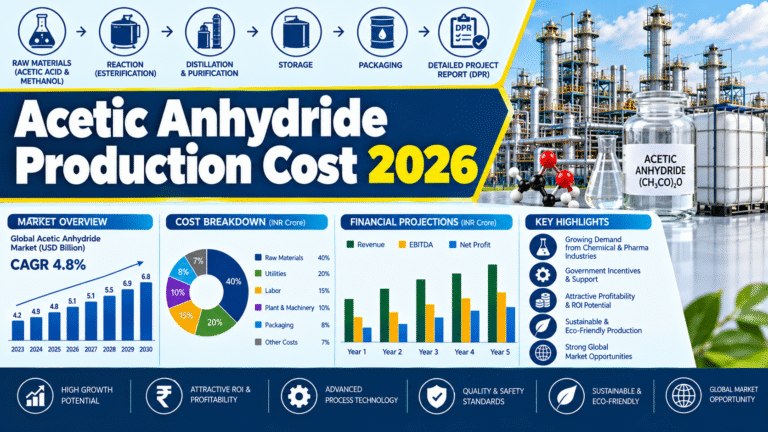
The soybean powder manufacturing plant demonstrates healthy profitability potential under normal operating conditions. Gross profit margins typically range between 15-25%, supported by stable demand and value-added applications across multiple industries. Net profit margins are projected in the range of 5-10%. Financial analysis for this type of plant encompasses net present value (NPV), internal rate of return (IRR), payback period, liquidity analysis, sensitivity analysis, and a full profit and loss account projection.
Why Set Up a Soybean Powder Plant in India?
Rising Demand for Plant-Based Protein: Soybean powder has emerged as a top-tier plant-derived nutritional ingredient because of its superior amino acid composition and competitive price point. The increasing demand for plant-based protein ingredients in food and nutrition applications across the globe is gaining momentum, and India’s growing health-conscious and aging population is contributing directly to this domestic demand expansion.
Growth of Vegan, Flexitarian, and Lactose-Intolerant Consumer Segments: The quick rise of flexitarian diets and lactose intolerant consumer segments is driving demand for soy-based alternatives in India. The Academy of Nutrition and Dietetics estimates that approximately 16-20 million adults in the United States alone adhere to vegetarian or vegan diets, a directional indicator of a broader global shift that is mirrored in Indian urban consumption patterns.
Expansion of Sports Nutrition and Functional Food Segments: The growth of sports nutrition and functional food segments is contributing materially to increased soybean powder consumption. These segments use the ingredient in protein powders, nutritional supplements, and functional foods aimed at promoting muscle health and metabolic wellness – categories growing rapidly in India’s tier-1 and tier-2 cities.
Cost-Competitive Manufacturing: India offers significant cost advantages in land, labour, and supply chain management relative to developed markets. Soybean farming occurs in various parts of India and the broader region, assuring a regular supply of raw materials and strengthening supply chain resilience. These structural advantages directly improve the soybean powder manufacturing plant’s cost competitiveness.
Active Industry Investment and Global Developments: The global soybean processing sector is attracting significant capital. In December 2025, Vietnam Agribusiness Limited – a partnership of Bunge Global SA and Wilmar International – inaugurated a new soybean crushing line in Ho Chi Minh City, investing more than USD 100 million and raising daily processing capability to 7,800 metric tonnes. In November 2023, Cargill completed a large-scale expansion and modernization project at its soybean processing plant in Sidney, Ohio, nearly doubling its raw soybean unloading capacity. These investments underscore the industry’s confidence in long-term soybean processing demand.
Local Supply Chain Preference: The animal husbandry, aquaculture, food processing, and nutraceutical sectors in India are increasingly prioritising domestic sourcing of soy-based feed and food ingredients, driven by supply security considerations and import cost pressures. A locally established soybean powder plant is well-positioned to capture this preference.
Manufacturing Process – Step by Step
The soybean powder manufacturing process uses cleaning and grading, dehulling, heat treatment, grinding and milling, sieving, and packaging as its primary sequence of unit operations.
- Cleaning and Grading: Raw soybeans are cleaned to remove impurities, dust, and foreign matter, then graded by size and quality to ensure consistent input to downstream processes.
- Dehulling: The outer hull of the soybean is removed using dehulling equipment to improve the protein concentration and digestibility of the final powder.
- Heat Treatment (Roasting or Steaming): Dehulled soybeans undergo heat treatment via roasters or steamers to deactivate anti-nutritional factors, improve flavour, and enhance the functional properties of the powder.
- Grinding and Milling: Heat-treated soybeans are processed through hammer mills or pulverizers to reduce particle size and achieve the desired powder fineness.
- Sieving: Vibratory sieves are used to ensure uniform particle size distribution, separating oversized particles for re-milling.
- Packaging and Dispatch: The finished soybean powder is measured, packaged using automated packaging machines, and dispatched to end-use industries including food and beverage, nutraceuticals, animal feed, pharmaceuticals, and cosmetics.
Key Applications
Soybean powder serves a wide array of industries owing to its nutritional density, functional versatility, and cost-effectiveness:
- Food and Beverage Industry: Used in foods, beverages, and nutritional products to enhance their nutritional profile and improve texture.
- Nutraceutical Industry: Found in protein powders, nutritional supplements, and functional foods aimed at promoting muscle health and metabolic wellness.
- Animal Feed Industry: Provided as a high-quality plant protein source for livestock and aquaculture in feed formulations.
- Pharmaceutical Industry: Used as an excipient and a nutritional supplement in curative and preventive formulations.
- Cosmetics Industry: Applied in skincare products due to conditioning and antioxidant properties.
Leading Manufacturers
The global soybean powder industry is served by several multinational companies with extensive production capacities and diverse application portfolios. Key players include:
- Glencore
- SLC Agrícola
- AG Processing Inc.
- Bunge Limited
- Cargill, Incorporated
- The Scoular Company
- Clarkson Grain Company
- COFCO Corporation
- Nordic Soya Oy
- Noble Group Limited
- Archer-Daniels-Midland Co
- Olam Agri Holdings Pte Ltd
- Willmar International Limited
Timeline to Start the Plant
- Feasibility study and project report preparation
- Land acquisition and site development
- Regulatory approvals and environmental clearances
- Factory licence and fire safety compliance
- Machinery procurement and installation
- Raw material supplier agreements and supply chain setup
- Trial production and quality testing
- Commercial production launch
Licences and Regulatory Requirements
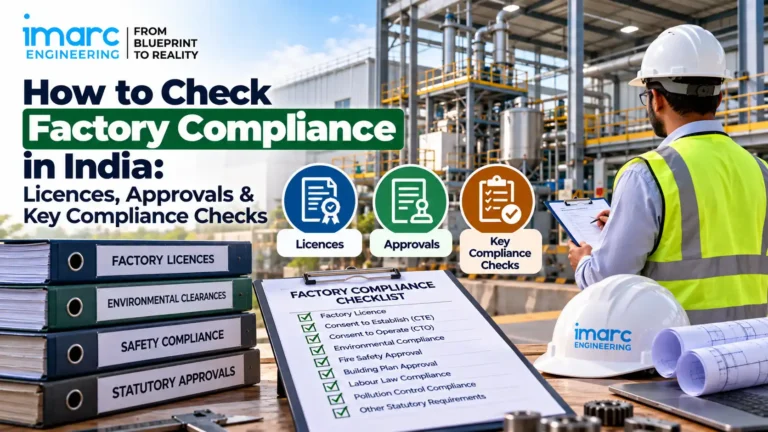
Starting a soybean powder manufacturing unit in India requires several approvals:
- Business registration (Proprietorship, LLP, or Pvt Ltd)
- Factory Licence under the Factories Act
- Environmental Clearance from State Pollution Control Board
- GST Registration
- Fire Safety NOC
- Effluent Treatment Plant (ETP) operational clearance
- Occupational Health and Safety compliance
Key Challenges to Consider
High Capital Requirements: The soybean powder manufacturing plant involves significant upfront investment in land and site development, civil works, and specialised machinery including cleaning and grading machines, dehulling equipment, and hammer mills, which can be a barrier for smaller investors without access to institutional financing.
Raw Material Price Volatility: Cleaned soybeans and process aids are subject to seasonal agricultural price cycles and global commodity fluctuations, which can compress margins if not managed through long-term procurement contracts and supplier diversification.
Regulatory Compliance: Meeting environmental clearance requirements, ETP standards, and factory safety regulations involves both cost and time, and non-compliance can result in operational disruptions or penalties.
Technology and Innovation Pressure: The production process relies on validated, scalable technology; however, improvements in grinding efficiency, heat treatment methods, and automation are ongoing in the global market and may require periodic capital reinvestment to remain competitive.
Competition from Global Players: The presence of multinational players such as Cargill, Incorporated, Bunge Limited, Archer-Daniels-Midland Co, and Wilmar International Limited means Indian producers must compete on quality, consistency, and pricing, especially in export-oriented segments.
Skilled Manpower: Operating cleaning and grading machines, dehulling equipment, roasters, hammer mills, and packaging machines requires trained technical staff, and sourcing and retaining this talent in non-metro industrial locations can be challenging.
Frequently Asked Questions
1. How much does it cost to set up a soybean powder manufacturing plant in India?
The total setup cost depends on plant capacity, technology, location, and automation level. Capital investment covers land and site development, civil construction, machinery (including cleaning and grading machines, dehulling equipment, roasters or steamers, hammer mills, vibratory sieves, and packaging machines), and other pre-operative costs. A detailed breakdown is available in the full project report.
2. Is soybean powder manufacturing profitable in India in 2026?
Yes. The soybean powder manufacturing plant demonstrates healthy profitability potential, with gross margins of 15-25% and net profit margins of 5-10% under normal operating conditions, supported by stable multi-industry demand.
3. What machinery is required for a soybean powder plant in India?
Key machinery includes cleaning and grading machines, dehulling equipment, roasters or steamers, hammer mills or pulverizers, vibratory sieves, and packaging machines.
4. What licences and approvals are required to start a soybean powder plant in India?
Key requirements include business registration, Factory Licence under the Factories Act, Environmental Clearance from the State Pollution Control Board, GST Registration, Fire Safety NOC, ETP operational clearance, and Occupational Health and Safety compliance.
5. What raw materials are needed for soybean powder manufacturing?
The primary raw materials are cleaned soybeans and process aids. Securing long-term contracts with reliable suppliers is recommended to stabilize pricing and ensure consistent supply.
6. What are the environmental compliance requirements for a soybean powder plant in India?
Operators must obtain Environmental Clearance from the State Pollution Control Board, install and operate an Effluent Treatment Plant (ETP), and comply with emission and waste management standards applicable to food processing units.
7. What is the best location to set up a soybean powder plant in India?
Locations with easy access to soybean-growing agricultural belts, reliable utilities, transportation infrastructure, and established industrial clusters – such as those in Gujarat, Maharashtra, and Madhya Pradesh – are strategically preferred. Setting up within an SEZ or industrial estate offers additional regulatory and tax advantages.
8. What is the break-even period for this type of plant in India?
The payback period depends on plant capacity, capital investment, pricing, and capacity utilisation. A detailed payback period and NPV analysis are provided in the comprehensive project report. Higher capacity utilisation accelerates the break-even timeline.
9. What government incentives are available for manufacturers in India?
The Make in India initiative, state-level industrial policies, SEZ benefits, PLI (Production Linked Incentive) schemes for food processing, and MSME support programmes offer a range of financial incentives, subsidies, and streamlined approvals for eligible manufacturing investors.
Key Takeaways for Investors
The soybean powder manufacturing plant in India represents a multi-dimensional opportunity, with end-use demand spanning the food and beverage, nutraceuticals and dietary supplements, animal feed, pharmaceutical, and cosmetics and personal care industries – providing significant revenue diversification. The facility is financially viable across a range of plant capacities, with gross margins of 15-25% and net profits of 5-10% supported by a raw material cost structure of 75-85% of OpEx that can be actively managed through supply chain strategy. The global soy flour market, valued at USD 4.04 billion in 2025, is projected to reach USD 6.71 billion by 2034 at a CAGR of 5.80% from 2026 to 2034, according to IMARC Group estimates, underlining the strength of the long-term demand trajectory. With plant-based nutrition, functional foods, and animal feed demand all structurally expanding, this soybean powder manufacturing plant is positioned to generate sustained returns well into the next decade.
About the Author